
Vandaag of morgen in huis

Kwaliteit gegarandeerd

Welkomstaanbiedingen ontgrendelen: GRATIS bezorging | Tot 80% korting | Gratis 30 dagen JoyPlus-proefperiode
Download de app
Dark spots, a dull complexion and uneven skin tone can make a dark-spot serum an appealing choice. However, not every brightening serum is the same. Attractive packaging or a promise of “glow” says little about the formula, how it feels to use or whether it is suitable for your skin.
As a Joybuy Product Recommendation Officer, I therefore focus primarily on verifiable information: the ingredients list, texture, size, directions for use and warnings on the product page. This helps you avoid buying a serum that is too strong, too small or simply inconvenient for your daily routine.
Words such as brightening, radiance and glow serum often describe the desired effect, but not how the formula is intended to support it. So check the INCI list. Common ingredients in a serum for hyperpigmentation include niacinamide, vitamin C derivatives, alpha-arbutin, tranexamic acid and hydrating ingredients such as glycerine or hyaluronic acid.
A brand claim is not a guarantee. A brand’s own research may, for example, suggest that a product can deliver visibly brighter-looking skin; that does not mean the same result is guaranteed for every user. First look at the actual formulation and use the product consistently as directed on the label.
A vitamin C serum, niacinamide serum and retinol serum can each have a different place in a skincare routine. However, if you introduce several new products at the same time, you will not know which one is causing a reaction. This can lead to unnecessary discomfort, particularly if you have sensitive or blemish-prone skin.
Start with one hydrating facial serum and test a small amount on a limited area of skin. According to the product warnings, products containing retinol, acids or vitamin C may increase sensitivity to sunlight. During the day, therefore, use a sun protection product and always follow the instructions on the packaging.
A 30 ml bottle is not automatically better value than a 50 or 100 ml version. Also consider the texture and dispensing system. A lightweight formula that absorbs quickly will often sit more comfortably under a moisturiser or sun cream than a richer formula.
Also check the expiry information and storage instructions. Some formulas containing vitamin C or retinol need extra protection from heat and direct sunlight. Keep the serum tightly closed and, when it arrives, read the latest product information on the label.
The ingredients list is generally ordered by quantity, but the presence of an ingredient does not tell you everything about its eventual effect. A product containing 2% alpha-arbutin, such as Beauty of Joseon Glow Deep Serum, provides more specific information than a formula that only mentions a “brightening complex”.
With vitamin C, it is important to distinguish between pure ascorbic acid and derivatives such as 3-O-ethyl ascorbic acid. Derivatives may feel more comfortable in some routines, but suitability varies from one skin type to another. Also look out for fragrance, essential oils and potential allergens if your skin reacts easily.
A gel or watery formula is often suitable for oily, combination or blemish-prone skin. A serum containing glycerine, panthenol, ceramides or squalane may be more appealing for dry skin or skin that feels tight.
“Suitable for all skin types” is a product description, not a personal guarantee. Check the ingredients and choose a simple routine if you have sensitive skin. Start with a small amount and stop using the product if you experience persistent redness, itching, swelling or a burning sensation.
A dark-spot serum is not a substitute for sun cream. Exposure to UV light can cause discolouration to remain more visible. For some of the products in this selection, including formulas with vitamin C, retinol or exfoliating ingredients, the product information explicitly recommends using sun protection.
Apply the serum after cleansing, usually after toner and before moisturiser. During the day, finish your routine with sun cream. Do not immediately combine several strong treatments if you do not yet know how your skin will react.
The choices below are based on the stated ingredients, volume, texture and directions for use. They are not a guarantee of a particular cosmetic result.
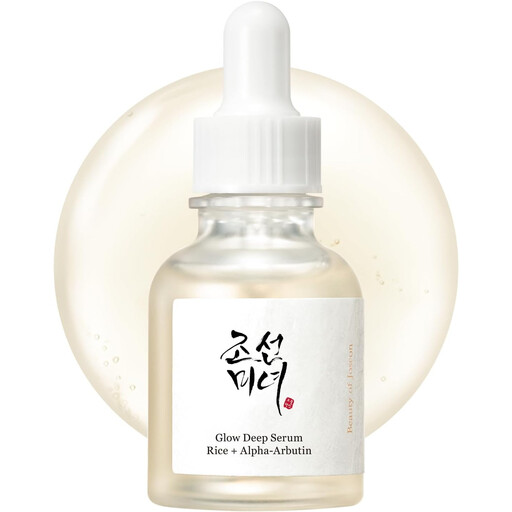
Why it suits this profile: The formula contains 68.6% rice bran water, 2% alpha-arbutin, niacinamide and panthenol. Its lightweight, hydrating texture is easy to incorporate into a daily routine.
The product information lists specific ingredients and clear directions for use, rather than making only a general glow promise.
30 ml; 2% alpha-arbutin; alcohol-free and fragrance-free according to the product details.
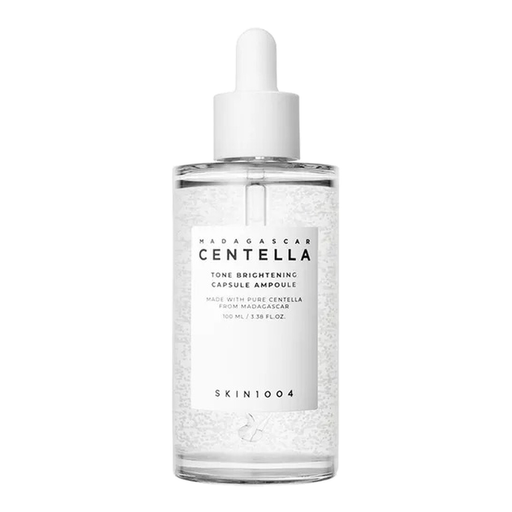
Why it suits this profile: The 100 ml volume is practical if you use serum regularly. The formula combines niacinamide, tranexamic acid, centella asiatica, panthenol and a vitamin C derivative.
The product page lists the full ingredients list, volume and warnings about skin reactions and sensitivity to sunlight.
100 ml; lightweight ampoule; contains centella asiatica, glycerine and panthenol.
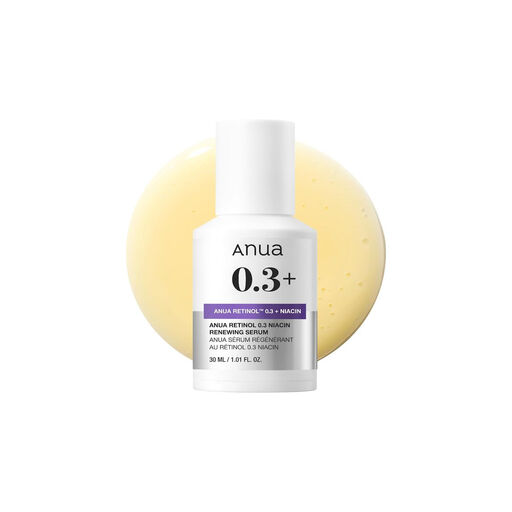
Why it suits this profile: This option is aimed at users who consciously want to add a retinol product to their evening routine and can follow the gradual introduction instructions.
The product information specifies 0.3% retinol, evening use, gradual introduction and daily use of sun cream.
30 ml; 0.3% retinol; contains niacinamide, ceramide NP and panthenol.
We have put together a complete, up-to-date list of products that fully meet these strict selection criteria and the applicable European safety regulations.
Look for a simple formula without fragrance or essential oils. Hydrating ingredients such as glycerine, panthenol and centella asiatica can work well in a gentle routine. Test a new product on a small area of skin first and stop using it if irritation occurs.
Shelf life varies from one product to another and is stated on the packaging. Store the serum as instructed, usually in a cool place away from direct sunlight. A change in scent, colour or texture may be a reason to stop using the product. Always follow the stated period after opening.
This can work in many routines, but do not introduce several new active products at the same time. Start gradually, monitor how your skin responds and use sun protection during the day. Extra care is needed with products containing retinol or acids; follow the specific directions on the label.
