
Vandaag of morgen in huis

Kwaliteit gegarandeerd

Welkomstaanbiedingen ontgrendelen: GRATIS bezorging | Tot 80% korting | Gratis 30 dagen JoyPlus-proefperiode
Download de app
A serum for dark spots can help to make an uneven skin tone less noticeable, but not every product suits every skin type. A high concentration of vitamin C, a flashy marketing story or a long list of ingredients says very little on its own about ease of use and skin tolerance.
If you're looking for a facial serum for dark spots, it's wise not to just look at words like "glow" or "brightening" on the packaging. The texture, active ingredients, frequency of use and warnings are just as important in determining whether a serum fits into your routine.
Vitamin C, retinol, azelaic acid and exfoliating ingredients can fit into a skincare routine, but some formulas can cause a tingling or dry feeling more quickly. This is especially relevant with a serum for sensitive skin or when you're already using several active products.
So pay attention to:
Terms like "laser effect", "intensive correction" and "reduce hyperpigmentation" are marketing claims. According to the product description from FILORGA, SKIN-UNIFY INTENSIVE is inspired by laser treatment, peels and medical strobing. That doesn't mean the product replaces a medical treatment or delivers the same result.
So look at verifiable information: volume, ingredients, usage advice, skin type and any product claims such as fragrance-free or vegan. A serum can help reduce the visibility of spots, but the result varies from person to person and depends on your skin condition.
A serum for an even complexion is not a substitute for a sun protection product. Daily exposure to UV radiation can contribute to an uneven skin tone. With certain active ingredients, such as retinol and some vitamin C formulas, the product information advises extra attention to sun protection.
Therefore, use a sun protection product during the day according to the label and avoid prolonged, direct exposure to the sun.
A vitamin C serum may contain ascorbic acid or a vitamin C derivative, such as 3-O-ethyl ascorbic acid, magnesium ascorbyl phosphate or ascorbyl glucoside. These are not the same ingredients and the formula may therefore feel different or require a different frequency of use.
Other commonly used options:
The order of ingredients gives an indication of the formula, but doesn't tell you everything about stability or skin tolerance.
A small bottle is handy for trying something out, but not always the best value per millilitre. Compare, for example:
Also check whether the product is intended for once or twice a day. A formula you only use a few times a week will last longer than a serum you apply daily.
A watery ampoule generally absorbs differently than a gel or oily formula. For sensitive skin, fragrance and essential oils can be points to watch. Also check the expiry date and batch information on the packaging. After opening, you should store the product as directed, usually away from heat and direct sunlight.
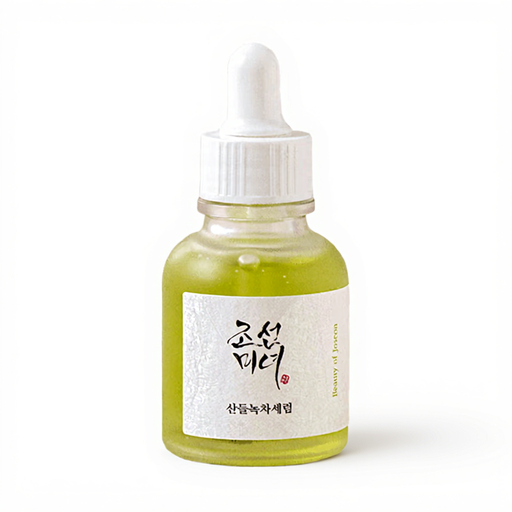
Why this fits the profile: A fragrance-free formula with 30 ml volume and a light texture is practical for anyone wanting to build a simple routine.
The product information does not list vitamin C, retinol or azelaic acid. This makes the formula more straightforward for beginners who want to avoid strong active ingredients.
50.9% green tea water, 5% panthenol, centella asiatica and a fragrance-free formula according to the product data.
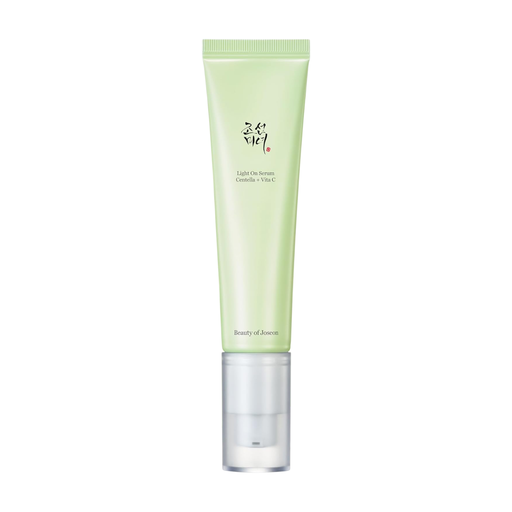
Why this fits the profile: Suits skincare enthusiasts looking for a brightening serum with vitamin C and hydrating ingredients.
The ingredients list specifically mentions 3-O-ethyl ascorbic acid, centella asiatica, glycerin and hyaluronic acid, rather than just a vague glow promise.
30 ml volume, light texture, centella asiatica and a vitamin C derivative according to the product description.
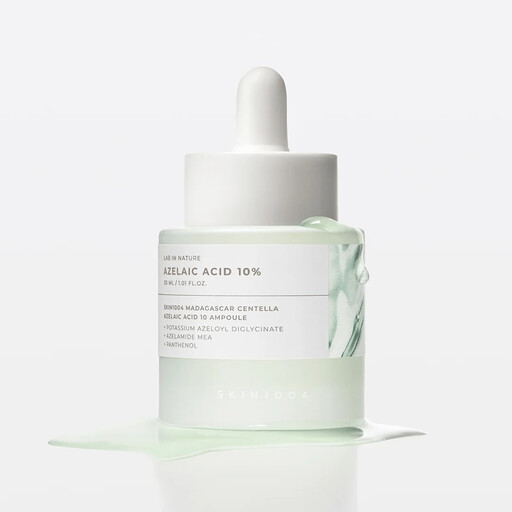
Why this fits the profile: Aimed at users who want to combine azelaic acid with centella asiatica and can follow a gradual build-up routine.
The product information states 10% azelaic acid and advises using it every other day to start. This makes the build-up clearer than with a product that gives no frequency advice.
Niacinamide-free formula, 10% azelaic acid, centella asiatica and 9 ml volume according to the product data.
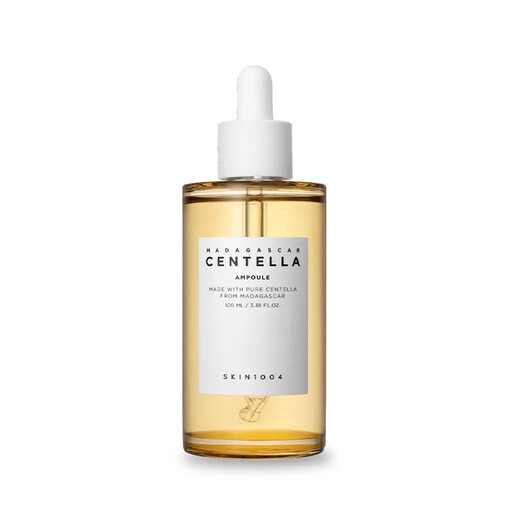
Why this fits the profile: A large size suits those who mainly want hydration and a soothing feel on the skin, and who use the serum regularly.
The product description focuses on 100% centella asiatica extract and leaves out a long list of strong brightening actives.
100 ml volume, 2 to 3 drops per application according to the usage advice and a simple formula focus.
We've put together a full, up-to-date list of products that fully meet these strict selection criteria and comply with current European safety regulations.
Start with a cleansed face and apply a small amount. Don't use several new active serums at the same time. Test a product on a small area of skin first and follow the instructions on the packaging.
A simple routine could look like this:
Stop if you experience persistent itching, swelling, a burning sensation or noticeable redness. If you have existing skin concerns or are unsure about active ingredients, ask a doctor or pharmacist for advice.
Usually not. Cosmetic serums are intended for regular use and it can take time to see a visible improvement in skin evenness. The outcome depends on factors including the cause of the spots, your skin type, the formula and your use of sun protection.
Look for a fragrance-free formula with a simple composition and avoid several strong active ingredients at once. Beauty of Joseon Calming Serum Green Tea + Panthenol states it is fragrance-free, alcohol-free and contains panthenol, among other things. Always check the current packaging and ingredients list.
That depends on the volume and dosage. A 9 ml bottle is suitable for trying it out or for targeted use; 30 ml is more practical for daily use. Follow the recommended amount and check the expiry date after opening on the packaging.
