
Vandaag of morgen in huis

Kwaliteit gegarandeerd

Welkomstaanbiedingen ontgrendelen: GRATIS bezorging | Tot 80% korting | Gratis 30 dagen JoyPlus-proefperiode
Download de app
Dark spots, an uneven complexion and a dull skin tone won’t disappear just because of a flashy label. So when you’re buying a serum for dark spots, it’s wise to look beyond words like “glow”, “brightening” or “intensive”. The formula, concentration, usage instructions and shelf life all determine whether a product fits into your routine.
A higher percentage of vitamin C, niacinamide or azelaic acid doesn’t automatically mean a serum is better suited to your skin. The form of the ingredient, the rest of the formula and how often you use it all matter too. For example, pure vitamin C can feel quite different from a stable vitamin C derivative like ascorbyl glucoside.
Combining a vitamin C serum with a niacinamide serum, azelaic acid serum, exfoliant and retinol can make your skin uncomfortable. Instead, start with one serum for an even skin tone and give your routine time. With products containing spicules, retinol or a higher acidity level, it’s especially important to build up gradually and with care.
A serum for dark spots is not a replacement for sunscreen. Exposure to UV radiation can affect how noticeable discolouration appears. Use a broad-spectrum sunscreen during the day and always follow the instructions on the packaging. If pigmentation persists or changes, it’s sensible to seek advice from a doctor or skincare professional; cosmetics are not a treatment for medical conditions.
Look at the ingredients list for the active substances that match your goal:
Pay attention to the difference between an ingredient listed on the packaging and proven personal results. Claims about visible improvement come from product information or the brand’s own research, not automatically from independent assessment.
A light, watery face serum is practical for oily or combination skin and can easily be applied under a moisturiser. An ampoule with more nourishing ingredients may feel more comfortable for dry skin. For sensitive skin, a patch test and a low starting frequency are advisable.
Also check whether a product contains fragrance, alcohol, oils or silicones if you want to avoid those substances in your routine. “Suitable for all skin types” is a product claim from the brand; your own skin’s reaction remains the deciding factor.
Don’t just compare the price – compare the volume too:
Generally, apply serum after cleansing and before a heavier moisturiser. Don’t use several new active products at the same time. If you experience stinging, burning, redness or swelling: stop using it and seek medical advice if necessary.
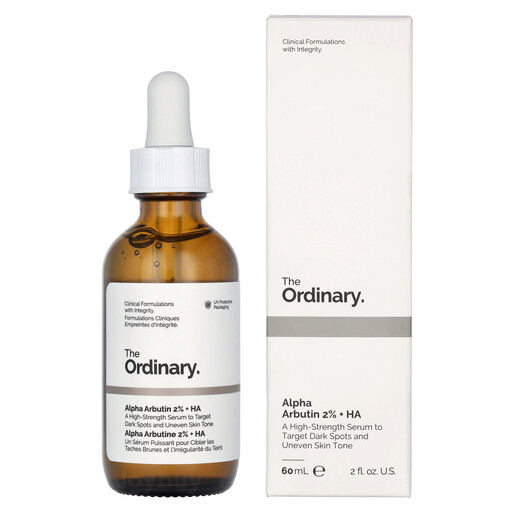
Why this fits the profile: The formula is straightforward and contains 60 ml, making it a practical starting point for anyone wanting to add alpha-arbutin without combining multiple active ingredients at once.
The product information mentions a targeted formula with 2% alpha-arbutin, rather than a long list of hard-to-compare claims.
2% alpha-arbutin, sodium hyaluronate and a lightweight formula; according to the product description, suitable for all skin types.
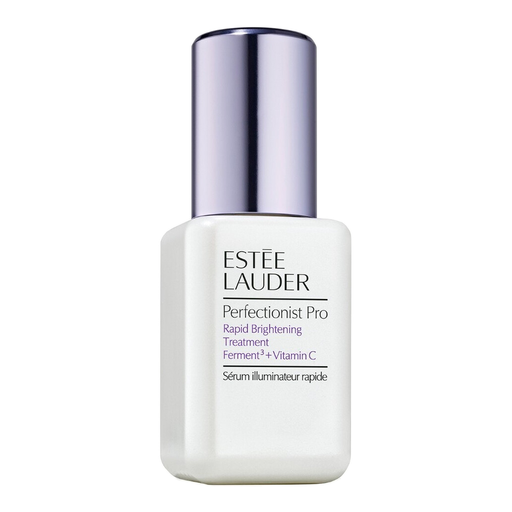
Why this fits the profile: This choice suits anyone looking for a serum that combines ferments, a vitamin C derivative and hyaluronic acid in one formula.
The product description specifies the combination of ferments, ascorbyl glucoside and hyaluronic acid, so you can compare the formula concretely.
30 ml, lightweight texture and hyaluronic acid; claims about visible results are according to Estée Lauder’s own product information.
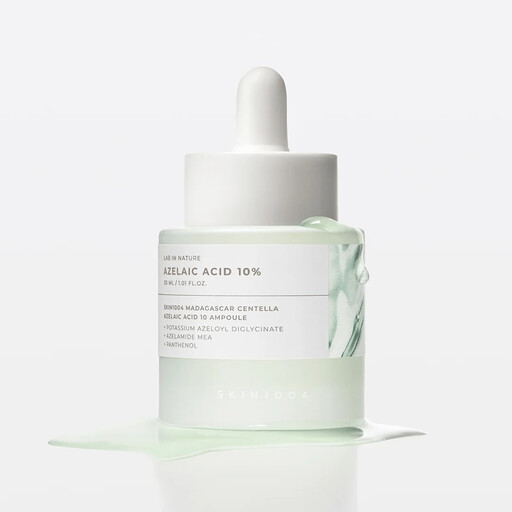
Why this fits the profile: The small packaging and clear instructions for gradual introduction suit users who want to carefully incorporate a targeted formula.
The instructions advise starting with every-other-day use and not applying to damaged or irritated skin.
10% azelaic acid, panthenol, allantoin and sodium hyaluronate; 9 ml for a contained introduction.
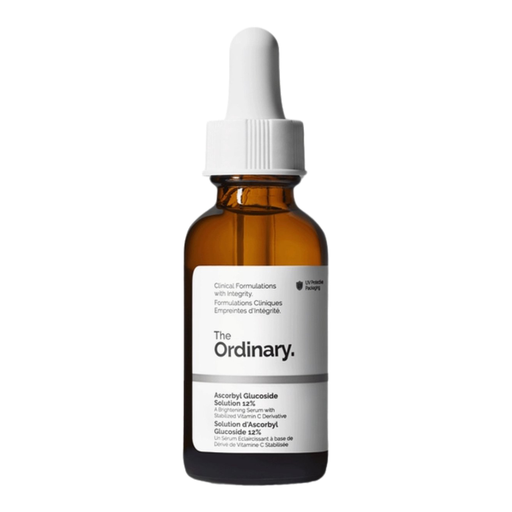
Why this fits the profile: A lightweight formula with 12% ascorbyl glucoside suits anyone looking for a brightening serum for morning or evening use.
The product information states the specific vitamin C form, 12% concentration and a fragrance-free, alcohol-free formula.
30 ml, water-based and according to the product data suitable for all skin types; patch testing is still recommended.
We’ve put together a full, up-to-date list of products that fully meet these strict selection criteria and comply with current European safety regulations.
A serum for hyperpigmentation mainly requires consistent use and realistic expectations. Stop if irritation occurs and don’t combine retinol, acids and spicules without a plan. Retinol products are also not suitable during pregnancy or breastfeeding, unless a healthcare professional advises otherwise.
Choose a formula with a limited number of active ingredients and a hydrating base. Alpha-arbutin with hyaluronic acid or a gentle vitamin C derivative can be a starting point. Test on a small area of skin first and follow the warnings on the packaging.
That depends on the volume, dosage and frequency. A 30 ml bottle typically lasts longer than a 9 ml ampoule when using a few drops per application. After opening, check the recommended usage period and store the serum as directed, often in a cool, dry place away from direct sunlight.
That can vary depending on the formula and skin type. For beginners, it’s wiser to introduce one product at a time. Preferably don’t use several highly active serums on the same evening and make sure to use extra sun protection during the day.
