
Vandaag of morgen in huis

Kwaliteit gegarandeerd

Welkomstaanbiedingen ontgrendelen: GRATIS bezorging | Tot 80% korting | Gratis 30 dagen JoyPlus-proefperiode
Download de app
Spots, blackheads, redness and a shiny T-zone don’t all call for the same product. Yet many serums are sold with broad promises like “smooth skin” or “pore refinement”, without making it clear which ingredients are responsible. If you rely only on the packaging, you could end up buying a serum that’s too strong, or combining several active formulas that leave your skin feeling uncomfortable.
That’s why you should choose a serum for blemish-prone skin based on your specific skin concern, the ingredients list and the usage instructions. Below are the key points to consider, along with some popular options from the range.
A product with 10% azelaic acid or niacinamide sounds targeted, but a higher concentration can be less comfortable for some users. A sensitive or compromised skin in particular may react with a tingling sensation, dryness or redness. With active ingredients, always start with a low frequency of use and follow the product instructions.
An exfoliating serum with AHA and BHA, an azelaic acid serum and a niacinamide serum can each have a different place in your routine. If you use several potent products on the same evening, it becomes harder to work out what’s causing irritation. First, choose one main product for your primary skin concern.
Terms like “minimise pores”, “treat acne” or “restore the skin barrier” shouldn’t be taken as guarantees. According to a brand’s own research or the product description, certain visible improvements may be mentioned, but results vary depending on your skin and how long you use it. A cosmetic serum does not replace treatment by a doctor or dermatologist.
A watery formula often feels pleasant on oily skin, while a hydrating lotion may suit dry or combination skin better. Look beyond the word “light”: ingredients like glycerine, panthenol, hyaluronic acid and ceramides give you more information about the moisturising properties.
Also pay attention to fragrances and essential oils. A fragrance-free formula can be a practical choice for sensitive skin, but “natural” doesn’t automatically mean a product is suitable for everyone.
Check the volume, such as 9 ml, 30 ml, 50 ml or 100 ml, and compare it with the recommended amount per use. A small ampoule size is handy for trying out a formula first. The expiry date, batch information and period after opening are stated on the packaging. Do not use a serum on irritated or damaged skin, and wear sun protection during the day if the usage instructions advise it.
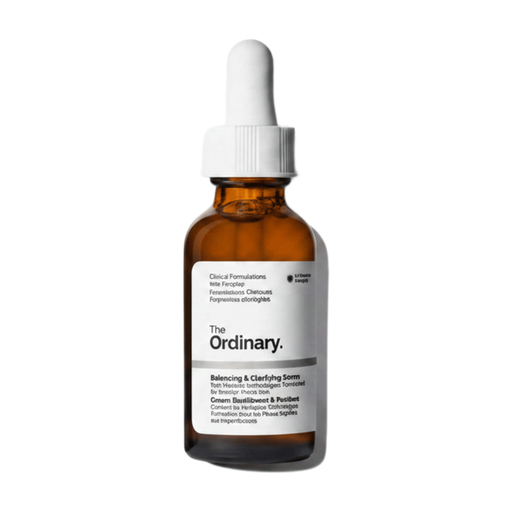
Why this fits the profile: A compact option for anyone wanting to try a serum for blemish-prone skin without buying several products at once. According to the product description, the formula targets shine, sebum and uneven skin texture.
The product information doesn’t mention a specific high concentration or daily exfoliation. This means you can adjust the frequency of use to suit your skin.
30 ml, vegan according to the product details and suitable for all skin types.
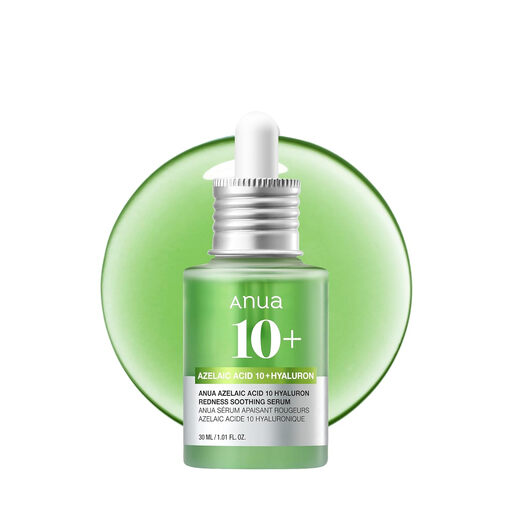
Why this fits the profile: For anyone wanting to tackle redness, an uneven complexion and blemishes in one routine. The ingredients list includes 10% azelaic acid, panthenol, glycerine, centella and ceramide NP.
The usage instructions advise starting with 1 to 2 drops, once or twice a week. This stops you from applying it too often straight away.
30 ml; contains azelaic acid, betaine salicylate, niacinamide, hyaluronic acid and centella.
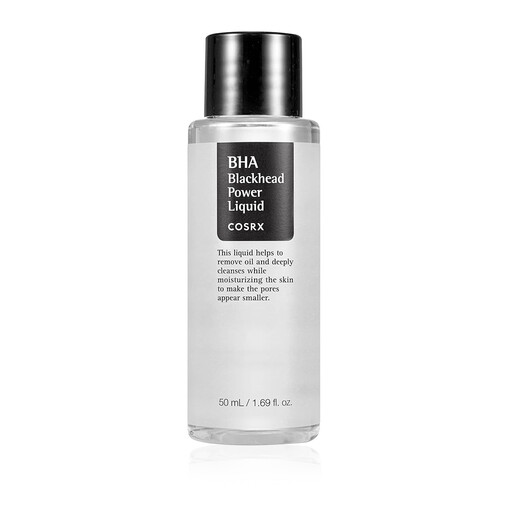
Why this fits the profile: Aimed at users who mainly struggle with blackheads and clogged pores, for example around the nose, chin and T-zone.
The product description gives a targeted application for problem areas. This means you don’t have to spread an exfoliant over your entire face automatically.
50 ml; contains salicylic acid as BHA and glycerine; suitable for a blackhead-focused routine.
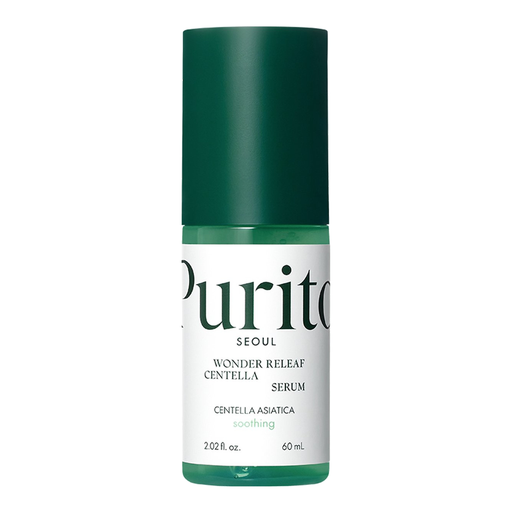
Why this fits the profile: A Korean skincare serum option for anyone who values hydration and a soothing routine over strong exfoliation.
According to the product information, the formula focuses on centella, niacinamide and hydration, without AHA or BHA exfoliation as a main feature.
60 ml; contains 34,685 ppm centella extract, niacinamide, panthenol and ceramide NP.
We’ve put together a full, up-to-date list of products that fully meet these strict selection criteria and comply with current European safety regulations.
Always test a new product on a small patch of skin first. With a Korean skincare serum, also check the current ingredients list on the packaging, as formulas can change.
A serum for clogged pores often contains BHA, such as salicylic acid. This ingredient is used in products like BHA Blackhead Power Liquid. Start with a limited frequency, especially if you don’t already use an exfoliant.
That depends on the formula. A hydrating centella serum can be used daily according to the packaging, while a serum with azelaic acid or AHA/BHA is often better built up slowly. Follow the instructions for the specific product and don’t combine too many active ingredients at once.
Check the symbol showing the period after opening, such as 6M or 12M, and the shelf life information on the packaging. Store the serum closed, in a cool place and out of direct sunlight. If the smell, colour or texture changes noticeably, stop using it.
