
Vandaag of morgen in huis

Kwaliteit gegarandeerd

Welkomstaanbiedingen ontgrendelen: GRATIS bezorging | Tot 80% korting | Gratis 30 dagen JoyPlus-proefperiode
Download de app
A serum for enlarged pores can help skin look smoother, less shiny or more even. However, you should not expect a permanent change in pore size: pores are part of the skin. Their visibility depends partly on sebum, moisture levels, skin texture and congestion.
When buying a pore-refining serum, you are most likely to encounter three common pitfalls:
For a serum for congested pores, salicylic acid or a similar exfoliating ingredient is often chosen. Salicylic acid may appear in product formulas under the name salicylic acid or as a derivative such as betaine salicylate. Always check the ingredients on the packaging, as formulas can change.
Niacinamide is a commonly used ingredient in a serum for oily skin. Product descriptions often associate it with a more even-looking complexion and a less shiny appearance. According to a brand’s own research, an ingredient may offer certain benefits, but that claim will not automatically apply in the same way to every user or skin type. If you are using a concentrated niacinamide serum, start gradually.
Other ingredients you may come across include panthenol, glycerine, hyaluronic acid and centella asiatica. These are mainly used in a hydrating facial serum or soothing formula. Hydration is relevant even for oily skin: a tight feeling can encourage you to apply too many products.
A watery essence or ampoule usually absorbs quickly and works well under a day cream and sun cream. A gel texture may suit combination or oily skin. A richer serum containing oils, silicones or shea butter may appeal to dry skin, but it will not feel comfortable for everyone.
Also consider the packaging. A pump limits contact with the formula; a dropper makes measuring easy, but requires careful closing and hygienic use. Check the volume too: 30 ml is common for a serum, while a 50 or 100 ml pack will last longer.
Test a new product on a small area of skin first. Stop using it if you experience redness, itching, swelling or a burning sensation. Do not apply a serum to damaged skin and avoid the eye area unless the packaging states otherwise.
A formula containing acids, retinol or micro-spicules requires extra care. Medicube, for example, states that products containing retinol may increase sensitivity to sunlight. With an exfoliating product, using sun protection during the day is a sensible precaution. Do not immediately combine several potent active products in one routine.
The selection below is based on verifiable information from the product descriptions, such as volume, listed ingredients, texture and stated skin type. Where relevant, performance claims are presented as information from the brand, not as guaranteed results.
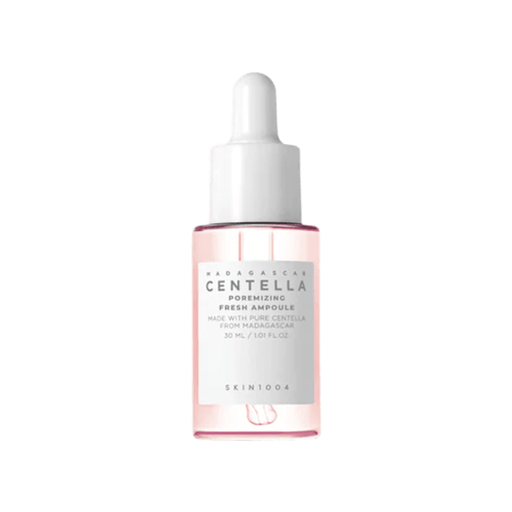
Why it suits this profile: The lightweight ampoule texture and 30 ml volume make this a straightforward choice for anyone wanting to try Korean skincare without immediately building a large routine. The product description mentions a combination of centella asiatica, mineral salts, hyaluronic acid and peptides.
The ingredients list is available, so you can compare the formula rather than relying solely on the term “pore-refining”. The description also states that it has a non-sticky texture.
30 ml, lightweight ampoule, centella asiatica, panthenol and several forms of hyaluronic acid according to the product information.
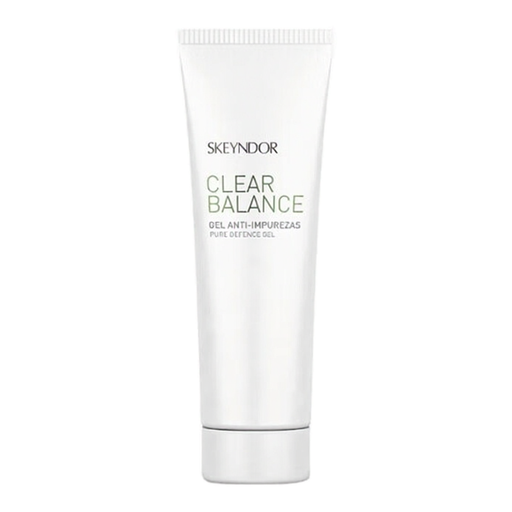
Why it suits this profile: According to the product information, this serum is intended for oily, blemish-prone skin and has an oil-free, fast-absorbing texture. This makes it suitable for users looking for a matte finish and simple layering under a moisturiser.
The product description specifies the skin type, volume and texture. This allows you to decide in advance whether an oil-free formula fits into your daily routine.
50 ml, oil-free texture and designed for oily or blemish-prone skin according to the product listing.
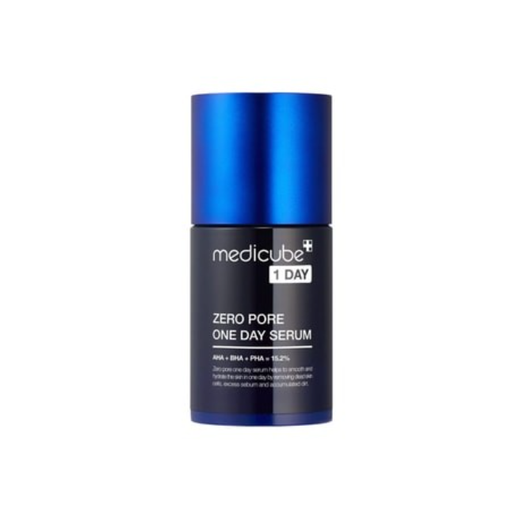
Why it suits this profile: The product description mentions a combination of AHA, BHA, PHA and niacinamide, totalling 15.2%. This is a targeted choice for users who want to focus on exfoliation and can build their routine carefully.
Its potent formula is clearly stated. This means you can introduce it gradually and avoid combining it immediately with other exfoliants.
AHA, BHA, PHA and niacinamide according to the product description; suitable for a targeted exfoliating routine.
We have put together a complete, up-to-date list of products that fully meet these strict selection criteria and the applicable European safety regulations.
A serum for acne is not a substitute for treatment from a doctor. If you have persistent, painful or severe acne, seeking professional advice is wiser than continuing to add more products.
No. A serum may make pores look temporarily or gradually less noticeable by affecting skin texture, sebum or hydration. It does not permanently change the anatomical size of pores.
Follow the instructions on the packaging. If you have sensitive skin, it is practical to start once or twice a week. Increase use only if your skin tolerates the product well, and do not immediately combine it with several exfoliants.
It can be. Ingredients such as glycerine, panthenol and hyaluronic acid are often used to provide hydration without leaving skin feeling heavy. Check the texture and ingredients list, as “for oily skin” does not automatically mean that the serum will feel lightweight or non-sticky for everyone.
