
Vandaag of morgen in huis

Kwaliteit gegarandeerd

Welkomstaanbiedingen ontgrendelen: GRATIS bezorging | Tot 80% korting | Gratis 30 dagen JoyPlus-proefperiode
Download de app
Dark spots, acne marks and an uneven complexion do not disappear simply because a product comes in attractive packaging. When buying a serum for dark spots, it is therefore worth looking beyond words such as “glow”, “intensive” or “fast results”. The formula, concentration, directions for use and shelf life determine whether a product suits your skin and routine.
A serum containing lots of active ingredients may seem appealing, but multiple actives can also mean that your skin has more to process. Pay particular attention to which active ingredients appear near the top of the ingredients list and whether the formula suits your skin type.
Common ingredients in a serum for pigmentation include:
According to a brand’s own research, certain ingredients may contribute to brighter-looking skin or less visible pigmentation. Such statements are brand claims and are not a guarantee that every user will achieve the same results.
A vitamin C serum containing 23% ascorbic acid or a niacinamide serum with 15% may appeal to experienced users, but it is not necessarily suitable for sensitive skin. A high concentration can increase the likelihood of stinging, redness or a tight feeling.
Ideally, introduce one new active product at a time. This makes it easier to see how your skin reacts and prevents you from introducing several possible causes of irritation at once.
A serum for hyperpigmentation is not a substitute for sun protection. UV radiation can contribute to existing dark spots becoming darker. During the day, therefore, use a broad-spectrum sunscreen according to the directions on the label. If pigmentation persists or changes, it is sensible to seek advice from a doctor or dermatologist.
Do not compare only the front of the packaging. Check the full ingredients list and look for the active ingredient that matters to you. For example, a 2% alpha-arbutin serum is easier to compare clearly than a product labelled only “brightening complex”.
A tranexamic acid serum may be an option if you are specifically looking for a formula containing tranexamic acid. Some products combine it with niacinamide, vitamin C derivatives or alpha-arbutin. This can be practical, but test the formula carefully on a small area of skin.
A lightweight, watery texture is often a good fit for oily or combination skin and can be applied easily under a moisturiser. A richer formula containing glycerine, oils or ceramides may feel more comfortable on dry skin.
If your skin reacts easily, pay particular attention to:
“Suitable for all skin types” is a product description, not a personal guarantee. Always check the label of the product you receive, as ingredients or packaging information may change.
Vitamin C products can be sensitive to light, heat and air. A product such as Vitamin C23, for example, provides specific storage advice and a recommended period of use after opening. Follow the packaging instructions, close the bottle securely and watch for changes in colour, smell or texture.
A larger size is not always better value if you will not use the serum within the recommended period. So check the millilitres, frequency of use and shelf life after opening.
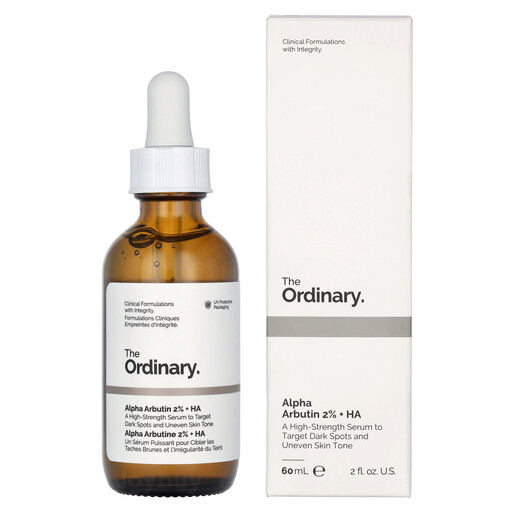
Why it suits this profile: A straightforward formula with 2% alpha-arbutin and hyaluronic acid, in a 60 ml size. This makes the serum easy to incorporate into a basic routine.
The product information clearly states the alpha-arbutin concentration and water-based formula, rather than relying solely on a vague glow promise.
2% alpha-arbutin, hyaluronic acid, 60 ml and a lightweight serum texture.
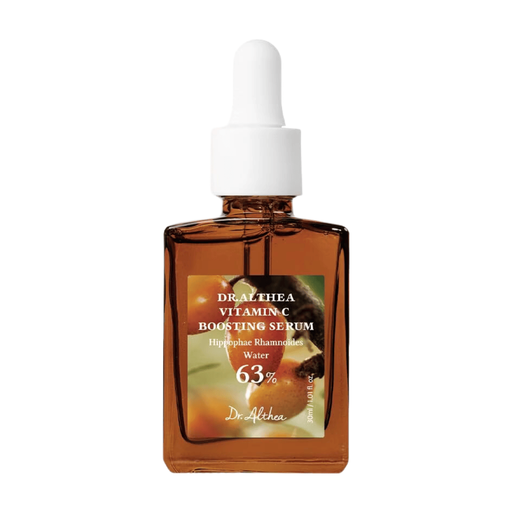
Why it suits this profile: For those looking for several supporting ingredients in one Korean skincare serum, including niacinamide, tranexamic acid, alpha-arbutin and vitamin C derivatives.
The full ingredients list is available, allowing you to check the combinations rather than relying solely on the term “vitamin C”.
30 ml, a lightweight texture and a formula containing niacinamide, tranexamic acid and vitamin C derivatives.
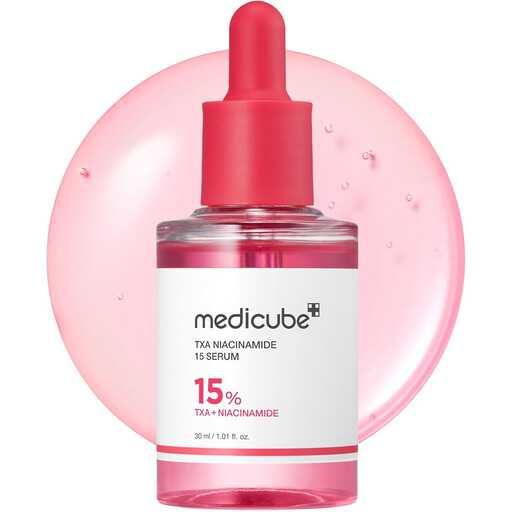
Why it suits this profile: Designed for users specifically looking for a combination of 15% niacinamide and tranexamic acid in a compact 30 ml bottle.
The percentages are included in the product name, so you can compare the formula at a glance. A patch test is still advisable with a high concentration.
15% niacinamide, tranexamic acid and a lightweight formula.
We have compiled a complete, up-to-date list of products that fully meet these strict selection criteria and the applicable European safety regulations.
Apply a few drops to cleansed skin, usually before moisturiser. Follow the brand’s directions. Use sun protection during the day. Do not immediately combine several strong active formulas; introduce new products one at a time.
This depends on the size, dosage and recommended shelf life after opening. A 30 ml bottle will generally last less time with daily use than a 50 or 60 ml bottle. Check the open-jar symbol, expiry date and storage advice on the packaging.
The price depends on the brand, size, ingredients and concentration. Therefore, compare the price per millilitre as well as the formula. A cheaper serum with one clearly identified active ingredient may be more practical than an expensive product with many unspecified claims.
