
Vandaag of morgen in huis

Kwaliteit gegarandeerd

Welkomstaanbiedingen ontgrendelen: GRATIS bezorging | Tot 80% korting | Gratis 30 dagen JoyPlus-proefperiode
Download de app
Dark spots, post-acne marks and dull skin can have a range of causes. A serum for dark spots can help you target your skincare routine more effectively, but not every product suits every skin type. A high concentration or a bold claim alone tells you little about how easy a product is to use, how well your skin will tolerate it or whether it’s right for you.
Pay particular attention to the ingredients list, directions for use and warnings. Below, you’ll find out about common pitfalls, which specifications matter and which popular options suit different types of users.
Words such as “instant”, “permanent” or “removes all spots” don’t guarantee a particular result for your skin. Pigmentation can be caused by sunlight, age, hormonal changes or marks left behind after blemishes. Everyone’s skin responds differently to a serum.
Brand claims should therefore be read as product information, not as a guaranteed result. For example, NIVEA reports results from a user test with volunteers and market research; this doesn’t mean every user will see the same change. Origins’ results are also based on the brand’s own research and test panel.
Combining a vitamin C serum, niacinamide serum, exfoliant and retinol product may seem appealing, but it can put unnecessary strain on your skin. AHA products, acids and heavily fragranced formulas in particular should be introduced with care.
Start with one serum for hyperpigmentation. If you have sensitive skin, use it a few times a week to begin with and always follow the instructions on the packaging. Stop using it if irritation persists, and ask a doctor or skincare professional for advice if needed.
A brightening face serum is not a substitute for sun cream. UV rays can make existing discolouration more noticeable and contribute to new dark spots. Daily sun protection is especially important when using products containing AHA, vitamin C, kojic acid or other brightening ingredients. During the day, choose a product with a suitable SPF and limit prolonged exposure to the sun.
A serum for a more even-looking complexion can contain a range of ingredients:
Don’t focus on just one popular ingredient. The full ingredients list, texture and frequency of use are just as important.
If you have dry skin, a serum containing glycerine, hyaluronic acid or squalane, or one with a richer texture, may feel more comfortable. Oily or combination skin may prefer a lightweight gel. If your skin is sensitive, look for a fragrance-free formula and a short, straightforward ingredients list.
Please note: “dermatologically tested”, “hypoallergenic” or “suitable for sensitive skin” doesn’t mean irritation is impossible. These claims describe product testing or the brand’s positioning, but your skin may react differently.
Most of the serums selected contain 30 ml. This is a standard size, but how long it lasts depends on how many drops you use and how often you apply it. A pump bottle limits contact with the formula; if you use a pipette, it’s important to keep it clean. Don’t touch your skin with the pipette, and close the packaging straight after use.
Store the serum according to the instructions on the packaging, away from heat and direct sunlight. Also check the expiry information and the symbol showing how long the product can be used after opening.
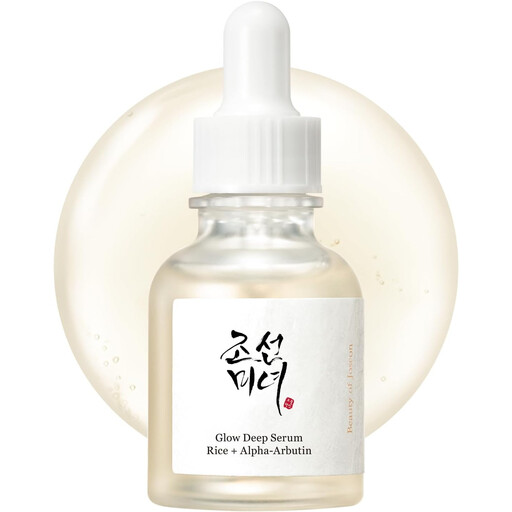
Why it suits this profile: A lightweight, hydrating formula with 68,6% rice bran water, 2% alpha arbutin and niacinamide. According to the product information, the formula is alcohol- and fragrance-free, making it a straightforward option for a daily routine.
The ingredients and concentration of alpha arbutin are clearly stated, so you don’t have to rely on the word “brightening” alone.
30 ml, vegan according to the product information, fragrance-free and designed to hydrate and promote a more even-looking complexion.
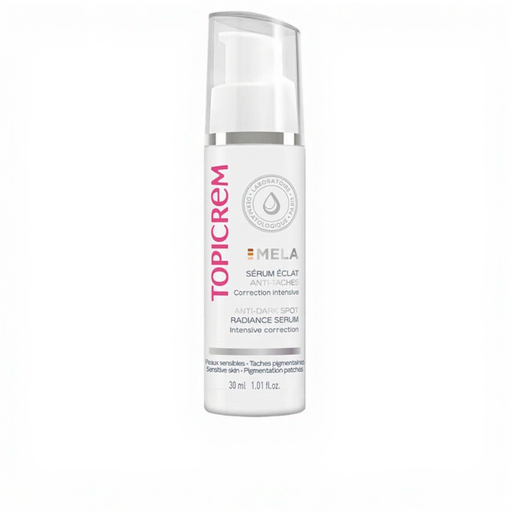
Why it suits this profile: According to the product information, this serum is intended for sensitive skin and contains ingredients including niacinamide, gluconolactone, squalane and a vitamin C derivative.
The product description mentions use for different types of dark spots, but doesn’t promise a universal result. This makes it easier to compare the product in terms of skin type and tolerance.
30 ml, suitable for morning and evening use when following the instructions, with dermatological and ophthalmological testing noted.
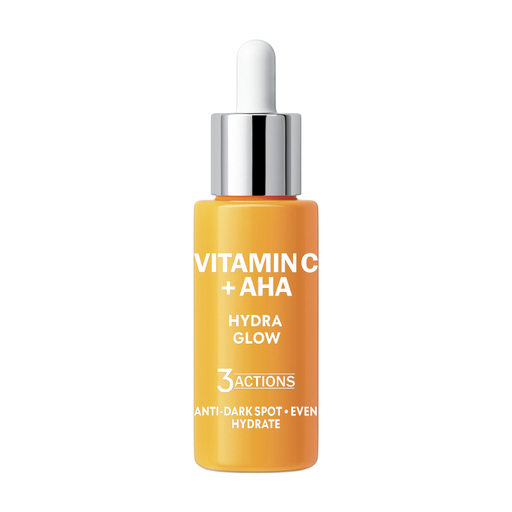
Why it suits this profile: This formula combines niacinamide, a vitamin C derivative and lactic acid, an AHA. It may suit users who want to address skin texture and hydration as well as dark spots.
The product information warns that AHA can increase sun sensitivity. This makes it clear that using SPF and introducing the product gradually should be part of your routine.
40 ml, a lightweight, non-greasy texture according to the product description, and a combination of AHA, niacinamide and a vitamin C derivative.
We’ve put together a complete, up-to-date list of products that meet these strict selection criteria and the applicable European safety regulations.
First, cleanse your face, then apply a few drops of serum. Follow with a moisturiser. Sun protection should be part of your daytime routine. Introduce one new product at a time, especially if you have sensitive skin.
A 30 ml bottle may last from a few weeks to several months with daily use. This depends on how much you apply each time, how often you use it and whether you apply the serum to your face, neck and décolletage. Check the recommended amount on the packaging.
It may be suitable, but this depends on the ingredients and formula. If you’re sensitive to fragrance, choose a fragrance-free product if possible, avoid using several acids at once and do a patch test first. Stop using the product if you experience redness, itching or a burning sensation.
