
Vandaag of morgen in huis

Kwaliteit gegarandeerd

Welkomstaanbiedingen ontgrendelen: GRATIS bezorging | Tot 80% korting | Gratis 30 dagen JoyPlus-proefperiode
Download de app
Dark spots, pigmentation and acne marks can develop for various reasons. If you are looking for a serum for dark spots, you will soon come across terms such as “glow”, “brightening” and “anti-ageing”. However, an eye-catching claim says little about whether a product is suitable for your skin. The ingredients list, concentration, packaging and directions for use provide more useful guidance.
A serum containing lots of plant extracts, vitamins and nourishing ingredients may seem appealing. However, the number of ingredients does not automatically indicate how well a product works. Pay particular attention to which active ingredients appear high up on the list and whether the formula suits your skin type.
A serum for hyperpigmentation may contain ingredients such as niacinamide, vitamin C, tranexamic acid and alpha-arbutin. Each of these ingredients has a different role within a skincare routine. A niacinamide serum, for example, may be worth considering for an uneven complexion and oilier skin, while a vitamin C formula is often chosen to revive a dull-looking complexion.
More is not automatically better. A formula containing 23% ascorbic acid, such as Vitamin C23 Anti aging serum, requires more care when introducing and storing it than a milder vitamin C derivative. According to the product information, a patch test may be recommended and the serum should be stored in the refrigerator.
A formula containing AHA, such as OLAY Vitamin C Serum AHA + 99% Pure Niacinamide, can also make the skin more sensitive to sunlight. The product description recommends using sun protection daily. If you have sensitive skin, it is sensible not to introduce several strong active products at the same time.
A brightening face serum can form part of a skincare routine, but it is not a substitute for sun cream. Exposure to UV rays can cause discolouration to remain more visible. During the day, therefore, use a sun protection product with a suitable UV protection level and always follow the instructions on the packaging.
Look at the full ingredients list rather than just the front of the packaging.
A watery, fast-absorbing formula often suits combination or oily skin and can be applied easily under a moisturiser. A richer serum containing squalane, shea butter or oils may feel more comfortable on dry skin. Also check for fragrance and essential oils if your skin tends to react to them.
A product described in the specifications as suitable for all skin types is still no guarantee that everyone will tolerate it without problems. If in doubt, test it on a small area of skin first.
Vitamin C can be sensitive to light, air and heat. Check the storage instructions and the shelf life after opening. A small 7 ml container, such as FILORGA SKIN-UNIFY INTENSIVE, can be useful if you are trying a product for the first time, but contains less for long-term daily use.
Also check that the product information on the website matches the label on the product you receive. The formula and directions for use may vary by market or product batch.
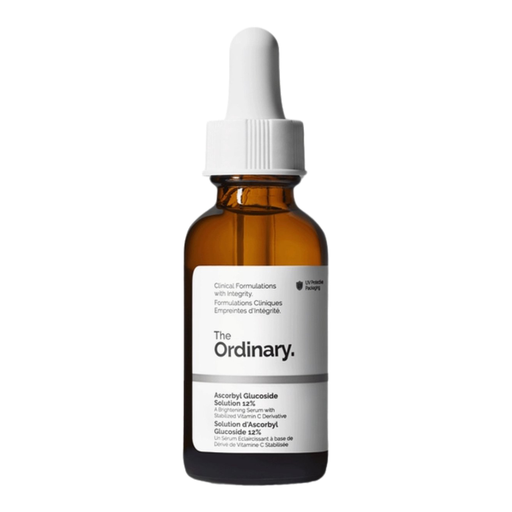
Why it suits this profile: A water-based formula with a 30 ml size is practical if you want to add a simple brightening serum without combining several active products at once.
The product description clearly states that it contains 12% stabilised vitamin C derivative and is fragrance-free. This makes the formula easier to assess.
12% ascorbyl glucoside, 30 ml size, water-based formula and, according to the specifications, suitable for all skin types.
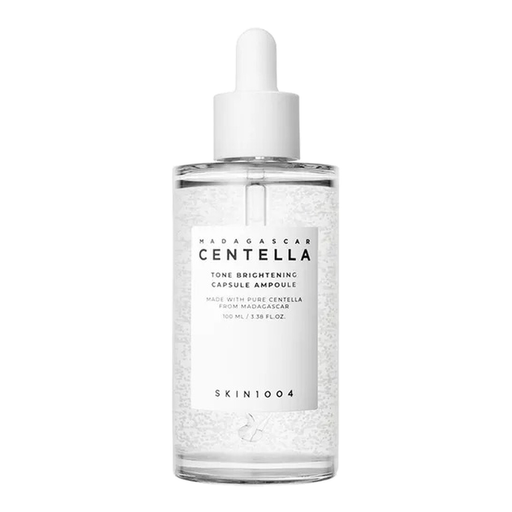
Why it suits this profile: The larger size is well suited to daily use and to shoppers who want a light, hydrating texture as well as a more even-looking complexion.
The ingredients list names niacinamide, tranexamic acid and 3-O-ethyl ascorbic acid separately. This allows you to compare the formula more precisely with other serums.
100 ml size, centella asiatica extract, niacinamide, tranexamic acid and a fast-absorbing texture according to the product description.
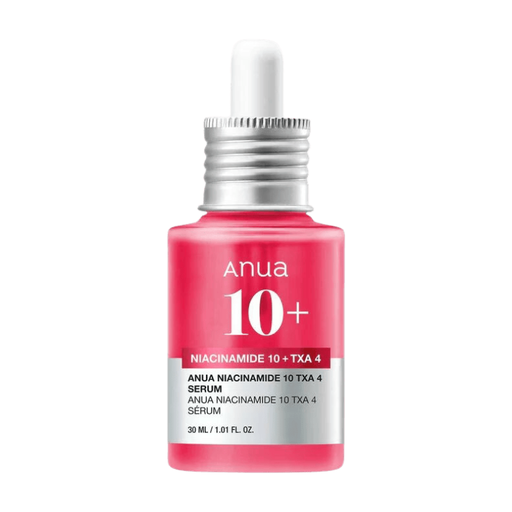
Why it suits this profile: Suitable if you are specifically looking for a serum for acne marks, pigmentation and an uneven complexion, and want to compare the active ingredients carefully.
The stated concentrations make it easier to identify a high active-ingredient load. Ideally, do not combine this serum straight away with several strong exfoliating products.
10% niacinamide, 4% tranexamic acid, alpha-arbutin and, according to the specifications, a fragrance-free formula in a 30 ml pump bottle.
We have put together a complete, up-to-date list of products that fully meet these strict selection criteria and the applicable European safety regulations.
Do not use a serum on damaged or irritated skin. Stop using it if you experience persistent redness, itching, swelling or a burning sensation, and consult a healthcare professional if in doubt.
A cosmetic serum usually does not change the skin immediately. The visible result depends on the cause of the discolouration, the formula, regular use and protection against UV rays. Product descriptions may mention results reported by brands; according to a brand’s own research, such claims do not automatically apply to every user.
This can work in some routines, but it depends on the overall formula and your skin’s sensitivity. Start gradually, do not use several strong products at the same time and follow the instructions on the label. If you have sensitive skin, you can use active serums at different times of day.
This varies from product to product. Check the symbol on the packaging, the shelf life after opening and any storage instructions. Vitamin C23, for example, specifies refrigerated storage and use within a limited period after opening in the product information. The information on the label of the product you receive takes precedence.
