
Vandaag of morgen in huis

Kwaliteit gegarandeerd

Welkomstaanbiedingen ontgrendelen: GRATIS bezorging | Tot 80% korting | Gratis 30 dagen JoyPlus-proefperiode
Download de app
Pigmentation, dark spots and post-acne marks can develop for various reasons. If you’re looking for a serum for dark spots, you’ll soon come across terms such as “brightening”, “glow” and “dark spot correcting”. On their own, these words don’t tell you much. The formula, concentration, texture and directions for use all determine whether a product fits into your skincare routine.
As a Joybuy Product Recommendation Officer, I focus on verifiable information: ingredients, size, skin type, how to use the product and any points to bear in mind. That way, you can avoid paying for eye-catching packaging or a promise that doesn’t suit your needs.
A higher percentage of niacinamide, vitamin C or another active ingredient isn’t automatically suitable for every skin type. Sensitive or dry skin may react more strongly to a concentrated formula. So don’t just look at the percentage; check for hydrating and soothing ingredients too, such as glycerine, panthenol, hyaluronic acid or centella.
A product called a “brightening serum” could be designed for a range of purposes. Some formulas focus mainly on hydration and a fresh-looking complexion, while others contain ingredients described as helping to visibly reduce pigmentation. Check the full ingredients list and the instructions on the packaging.
Claims about visible brightening or a more even-looking complexion come from the brand or seller. Treat them as product claims, not guaranteed results. It can also take time for dark spots to become less noticeable.
A serum for hyperpigmentation isn’t a substitute for sun cream. Daily UV protection can help prevent discolouration from becoming more noticeable again. Product information for formulas containing vitamin C derivatives, AHA or retinol often highlights the need for extra sun protection. Use a suitable sun cream during the day and always follow the label.
A lightweight, watery texture is practical for oily or combination skin and can be layered easily under a moisturiser. A formula containing glycerine, hyaluronic acid or oils, or one with a richer finish, may feel more comfortable on dry skin.
“Suitable for all skin types” doesn’t mean everyone will have the same experience. Also check whether a product contains fragrance, alcohol, essential oils, salicylic acid or other ingredients your skin may be sensitive to.
Serums usually come in sizes ranging from 20 to 60 ml. As you only need a few drops each time, a bottle may last from a few weeks to several months, depending on how often and how much you use. Check the expiry date and the period after opening on the packaging.
When trying a new serum, start by using it a few times a week. Don’t immediately use several potent active ingredients at once, such as retinol, AHA and a highly concentrated vitamin C serum. Stop using the product if you experience persistent redness, itching or a burning sensation, and speak to a doctor or dermatologist if you’re unsure.
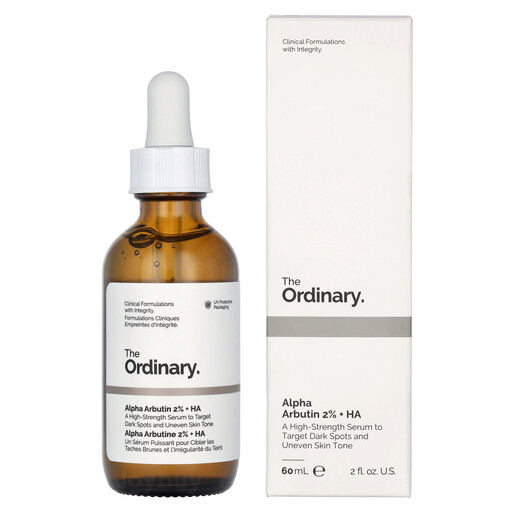
Why it suits this profile: The formula combines 2% alpha-arbutin with hyaluronic acid and has a lightweight texture. This makes it a straightforward starting point if you’d like to try a serum for dark spots.
The ingredients and concentration are clearly listed, so you don’t have to rely solely on the term “brightening”.
60 ml, water-based, with hyaluronic acid and, according to the product information, suitable for all skin types.
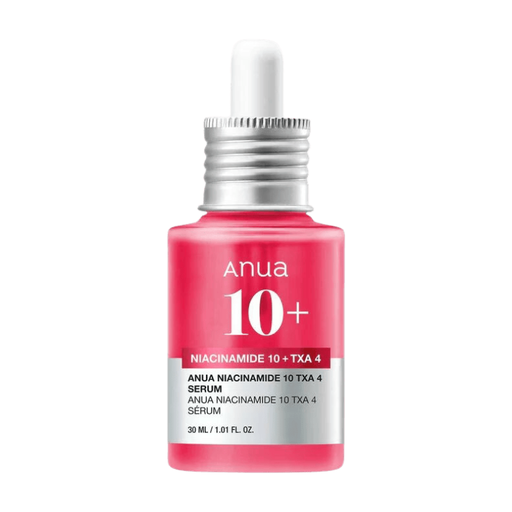
Why it suits this profile: This Korean skincare serum is aimed at people who want to combine niacinamide and tranexamic acid in one product.
The product information lists the percentages of both key ingredients and describes the formula as fragrance-free and oil-free.
10% niacinamide, 4% tranexamic acid, hyaluronic acid and a 30 ml pump bottle.
We’ve put together a complete, up-to-date list of products that meet these strict selection criteria and the applicable European safety regulations.
It varies depending on your skin, the type of discolouration and the product. Brands may mention specific timeframes in their own communications, but these aren’t guaranteed. Use the serum consistently as directed, and don’t judge your skin after just a few applications.
It depends on the formula. According to the label, a hydrating serum with a gentle formula may be suitable for daily use. If it contains retinol, a high concentration of vitamin C, AHA or several active ingredients, it’s wiser to build up use gradually. Follow the product warnings and use sun protection during the day.
The price depends on the brand, size, concentration and formula. Compare the price per millilitre and consider which ingredients you actually need. A 60 ml bottle may last longer with daily use than a smaller product, while a concentrated formula may require less product each time.
