
Vandaag of morgen in huis

Kwaliteit gegarandeerd

Welkomstaanbiedingen ontgrendelen: GRATIS bezorging | Tot 80% korting | Gratis 30 dagen JoyPlus-proefperiode
Download de app
Spots, blackheads, visible pores and post-acne marks do not all require the same care. Yet many serums promise smooth, even-looking skin with a single formula. This can lead to a disappointing purchase: a product that is too strong, does not suit your skin type or relies mainly on attractive marketing claims.
As a Joybuy Product Recommendation Officer, I filter the most important information using verifiable product data. This helps you see what to look for in a serum for blemish-prone skin, without making your routine unnecessarily complicated.
A serum containing lots of active ingredients may seem highly targeted, but several acids or high concentrations can irritate the skin. This is particularly true if your skin is sensitive or already irritated, so it is wise to introduce products gradually. Also check whether a formula contains fragrance, essential oils or drying alcohol if you are sensitive to these ingredients.
Cosmetics cannot permanently make pores disappear. A pore-refining serum may make the skin look smoother or help reduce excess sebum and shine. So do not expect a lasting change to your skin structure. Instead, focus on the texture, ingredients and directions for use rather than a striking claim on the front of the packaging.
If you use a niacinamide serum, exfoliating serum and azelaic acid product at the same time, it is difficult to determine which product is working well or causing irritation. Start with one goal, such as managing sebum and blackheads, and only add a second product later.
Check the full ingredients list on the packaging. Look for a texture that suits your preferences: a lightweight, oil-free lotion may feel comfortable on oily skin, while a hydrating ampoule may be better suited to dehydrated skin. A product description cannot guarantee your personal results.
Before using a new facial serum for spots, carry out a small test on a limited area of skin. Stop using it if you experience persistent redness, swelling, itching or a burning sensation. Avoid contact with the eyes and open wounds.
A 30 ml bottle is common for a concentrated serum. A dropper helps you dispense a few drops, while a pump bottle limits contact with the contents. Always follow the instructions on the label. During the day, active serums should be paired with a sun protection product that fits into your routine, particularly when the product information advises this.
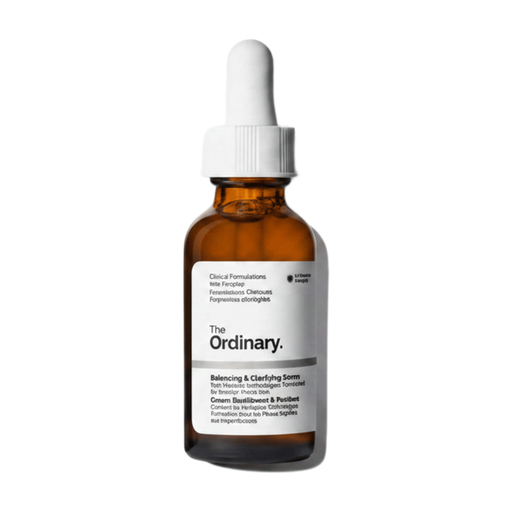
Why it suits this profile: The product information describes a formula designed to reduce shine, support the skin’s moisture balance and refine its texture. This makes it a straightforward option if you want to start with a single serum.
The product description does not mention a specific dermatological test. Assess the ingredients yourself and introduce the product gradually rather than relying solely on the “clarifying” claim.
30 ml; intended for the face; according to the product information, suitable for all skin types; use in the morning and/or evening.
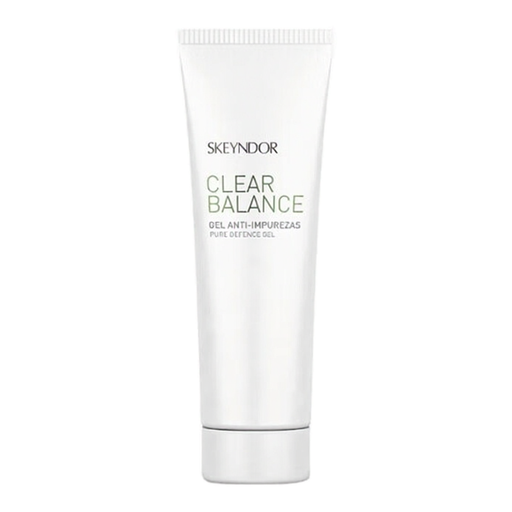
Why it suits this profile: At 50 ml, and with a lightweight, oil-free texture according to the description, this serum is well suited to anyone looking for a daily routine for oily or blemish-prone skin.
The oil-free texture and clearly defined target audience reduce the chance of choosing a heavy serum. According to the product description, claims about pores and sebum refer to visible cosmetic effects, not a permanent promise.
50 ml; oil-free texture according to the product information; intended for oily and acne-prone skin; apply after cleansing and before moisturiser.
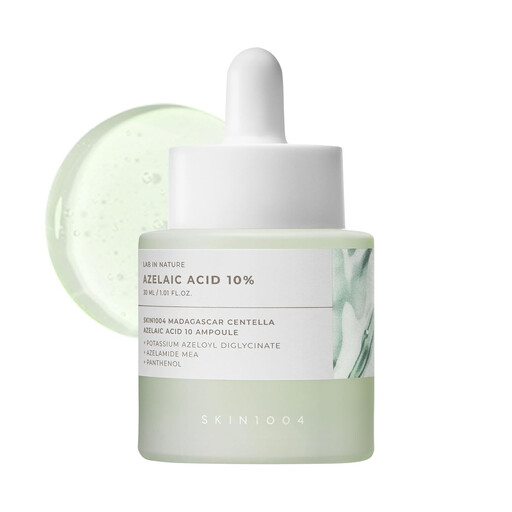
Why it suits this profile: According to the product information, this azelaic acid serum contains 10% azelaic acid and centella. It is suitable for anyone specifically targeting blemishes, visible redness and an uneven complexion.
The directions for use recommend starting every other day during the first week. This helps prevent you from using a concentrated formula too frequently straight away.
30 ml; 10% azelaic acid according to the product name; niacinamide-free formula according to the product information; contains centella and has a hydrating texture.
We have put together a complete, up-to-date list of products that fully meet these strict selection criteria and the applicable European safety regulations.
A serum for blackheads, serum for redness or serum for pigmentation marks needs time to become part of your routine. Results vary from person to person. For persistent or painful skin problems, seeking advice from a GP or dermatologist is wiser than repeatedly trying a stronger cosmetic product.
It depends on the formula. According to the label, a hydrating serum can often be used daily. With azelaic acid, AHA, BHA or PHA, it is wiser to build up gradually. For example, start a few times a week if the packaging allows this, and only increase use if your skin tolerates it well.
This can work in some routines, but it is not essential. Use one product first for several weeks to assess your skin’s tolerance. If your skin is sensitive, it is better to alternate products than to use several concentrated serums in the same routine.
The shelf life is stated on the packaging. Check the expiry date and the period after opening, for example a symbol such as 12M. Close the bottle securely, store the serum away from direct sunlight and stop using it if its smell, colour or texture changes noticeably.
