First, check whether you can set your existing freezer compartment to at least −18 °C, as recommended by the Netherlands Nutrition Centre, and whether your individual portions of dough will fit. If you only need to freeze a few portions now and then, you may not need a separate freezer. If you regularly need more space, choose a model based on the space available and its layout, then compare the annual energy consumption and defrosting system of specific models. The Netherlands Nutrition Centre warns that raw dough should not be eaten raw: freeze it to bake later.
Who is this choice relevant to?
Occasional baker with a freezer compartment
You want to store a few shaped portions and first check whether your current freezer space is suitable and large enough. The Netherlands Nutrition Centre and Laura’s Bakery offer information on storage and shaping portions of dough.
Home baker with limited kitchen space
You need extra freezer space, but the external dimensions, doorway and layout all determine what will fit in the space available. The Consumers’ Association and product specifications from Beko and Tomado can help you weigh up your options.
Regular batch baker
You want to find portions easily, so you should also consider the drawer layout, energy consumption and defrosting maintenance. The European Commission explains the information on energy labels, while Milieu Centraal discusses the energy consumption of refrigeration appliances.
What should you look for in a freezer for portions of dough?
Use your existing freezer space
Suitable when: the freezer space can reach at least −18 °C, in line with storage guidance, and there is room for your portions.
Consider: you won’t need to make room for a second appliance, but you’ll be sharing the available space with other food.
A compact freestanding model
Suitable when: you regularly need extra space and the external dimensions and layout suit your kitchen and portions.
Consider: an extra appliance uses energy, so check its stated annual energy consumption and installation requirements too.
A built-in freezer
Suitable when: you have a suitable space in your kitchen or are replacing an existing built-in appliance.
Consider: check the niche, hinge and cabinet door; a built-in model is not designed to go just anywhere as a freestanding appliance.
A chest freezer
Suitable when: as well as portions of dough, you want to store larger or awkwardly shaped items and have enough floor and opening space.
Consider: the extra capacity may not be useful if you only need to store a few small portions of dough.
The Netherlands Nutrition Centre recommends a temperature of at least −18 °C for freezer storage. The space available, energy consumption and maintenance are also worth considering.
| Consideration |
What to check before buying |
Who is this most relevant to? |
| Freezing portions of dough |
Check whether the freezer can reach at least −18 °C and whether there is room to freeze portions individually. |
If I want to take out shaped portions one at a time later, I need to know whether the temperature and available space are suitable. Around 36% of consumers prioritise this suitability for freezing. |
| Fitting and finding portions |
Measure the space where you plan to put the appliance and the doorway; check whether the compartments or drawers suit your portions. |
In a small kitchen, I want to be able to fit the model in and store different types of dough neatly. Around 29% of consumers prioritise a suitable space and practical layout. |
| Energy consumption |
For models with a suitable capacity, compare the stated annual energy consumption in kWh on the EU energy label. |
If I’m considering an extra appliance, I want to be able to compare its stated energy consumption beforehand. Around 21% of consumers prioritise the energy consumption of extra freezer space. |
| Defrosting maintenance |
Check whether the exact model has NoFrost or a system that reduces frost build-up. |
If you want to spend less time defrosting, you can factor in the maintenance system. Around 14% of consumers prioritise reducing the need for manual defrosting. |
Common buying mistakes
-
Buying an appliance without checking your existing freezer compartment
Your existing freezer space may be enough for a few portions, provided it reaches the recommended temperature and the portions fit.
Check whether your freezer space can reach at least −18 °C, and try arranging the portions you need before choosing an extra freezer. This is in line with the storage guidance from the Netherlands Nutrition Centre.
-
Looking only at the energy label rating or capacity
The rating and capacity alone don’t tell you how many kWh a model uses per year. The European Commission says the EU energy label shows annual energy consumption and volume.
First decide what capacity and dimensions will work for you, then compare the stated annual energy consumption of those models.
-
Confusing SmartFrost or lowFrost with NoFrost
Liebherr describes SmartFrost as a system that reduces frost build-up. The brand lists NoFrost for the FNe 1404, while Siemens lists lowFrost and no NoFrost for the GI11VADE0.
Check the description and maintenance instructions for the exact model so you know what defrosting it requires.
Freezer brands to consider
Tomado
Tomado offers the freestanding TFT4702W tabletop model, among others. It’s a compact option to consider if you’re looking for separate compartments.
- According to Tomado, the TFT4702W has a 60-litre capacity, three transparent freezer compartments, a four-star rating and a freezing capacity of 6 kg/24 hours.
- The manufacturer says the controls are at the back, so check that you’ll be able to reach them where you plan to put the appliance.
Beko
According to Beko, the freestanding FS166020 is a static-cooling tabletop model with a 65-litre capacity and a width of 47,5 cm, making it worth considering if you have limited width available.
- Beko’s product information gives the FS166020 a width of 47,5 cm.
- Check the depth, doorway and installation requirements too. The product information specifies static cooling; compare the defrosting details for the exact model.
Inventum
According to Inventum, the freestanding VR550 is a tabletop model with an 88-litre capacity and three transparent drawers.
- Inventum lists a four-star rating, a freezing capacity of 4 kg/24 hours and a reversible door for this model.
- Inventum says the VR550 does not have NoFrost and gives an ambient temperature range of 10 °C to 38 °C for this model. These details don’t necessarily apply to other models from the brand.
Liebherr
Liebherr offers the compact Fe 1404 with SmartFrost and the FNe 1404 with NoFrost, among others.
- Liebherr lists a capacity of 107 litres for the Fe 1404 and 92 litres for the FNe 1404.
- According to Liebherr, SmartFrost reduces frost build-up; the brand describes NoFrost on the FNe 1404 as a system that eliminates the need for manual defrosting. These claims apply to the models listed.
Siemens
According to Siemens, the GI11VADE0 is a built-in freezer from the iQ500 range, making it relevant if you have a suitable space in your kitchen.
- Siemens lists a freezer volume of 72 litres, energy consumption of 167 kWh/year and lowFrost for the GI11VADE0.
- NoFrost is listed as not available for this model. Check the niche, cabinet door and hinge before choosing a built-in model.
Freezers for extra cookie dough storage
The products below are compact freestanding freezers that provide extra freezer space. The Netherlands Nutrition Centre recommends a temperature of at least −18 °C for freezer storage; check that this setting is available on the exact model.
 No image available
Frilec BREMEN138-NF-050DW No-Frost freezer
An option if you’re looking for extra freezer space and No Frost; check whether the layout described will suit your portions of dough.
According to Joybuy’s product information, this model has a capacity of 87 litres, three freezer drawers and stated energy consumption of 145 kWh/year. The description lists No Frost, automatic defrosting, a freezing capacity of 5 kg/24 hours and a recommended temperature of −18 °C. The stated dimensions are 84,5 × 55 × 59,5 cm; the description also mentions one freezer compartment.
View at Joybuy
 No image available
Frilec BREMEN132-040BW, energy label B
An option if you want to store individual portions in separate drawers; check the temperature setting for freezer storage.
According to Joybuy’s product information, this model has a capacity of 87 litres and three transparent drawers. The stated figures are 84 kWh/year and a freezing capacity of 4,4 kg/24 hours; the dimensions are 55 × 85 × 58 cm. The door has a reversible hinge.
View at Joybuy
 No image available
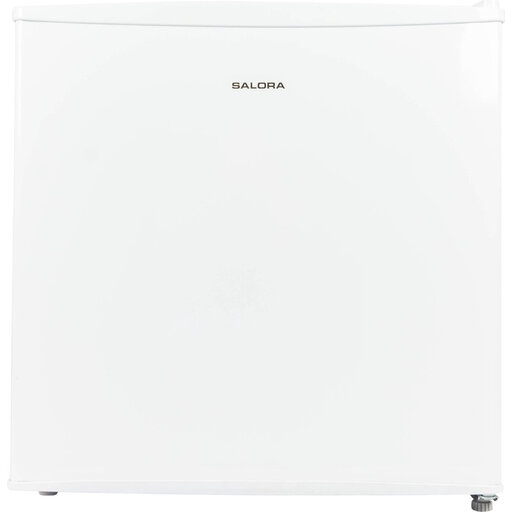
Salora FRB3200WH freezer, 31 litres
A compact option if you only need a limited amount of extra freezer space; check whether the interior will fit the portions you want to store.
According to Joybuy’s product information, it has a capacity of 31 litres and a freezing capacity of 2 kg/24 hours. The stated dimensions are 472 × 450 × 492 mm; the model has a rotary control and a reversible door. Check the temperature setting for the exact model.
View at Joybuy
 No image available
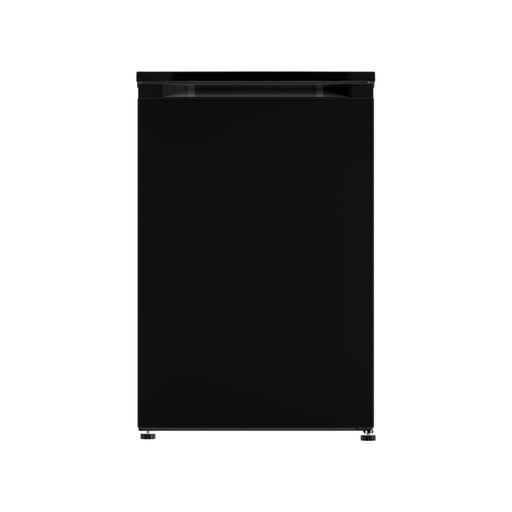
Exquisit GS581-051CB, energy label C
An option if you want to store portions neatly in drawers and don’t mind manual defrosting.
According to Joybuy’s product information, this model has a capacity of 85 litres, three transparent drawers and stated energy consumption of 105 kWh/year. Its freezing capacity is 4,5 kg/24 hours; the stated dimensions are 84,5 × 54,9 × 55,7 cm. The door is reversible and the description says manual defrosting is required. Check the temperature setting for the exact model.
View at Joybuy
 No image available
Salora 47FRT60WH freezer, 60 litres
An option if you want to sort portions into separate compartments and an adjustable temperature is important to you.
According to Joybuy’s product information, this model has a capacity of 60 litres and three freezer compartments. The temperature can be set from −12 °C to −20 °C; the stated freezing capacity is 6 kg/24 hours. The dimensions are 472 × 446 × 845 mm and the door is reversible. The product description states that No Frost is not available.
View at Joybuy
Frequently asked questions
Can you eat raw cookie dough after it has been frozen?
No, don’t assume that it’s safe. The Netherlands Nutrition Centre warns that raw dough may contain harmful bacteria from ingredients such as raw egg or flour and advises against eating it raw. Baking it thoroughly kills these bacteria.
Do you need to defrost portions of cookie dough first?
Not always. Laura’s Bakery describes a method where shaped portions are first frozen separately, then baked straight from the freezer. Follow the recipe for your dough and check the baking results; this is baking advice, not a general food safety rule.
Can a tabletop freezer be kept in an unheated shed?
That depends on the ambient temperature specified for the exact model. Inventum gives a range of 10 °C to 38 °C for the VR550; Liebherr says the Fe 1404 is suitable for ambient temperatures down to −15 °C. Check the manual before putting a different model in an unheated space.
What energy consumption information can you compare when choosing a freezer?
For models that are a suitable size, compare the stated annual energy consumption in kWh on the EU energy label. The European Commission also lists information such as energy class, volume and noise; check the details for the exact version.
What can you do with your old freezer when you buy a new one?
According to the Dutch government, if you’re a private customer buying a new, similar appliance, you can return the old one to the retailer free of charge, including when you buy online. You can also take it to a local council collection point.


