
Vandaag of morgen in huis

Kwaliteit gegarandeerd

Welkomstaanbiedingen ontgrendelen: GRATIS bezorging | Tot 80% korting | Gratis 30 dagen JoyPlus-proefperiode
Download de app
A sensor light seems like a simple purchase—until you find it switching on and off erratically, the batteries drained after just a week, or the outdoor light failing after the first autumn storm. Automatic lighting offers convenience and security, but the market is flooded with models that cause more frustration than functionality. Before you make a choice, it's essential to know where the hidden flaws lie.
Common pitfalls when buying a sensor light:
battery-powered hallway light or a rechargeable model. Some lights stay on too long after detection or consume significant power in standby mode, forcing you to constantly replace batteries or recharge the unit.outdoor light with motion sensor must be able to withstand the elements. A low IP rating (Ingress Protection) means moisture and dust can penetrate the electronics, leading to a short lifespan.To avoid these problems, it's wise to check three core specifications. These determine whether a sensor light will perform well or become a source of annoyance.
Not all sensors do the same thing. The choice depends on where you plan to use the light.
motion sensor. It reacts to the body heat of people or larger animals. It's ideal for areas where you only need light when someone is present, such as a hallway, a closet, or a garden path. Pay attention to the detection range (in meters) and the detection angle (in degrees) to ensure the coverage fits the space.night light with a sensor in a child's room or as indoor lighting with a dusk-to-dawn sensor that needs to provide subtle orientation light all night.Some lights combine both: the dusk-to-dawn sensor ensures the lamp is only active in the dark, and the PIR sensor then switches the light on when motion is detected.
The power source determines the installation and maintenance.
rechargeable LED cabinet light can be placed anywhere without the hassle of wires. The downside is that you need to replace the batteries or periodically recharge the unit via USB. Check the battery's capacity, expressed in mAh (milliampere-hours). A higher value generally means a longer runtime.solar-powered wall light is a sustainable and cost-effective solution for outdoors. During the day, the solar panel charges an internal battery. Installation is simple as no wiring is required. However, its effectiveness depends on the amount of direct sunlight the panel receives.For outdoor use, the IP rating is a non-negotiable specification. This rating consists of two digits. The second digit is the most important for weather resistance:
An indoor light typically has no or a low IP rating (e.g., IP20) and is completely unsuitable for outdoor use.
Based on these criteria, we have selected a few products that suit different needs and situations.
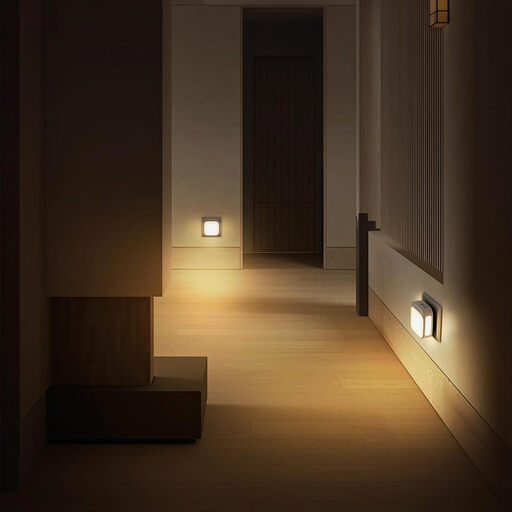
Why This Fits Their Persona: Ideal for those who want to safely navigate hallways, landings, or bathrooms at night without turning on a bright main light. Perfect for a child's room. You plug it into the outlet, and it does its job.
This light uses a reliable dusk-to-dawn sensor, so it only reacts to dark and light, not motion. This prevents unnecessary switching. With a power consumption of just 0.3W, it is extremely energy-efficient.
The warm white light (2800-3000K) is continuously dimmable, allowing you to adjust the brightness precisely to your needs. The set of two offers a cost-effective solution for multiple rooms.
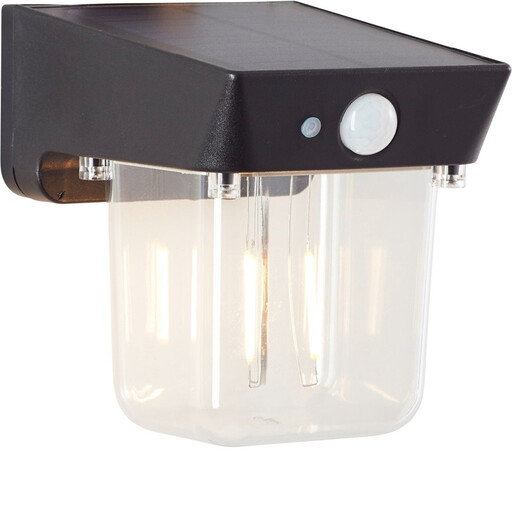
Why This Fits Their Persona: For homeowners who want to secure and illuminate their driveway, garden path, or front door without running electrical wires or increasing their energy bill.
The IP44 rating ensures the lamp is splash-proof and suitable for most climates. Because it runs entirely on solar power, the pitfall of high energy consumption is completely avoided.
The combination of a solar panel, a motion sensor, and an integrated LED lamp makes this a complete, low-maintenance solution. Installation is extremely simple as no wiring is required.

Why This Fits Their Persona: Solves the timeless frustration of dark closets, kitchen drawers, or pantries. Thanks to its magnetic strip and rechargeable design, it can be placed anywhere, without drilling or outlets.
The built-in 1100mAh battery provides a long runtime, helping you avoid the pitfall of constant recharging. The PIR sensor ensures the light only turns on with motion, which conserves the battery.
Highly versatile thanks to three adjustable color temperatures (cool, neutral, and warm white). The ultra-thin profile (10 mm) makes it virtually invisible in any cabinet or drawer.
We have compiled a complete, up-to-date list of products that fully meet these strict selection criteria and applicable safety regulations.
This depends heavily on the battery capacity (mAh) and how often the light is activated. A model in a closet that you open a few times a day can last for weeks or even months. A light in a busy hallway will need to be recharged more often. Product specifications often mention an estimated runtime.
Most modern outdoor lights with motion sensors also have a built-in dusk-to-dawn sensor. This ensures that motion detection is only activated when it's dark to save energy. On some models, you can manually adjust or disable this feature.
A PIR sensor reacts to heat and motion, switching the light on when someone passes by. A dusk-to-dawn sensor reacts to the amount of ambient light, turning the lamp on when it gets dark and off when it's light again. Many lights combine both for smart and efficient use.
