
Vandaag of morgen in huis

Kwaliteit gegarandeerd

Welkomstaanbiedingen ontgrendelen: GRATIS bezorging | Tot 80% korting | Gratis 30 dagen JoyPlus-proefperiode
Download de app
Light that turns on exactly when you need it, without fumbling for a switch in the dark. That's the promise of sensor-activated LED lighting. Convenient for the wardrobe, safe for the driveway, and energy-efficient for the hallway. But the market is flooded with options, and not every light delivers on its promise.
Before you invest in convenience, it's wise to understand the common pitfalls. Many lights end up as a source of frustration rather than illumination.
wireless sensor light seems ideal until you find yourself recharging it weekly. Convenience quickly fades when maintenance becomes a recurring chore.outdoor sensor light that gives up after the first serious downpour is a waste of money. Waterproofing claims are often exaggerated.By paying attention to a few technical details, you can avoid these problems and choose a product that truly works for you.
Look past the marketing and focus on the specs. These three points determine whether a sensor light is a worthwhile purchase.
Most lights use a PIR sensor (Passive Infrared), which responds to the body heat of moving objects. Pay attention to two factors here:
Some lights, like a sensor night light, only have a dusk-to-dawn sensor. These turn on automatically when it gets dark and off again when it's light.
How the light is powered determines where and how you can use it.
rechargeable sensor light is flexible and sustainable. You don't have to replace batteries. Ideal for cabinet lighting with sensor or an led strip with sensor.solar motion sensor light is a smart choice for outdoors. No electricity costs and environmentally friendly, provided the solar panel receives enough direct sunlight.Many modern lights require no drilling and can be attached with strong adhesive tape or a magnetic strip.
The IP rating indicates the degree of protection against dust and water. This is crucial for an outdoor light.
We have selected a few products that suit different needs, based on their specifications and functionality.

Why This Fits Their Persona: Ideal for those who can't or don't want to drill holes. You can easily stick these flat LED strips in a wardrobe, kitchen cabinet, or dark hallway. The set of two provides a complete solution for multiple spots in the home.
The built-in 1100mAh battery is USB-rechargeable, which avoids the pitfall of constantly dead batteries. The adhesive tape installation is quick and leaves no damage.
Three adjustable colour temperatures (warm, neutral, and cool white) and a PIR sensor with a 3-5 metre range.
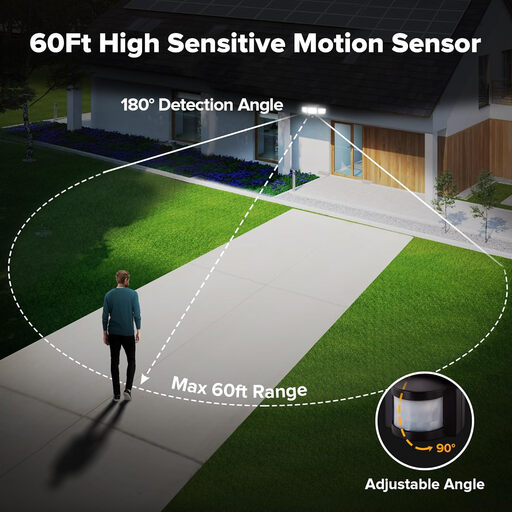
Why This Fits Their Persona: This set is designed for those who prioritise safety and visibility around their home. The lights are solar-powered, so there are no electricity costs or complex wiring needed. Perfect for the driveway, garden, or shed.
With an IP65 rating, this light is built to withstand the elements. The wide detection angle (180°) and long range (up to 18 metres, according to the manufacturer) prevent the frustration of an unreliable sensor.
High light output (3000 lumens), three adjustable modes, and adjustable heads for a wide 270-degree illumination angle.
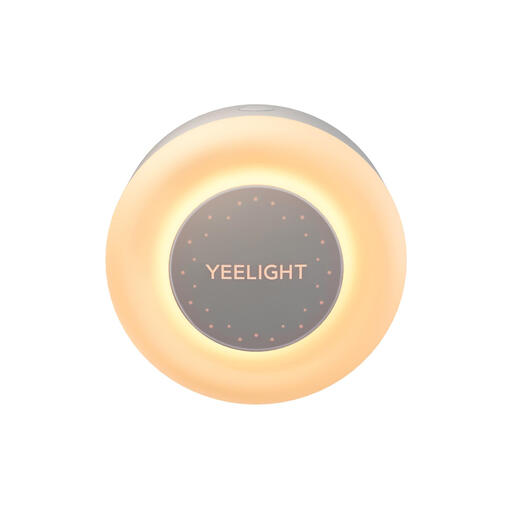
Why This Fits Their Persona: For anyone who wants to find their way at night without turning on a harsh, bright light. You plug this night light into an outlet, and it just works. It provides a soft, warm glow, ideal for the hallway, landing, or a child's room.
Because this is a plug-in model, you never have to worry about batteries. Its simple light sensor (on/off based on ambient light) is more reliable than a complex motion sensor for this application.
Extremely low energy consumption and a 'plug-and-play' installation. The minimalist design fits into any interior.
We have compiled a complete, up-to-date list of products that meet these strict selection criteria and comply with current safety regulations.
The battery life depends heavily on the battery capacity (expressed in mAh) and how often the light is activated. A light with a capacity of 1000mAh or more can last for several weeks to months with average use (about 10 activations per day) before needing a recharge. Always check the battery specifications.
No, absolutely not. Only lights with an appropriate IP rating are resistant to weather conditions. For outdoor use, choose a light with at least an IP44 rating (splash-proof) if it's in a sheltered location. For exposed locations, IP65 (water-jet proof) is a much safer and more durable choice.
An led strip with sensor is very versatile. Its flat and flexible design makes it ideal for:
