
Livraison le jour même et le lendemain

Qualité garantie

Débloquez vos offres de bienvenue: Livraison GRATUITE | Jusqu'à -80 % | 30 jours d'essai gratuits à JoyPlus
Téléchargez l'application
Sensitive skin does not always react in the same way. One person may mainly experience tightness and flaking, while another may have redness, blemishes or a burning sensation. That is why skincare for sensitive skin is not automatically suitable for everyone.
Packaging is not always helpful either. Words such as “natural”, “soothing” and “dermatologically tested” say little by themselves about the complete formula. The following points will help you avoid buying a product that ends up unused in the bathroom after just a few days.
Plant extracts can be a good fit for soothing skincare, but they are not automatically free from potential irritants. Essential oils, fragrance ingredients and alcohol can trigger a sensitivity reaction in some people. Always check the full ingredients list, even if the front of the packaging has a gentle appearance.
Niacinamide, vitamin C, acids, retinoids and exfoliating ingredients each have a different function. When you introduce several new products at the same time, it is difficult to work out which product is causing a reaction. For dry and irritated skin, a simple routine is often more practical: cleanse, moisturise and protect against UV radiation during the day.
Products such as eczema and psoriasis cream may have a different status from an ordinary face cream. The Lucovitaal lotion and cream in this overview are offered as medical devices and, according to the product information, are intended for adults with eczema or psoriasis diagnosed by a doctor. Always read the instructions for use when using products like these. They are not a substitute for medical advice.
If your skin reacts easily, you may wish to start with fragrance-free skincare and a short ingredients list. Also look out for fragrance compounds such as linalool, limonene, geraniol and citronellol. Denatured alcohol and essential oils may also be less suitable for some users. For example, the Centella Sun Cream contains denatured alcohol, lavender oil, linalool and geraniol. According to the product information, a patch test is therefore advisable.
A hydrating face cream often contains humectants such as glycerine, hyaluronic acid or panthenol. These help attract moisture. A formula containing ceramides, fatty acids, cholesterol, squalane or silicones can also help reduce moisture loss from the skin’s surface.
A ceramide cream is therefore worth considering if you mainly experience tightness or dryness. The Ceramide Skin Barrier Moisturizer contains, among other ingredients, several ceramides, panthenol, squalane and hyaluronic acid. The product information recommends a patch test for sensitive skin.
According to the product description, NIVEA Essentials Soothing Micellar Water Sensitive Skin is fragrance-free and contains glycerine, panthenol, liquorice extract and an amino acid complex, among other ingredients. According to the product information, Avène Cleanance Micellar Makeup Remover Water is designed for sensitive, combination to oily and blemish-prone skin. NIVEA Rose Care Micellar Water, on the other hand, contains fragrance and various fragrance compounds, making it a less obvious first choice for anyone specifically looking for fragrance-free skincare.
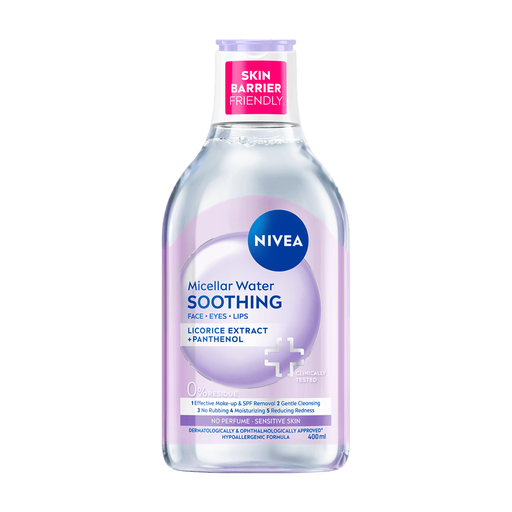
Why it suits this profile: A simple cleansing step for everyday use, with a 400 ml capacity and a formula that is fragrance-free according to the product description.
The product information states that it contains no fragrance and recommends gently wiping the skin without rubbing hard.
400 ml, suitable for the face and closed eyes according to the product information, with glycerine and panthenol.

Why it suits this profile: Ideal for fans of Korean skincare who are looking for a richer, barrier-focused cream for morning and evening use.
The ingredients list can be checked and includes several ceramides, panthenol, squalane and hyaluronic acid.
80 ml capacity; hypoallergenic, non-comedogenic and dermatologically tested according to the product information.
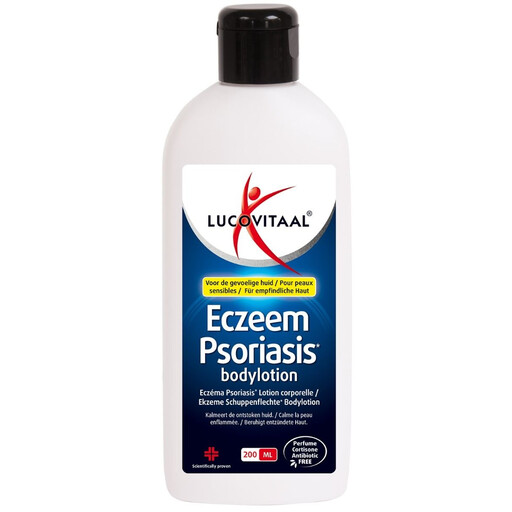
Why it suits this profile: Designed for adults with eczema or psoriasis diagnosed by a doctor and dry, flaky skin on the body.
It is clearly labelled as a medical device and supplied with instructions for use.
200 ml, fragrance-free according to the product information and intended for everyday use on affected skin.
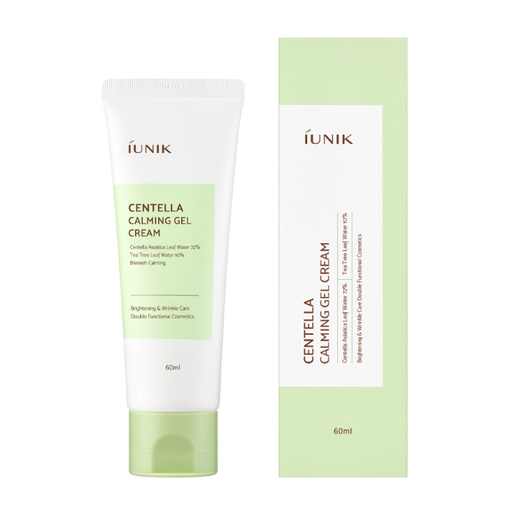
Why it suits this profile: The gel texture suits combination, oily, acne-prone or sensitive skin that does not respond well to heavy creams.
According to the product description, the formula is free from synthetic fragrance, parabens and sulphates.
Centella asiatica, tea tree extract and niacinamide; lightweight gel cream in a 60 ml size.
We have put together a complete, up-to-date list of products that fully meet these strict selection criteria and the applicable European safety regulations.
For most routines, one thorough cleanse in the evening is sufficient. In the morning, you can use lukewarm water or a gentle product if your skin needs it. Avoid hot water, rough flannels and vigorous rubbing. Micellar water can be practical when removing make-up or sunscreen; preferably choose a formula suited to your sensitivity to fragrance and fragrance compounds.
Hydration and comfort may be noticeable quickly, but reactions vary from person to person. Ideally, introduce one new product at a time and watch for redness, itching, stinging or tightness. Stop using it if you experience clear irritation. Restoring the skin barrier is neither guaranteed nor immediate, so product descriptions should not be interpreted as medical outcomes.
SPF50 is a practical option if you spend a lot of time outdoors every day or want a high level of protection. More important than the number alone is applying enough and reapplying as directed. Check the ingredients if your skin reacts quickly to alcohol, fragrance or essential oils.
