
Livraison le jour même et le lendemain

Qualité garantie

Débloquez vos offres de bienvenue: Livraison GRATUITE | Jusqu'à -80 % | 30 jours d'essai gratuits à JoyPlus
Téléchargez l'application
A moisturiser for sensitive skin should feel comfortable, provide enough hydration and fit into your daily routine. However, it can be difficult to see past marketing terminology. A cream may be described as “intensely restorative”, for example, while the ingredients list mainly consists of a lightweight humectant. Likewise, “natural” does not automatically mean that a formula is suitable for skin that reacts quickly.
With this practical guide, you can assess the formula, texture, absence of fragrance and when to use it. That way, you can find a hydrating face cream suited to dry, dehydrated or irritated skin.
Words such as soothing, barrier repair and restorative often describe a brand’s positioning. They are not a guarantee that every user will achieve the same result. According to some brands’ own research, ingredients such as centella asiatica, guaiazulene or beta-glucan may contribute to a comfortable skin feel, but this is not a medical effect and varies from person to person.
So start by looking for verifiable information:
A pleasant scent can make a product more appealing, but fragrance and essential oils may feel uncomfortable for people with sensitive skin. The Dear, Klairs Rich Moist Soothing Cream, for example, contains lemon, lavender, orange, geranium, ylang ylang and eucalyptus oils, among other ingredients. According to the product information, these ingredients may contain naturally occurring fragrance allergens.
If you prefer to avoid fragrance, it is better to look for a fragrance-free face cream and check the ingredients list. “Gentle” on the front of the packaging is not, by itself, a sufficient criterion.
A rich cream is not always the most practical choice. Under make-up or in warm weather, a heavy texture may feel uncomfortable. On the other hand, a very lightweight gel may not provide enough comfort for dry skin, particularly in winter or in a centrally heated home.
Pay attention to the difference between:
Glycerine, butylene glycol, sodium hyaluronate and beta-glucan help attract or retain moisture in the upper layers of the skin. In a cream for dry skin, you will also often find nourishing oils, shea butter, dimethicone or squalane.
A product containing plenty of hydrating ingredients can still be too lightweight if your skin dries out quickly. The combination of humectants, emollient ingredients and a protective layer is therefore more important than any single popular ingredient.
A ceramide cream contains ceramides that occur naturally in the skin barrier. The Ceramide Skin Barrier Moisturizer’s product information mentions several ceramides, including Ceramide NP, NS, AP, AS and EOP. Cholesterol, phytosphingosine, panthenol and hyaluronic acid also appear on the ingredients list.
This means that the formula contains ingredients that fit into a routine focused on supporting the skin barrier. It is not a guarantee that the skin barrier will actually be restored for everyone. Stop using the product if irritation occurs and consult a doctor or dermatologist if symptoms persist.
Always check the label, even when a product is marketed for sensitive skin. A patch test on a small area of skin can help you try a formula cautiously first. This is not a substitute for medical advice.
For sensitive skin, simple routines are often practical:
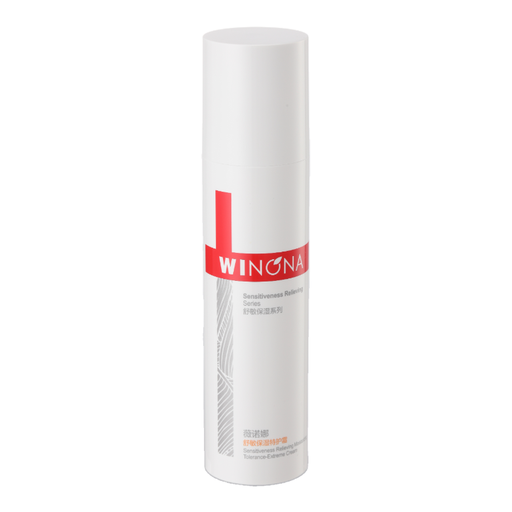
Why it suits this profile: According to the product description, this lotion has a lightweight texture and is intended for daily use in the morning and evening. This makes it a straightforward option for anyone who wants to build a simple routine.
The ingredients list is available and includes glycerine and several humectants. The description also mentions minimal fragrance rather than a strong perfumed experience.
Lightweight lotion texture, 50 g capacity and morning and evening use according to the product information.
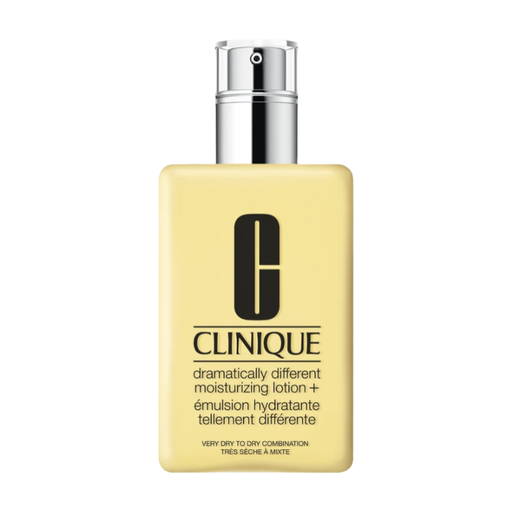
Why it suits this profile: If you value a fragrance-free formula and a larger size, this lotion may be worth considering. The product information describes an emulsion texture for dry to very dry/combination skin.
The product details explicitly state “100% fragrance-free”. The claim of strengthening the moisture barrier by 54% is a brand claim and should be understood as based on Clinique’s own research, not as a universal result.
125 ml capacity, glycerine and sodium hyaluronate in the formula, plus a fragrance-free product description.

Why it suits this profile: This Korean skincare moisturiser is designed for a routine centred around barrier-supporting ingredients. The formula contains several ceramides, cholesterol, squalane, panthenol and different forms of hyaluronic acid.
You do not have to rely solely on the word “barrier” on the packaging: the listed ingredients can be checked in the product information. A patch test is recommended for sensitive skin.
80 ml capacity and a formula containing Ceramide NP, NS, AP, AS and EOP, alongside panthenol and hyaluronic acid.
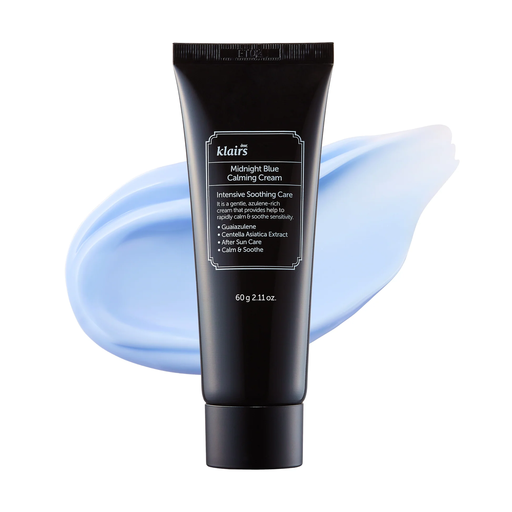
Why it suits this profile: The product description mentions a lightweight gel texture, a fragrance-free formula and use as the final step in an evening routine. The formula contains centella asiatica, Ceramide NP and guaiazulene.
The lightweight texture helps you avoid automatically choosing a heavy cream for sensitive skin. Always check the current packaging and test the product on a small area of skin first.
Fragrance-free description, gel texture, Ceramide NP and centella asiatica in the ingredients list.
Apply a small amount after cleansing. You can use a serum, such as a beta-glucan or centella ampoule, beforehand if you enjoy applying additional layers. Leave a short gap between steps if your skin quickly feels sticky.
In the morning, follow with a sun protection product. A moisturiser with SPF is not automatically enough protection for prolonged exposure; always follow the instructions on the sun protection product. In the evening, you can apply a slightly richer cream to dry areas without immediately applying a thick layer all over your face.
We have compiled a complete, up-to-date list of products that fully meet these strict selection criteria and the applicable European safety regulations.
Choose a formula with humectants such as glycerine or hyaluronic acid, complemented by soothing and barrier-supporting ingredients. A ceramide cream may be worth considering if your skin feels tight. A rich texture is not essential; how comfortable your skin feels after a few minutes is more important than how thick the cream feels on application.
No. Fragrance-free products remove one potential irritant, but other ingredients can also cause a reaction. Check the full ingredients list, preferably carry out a patch test, and stop using the product if you experience redness, swelling, itching or a burning sensation.
Follow the expiry information and period-after-opening symbol on the packaging. Store the cream in a cool, dry place away from direct sunlight, and close the packaging properly. Do not change your routine simply because a product feels less comfortable for a few days; if irritation persists, stop using it and seek medical advice if necessary.
