
Vandaag of morgen in huis

Kwaliteit gegarandeerd

Welkomstaanbiedingen ontgrendelen: GRATIS bezorging | Tot 80% korting | Gratis 30 dagen JoyPlus-proefperiode
Download de app
Buying a new supply of coffee pads for Senseo may seem straightforward. However, there are clear differences in compatibility, flavour intensity, caffeine content and the number of pads. A low price per pack may be less appealing if you choose a variety that does not suit your usual coffee-drinking habits. Coffee pads and capsules are also regularly confused, even though they are not designed for the same machines.
This practical guide helps you focus on the information that really matters. That way, you can make a more informed choice between Senseo coffee pads, strong varieties, regular roast, dark roast and decaffeinated coffee pads.
Coffee pads are flat, round pouches filled with ground coffee. They are designed for pad machines, including suitable Senseo machines. Capsules are rigid pods for a different brewing system, such as Nespresso or Dolce Gusto. Always check that the product description explicitly states that the pads are suitable for Senseo.
Products containing terms such as “coffee capsules”, “capsules” or “Nespresso compatible” are not automatically suitable for your machine.
A flavour-intensity scale tells you something about the roast and flavour profile, but not directly about the amount of caffeine. A dark roast coffee pad may taste bold and more bitter, while a regular roast tends to be milder and smoother. If you want to avoid caffeine, look specifically for decaffeinated coffee pads and check the ingredients list.
A pack of 36 coffee pads is not always the cheapest option per cup. Compare the number of pads, the weight and any multipacks. For example, a Douwe Egberts pack containing 54 pads may be a better fit for a household where several cups are made every day. Also check the best-before date and the condition of the packaging.
Only choose pads that state they are suitable for Senseo or for pad machines. Also pay attention to your machine’s brewing instructions. For one cup, you would generally use the single-pad holder; for two cups, the double-pad holder, if your model supports it.
A product intended for capsules, filter machines or espresso machines is not a suitable alternative.
The terms regular roast and dark roast give you an initial indication:
According to the product description, g'woon Extra Dark Roast has a flavour intensity of 10 - Very strong. g'woon Dark Roast is listed with an intensity of 8 - Strong, while g'woon Regular Roast has an intensity of 6 - Regular. These values describe flavour strength, not a medical or nutritional effect.
For a decaffeinated choice, the product listing is the key source of information. According to the product information, g'woon Decaffeinated Coffee Pads contain decaffeinated coffee and are intended for Senseo. For standard pads, such as Douwe Egberts Intens or Kanis & Gunnink Regular, roasted ground coffee is listed as an ingredient.
Always check the allergen information for milk-based varieties. Some cappuccino and coffee drinks contain milk powder or milk protein, while standard black coffee pads contain none of the 14 major EU allergens according to the available product information. Read the current packaging before purchase, especially if you have an allergy or intolerance.
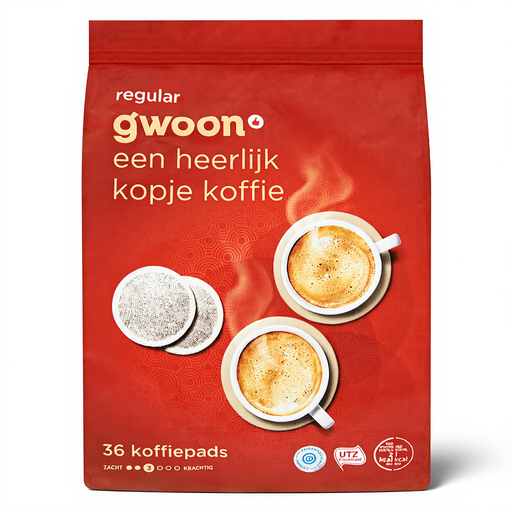
Why it suits this profile: This pack contains 36 pads and has an intensity of 6 - Regular according to the product information. This makes it a straightforward option for anyone who wants to try different Senseo coffee pads without immediately buying a large selection.
The product page explicitly states that the pads are compatible with Senseo and identifies them as coffee pads. This reduces the risk of accidentally ordering a capsule variety.
36 pads; 100% ground coffee according to the product information; regular roast with intensity 6.
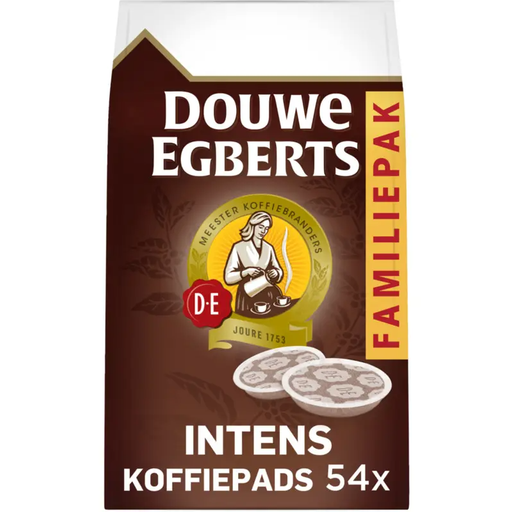
Why it suits this profile: This pack is aimed at households that make coffee regularly and enjoy a pronounced flavour. According to the product description, the blend consists of ground Arabica and Robusta beans and has an intensity of 7 - Strong.
The pack size of 54 pads is clearly stated. This makes it easier to match your supply to your daily consumption.
54 pads; 375 grams; flavour intensity 7; suitable for Senseo according to the product information.
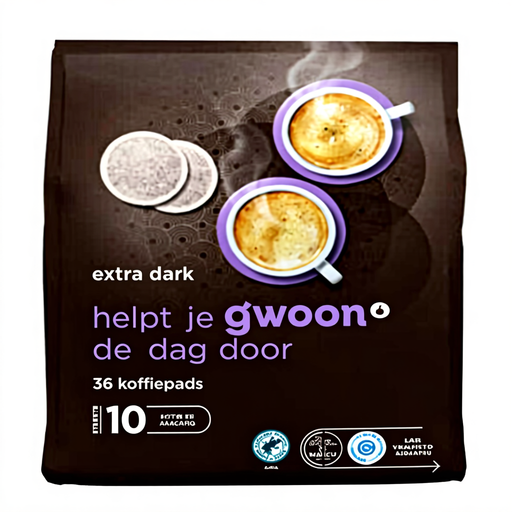
Why it suits this profile: Anyone deliberately choosing a very powerful roast will find a clear product specification here: intensity 10 - Very strong. The pack contains 36 pads and, according to the ingredients list, contains coffee only.
The roast and flavour intensity are clearly specified. This is more informative than relying on a marketing term such as “extra strong”.
36 pads; intensity 10; not a decaffeinated variety; ingredients: coffee.
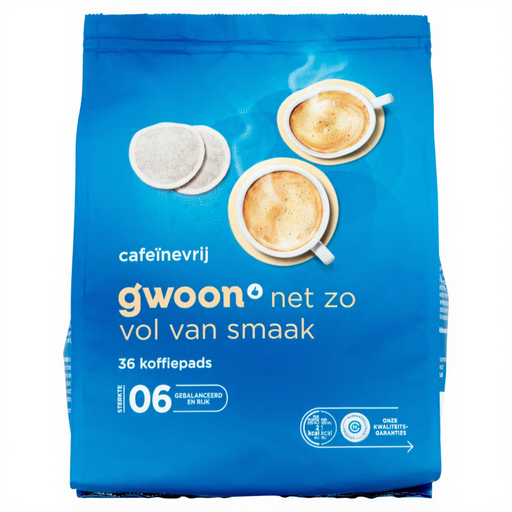
Why it suits this profile: This variety is intended for anyone looking for a cup of coffee without caffeine. The pack contains 36 pads, and the product information lists decaffeinated coffee as an ingredient.
The decaffeinated option is stated directly in the product description. Nevertheless, check the label and current ingredients list again when your order arrives.
36 pads; decaffeinated coffee; suitable for Senseo according to the product information.
We have put together a complete, up-to-date list of products that fully meet these strict selection criteria and the applicable European safety regulations.
No. Check that the product description explicitly states that the pads are suitable for Senseo or for pad machines. Capsules for Nespresso or Dolce Gusto have a different shape and are not intended for a Senseo pad holder.
Check the date on the packaging and store the pads in a cool, dry place away from direct sunlight. Reseal an opened pack properly to limit exposure to moisture and air. Do not use a product if the packaging is damaged.
That depends on the price, weight and how much coffee you drink. Calculate the price per pad and check whether you will use the entire pack before its best-before date. For a household making several cups every day, a larger pack, such as 54 pads, may be practical. For occasional use, a smaller supply can help prevent waste.
