
Vandaag of morgen in huis

Kwaliteit gegarandeerd

Welkomstaanbiedingen ontgrendelen: GRATIS bezorging | Tot 80% korting | Gratis 30 dagen JoyPlus-proefperiode
Download de app
When your faithful companion reaches their senior years, more changes than just a few grey hairs around their muzzle. Your dog or cat's nutritional needs change too. The market for senior pet food is vast and full of promises, which doesn't make the choice any easier. As a Joybuy Product Recommendation Officer, I'm here to help you filter through the information so you can make an informed decision that suits your ageing pet.
Many owners unwittingly fall into a few common traps:
To cut through the marketing noise, you can focus on a few concrete specifications. These characteristics form the foundation of high-quality food for older dogs and cats.
Older pets are often less active, which means their energy requirements decrease. A food with an adjusted, lower calorie content helps prevent obesity and the associated extra strain on their joints. At the same time, maintaining muscle mass is crucial. Therefore, choose a food with high-quality, highly digestible proteins that support muscles without unnecessarily burdening the body.
Stiffness and joint problems are common ailments in older animals. Many types of food for senior dog joints therefore contain additives like glucosamine and chondroitin. Manufacturers add these substances to support the joints. Look for the presence of these ingredients if your dog or cat has trouble getting up or moving around.
A sensitive digestive system can become more common in later life. According to manufacturers, ingredients like prebiotics (FOS and MOS) and an adjusted fibre blend (such as beet pulp) can contribute to a healthy gut flora. For dogs with a known or suspected intolerance, grain-free senior dog food is worth considering. This type of food uses alternative carbohydrate sources like sweet potato or peas.
Based on the criteria above, we have selected a number of products that suit different profiles of senior pets and their owners.
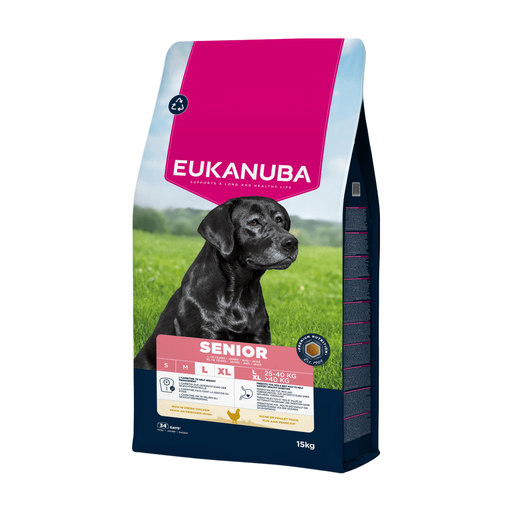
Why This Fits Their Persona: Specifically tailored to the lower energy needs and extra strain on the joints of large, older dogs. This is a targeted approach for a specific group.
It goes beyond a generic 'senior' label by offering a formula specific to large breeds, with a focus on weight management and joint health.
According to Eukanuba, this food contains glucosamine and chondroitin to support joints and L-carnitine to help with weight management.
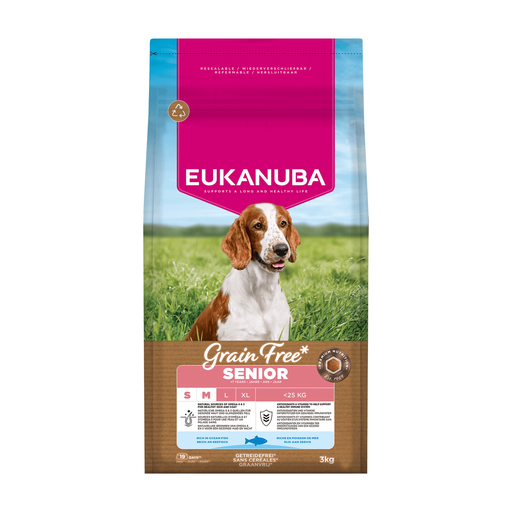
Why This Fits Their Persona: Ideal for owners who want to avoid grains due to suspected sensitivities in their dog. The ocean fish base provides an alternative protein source that is often well-tolerated.
Instead of focusing on a single 'miracle ingredient', it offers a complete, grain-free formula with sweet potato and peas as alternative, fibre-rich carbohydrate sources.
According to the manufacturer, this food contains prebiotics (FOS, MOS) and beet pulp for healthy digestion. The formula is free from chicken, which can be an advantage for dogs with allergies.
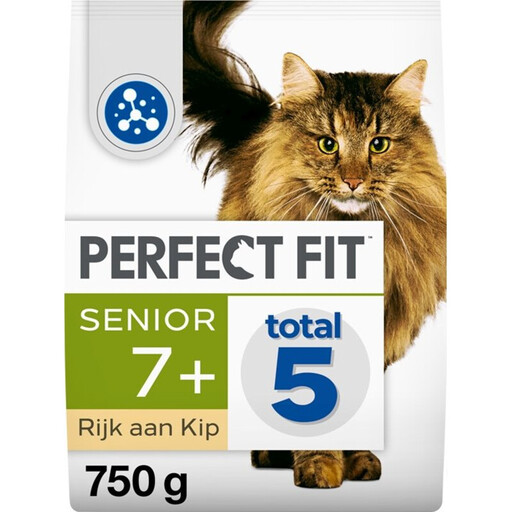
Why This Fits Their Persona: This senior cat food is designed for the general health needs of an ageing cat, focusing on vital functions like the urinary tract and immune system.
It offers a clear 'Total 5' formula that, according to the manufacturer Mars, addresses the 5 most common health needs, rather than making vague claims.
The 'Total 5' formula targets a strong immune system, healthy urinary tract, good digestion, optimal weight, and a healthy coat. It's an all-around approach.
We have compiled a complete, up-to-date list of products that fully meet these strict selection criteria.
This depends heavily on the breed and size. Here are some general guidelines:
Pay close attention to behavioural changes: is your pet sleeping more, less playful, or moving more stiffly? These are signs that a switch to food for older cats or dogs could be beneficial.
A sudden change in food can cause gastrointestinal upset. A gradual transition is the best method. Follow this schedule over a period of 7 to 10 days:
Keep an eye on your pet's stool and behaviour during the transition.
Not necessarily. Grain-free senior dog food is primarily intended for dogs with a diagnosed or strongly suspected grain intolerance or allergy. For most dogs, grains like corn and wheat in quality food are an excellent and easily digestible source of energy and fibre. If your dog has no issues with their current, grain-inclusive food, there is no compelling reason to switch.
