
Listening back while on the move
You take a small listening setup with you and want to listen back to speech despite travel or background noise. Fit and isolation matter; noise cancellation may be useful in noisy surroundings.


For seminar recordings in a compact setup, noise-isolating in-ear headphones are a sensible starting point if you want to reduce background noise while on the move. Choose over-ear headphones if long-wearing comfort matters more to you than the space they take up in your bag. The Dutch Consumers’ Association notes that over-ear headphones take up more room in a bag. Choose open-ear headphones if you want to stay aware of your surroundings, or opt for wired USB-C if your device supports that audio connection. None of these design choices proves that quiet or missing speech in a recording will become clearer.
You take a small listening setup with you and want to listen back to speech despite travel or background noise. Fit and isolation matter; noise cancellation may be useful in noisy surroundings.
You listen back to discussions for a long time and weigh the pressure on or in your ears against the extra bag space an over-ear model takes up.
You want to be able to hear your surroundings or connect easily to the device with the recording. Open-ear, wired USB-C and wireless multipoint are different options; check the connection for each device.
First decide whether you want to block out background noise or stay aware of it. Then consider long-wearing comfort and how the headphones connect to your device.
| Factor | What to look for | Who is this relevant to? |
|---|---|---|
| Disruptive background noise | Fit and isolation; check whether the model has noise cancellation. | When I’m listening on the move, I want less background noise without expecting earbuds to restore missing words. Around 36% of consumers prioritise a quieter listening experience. |
| Comfort during long sessions | Check whether the in-ear tips or ear cups feel comfortable and how much space the model takes up. | I want to be able to follow a recording for longer without pressure in or around my ears becoming uncomfortable. Around 29% of consumers prioritise long-wearing comfort. |
| Connection to your device | Check whether your device supports USB-C audio, a compatible analogue output or the Bluetooth connection you need. | When I listen on my own laptop, phone or tablet, I want the connection to work without extra steps. Around 21% of consumers put an easy connection first. |
| Staying aware of your surroundings | Choose between an open-ear design and noise-isolating earbuds with an ambient sound mode. | I want to be able to hear an announcement or someone next to me while listening. Around 14% of consumers prioritise staying aware of their surroundings. |
Noise cancellation is designed to reduce background noise while you listen. It won’t restore words that are missing or poorly recorded.
Try a potential purchase with a recording of your own, and don’t pay solely for an ANC feature in the expectation that it will restore missing speech.
Claimed playback time per charge may differ from the total battery life, including the case. Sony states that the WF-C710N offers up to 8.5 hours with noise cancellation on; Apple states that AirPods Pro 3 offer up to 8 hours per charge with ANC on.
Compare listening time per charge using the same ANC setting with the length of your sessions, and consider the case’s battery life separately.
Wired headphones will only work if your device supports audio through the connection you’ve chosen.
Check the audio output and, if necessary, the controls on the specific laptop, phone or tablet you’ll use to play the recording.
A manufacturer’s warranty is not the same as your legal rights. The Dutch government notes that the Netherlands has no fixed statutory warranty period.
Read the additional warranty terms and contact the seller if a product does not meet what you could reasonably expect.
The WF-C710N is a compact, noise-isolating in-ear model; the WH-CH720N is an over-ear model with a wired option.
The Tune Beam 2 is a compact wireless in-ear model; the Tune 310C USB is a wired USB-C option.
The AeroFit 2 is an open-ear alternative for anyone who wants to remain approachable while listening.
AirPods Pro 3 are a compact, noise-isolating option to compare if the fit and features suit your device.
These Joybuy products suit compact wired and wireless in-ear setups. Check the connection, fit and features for your device and the specific variant.
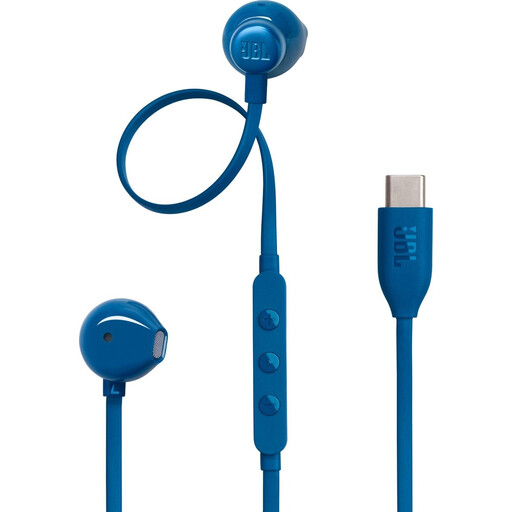 Image unavailable
Suits anyone who wants to listen over a wired USB-C connection; check that your device supports USB-C audio.
Wired; USB-C; blue.
 Image unavailable
Suits anyone looking for compact true wireless in-ear earbuds with ANC; check the fit and compatibility with your device.
True wireless; in-ear; ANC; black.
 Image unavailable
The product name mentions noise cancellation and a wired connection; check the connection and fit for your device.
Wired; black.
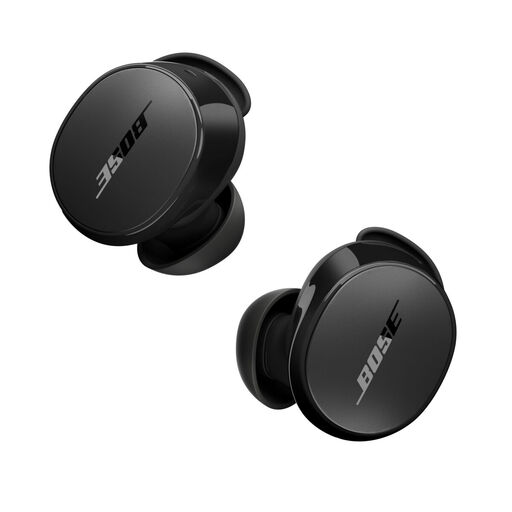 Image unavailable
These earbuds may suit a compact listening setup; check the connection, features and fit before choosing.
Black.
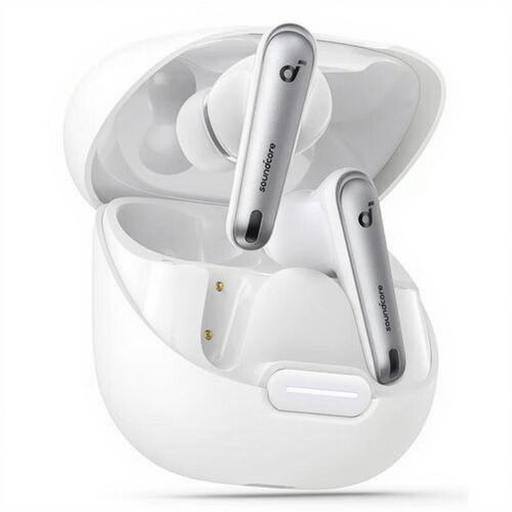 Image unavailable
Suits anyone looking for wireless Bluetooth in-ear earbuds; check the fit and the features you need for your device.
Wireless; in-ear; Bluetooth; white.
No. Noise cancellation is designed to reduce background noise while you listen; it won’t restore speech that is missing or poorly recorded. If possible, try playing one of your own recordings on the device you intend to use, at a comfortable volume.
Start at a low volume and take breaks. The World Health Organization recommends, among other things, using no more than 60% of your device’s maximum volume as a simple setting and, if you can measure the level, preferably keeping it below an average of 80 dB. Well-fitting headphones and noise cancellation can help reduce the temptation to turn up the volume in noisy environments.
No. A USB-C connection alone doesn’t guarantee audio compatibility. Check whether your laptop, phone or tablet supports audio over USB-C before choosing a USB-C model.
If a product does not meet what you could reasonably expect, you can exercise your legal rights with the seller; the Dutch government notes that the Netherlands has no fixed statutory warranty period. For online purchases from a business, you’ll often have a 14-day cooling-off period, with some exceptions. Check which terms apply to your purchase; the cooling-off period and your rights regarding a faulty product are separate matters.
You shouldn’t assume you can do so without checking the rules for the specific recording. In the context of online education, the Dutch Data Protection Authority advises educational institutions to agree on how recordings are made, stored and used. Ask the institution and the people involved about the rules for the seminar in question; buying headphones does not give you the right to record.