
当日/次日达

品质保障

开启新人专享福利: 全场免邮 | 低至 2 折 | 免费试用 30 天 JoyPlus 会员
下载 Joybuy
Semi-skimmed milk is a regular choice on the shopping lists of many Dutch households. You might use a carton at breakfast, in coffee, pancakes, sauces or baking recipes. However, the different options can vary considerably in shelf life, composition, packaging and suitability for your household.
Pay particular attention to these three common pitfalls:
Semi-skimmed milk generally contains around 1.5% fat. The precise nutritional values vary from product to product. The available product information shows that several options contain around 49 kcal and 1.5 grams of fat per 100 ml. Always check the current packaging, as recipes, labels and packaging may change.
With UHT milk, the milk undergoes heat treatment to extend its shelf life while the packaging remains unopened. This makes long-life semi-skimmed milk suitable as a store-cupboard staple for households with limited fridge space, holiday homes or anyone who does not shop every day.
Check the following when buying:
Long-life milk can be used as a drink, but also as milk for coffee and cooking. A neutral semi-skimmed variety is often practical for cappuccino, porridge, soup, batter and desserts.
If you are looking for organic semi-skimmed milk, check the organic certification mark and the ingredients list. According to the product information, Bio+ Organic Long Life Semi-Skimmed Milk is organic, long-life semi-skimmed milk in a 1-litre pack. The nutritional information includes 1.5 grams of fat and 3.5 grams of protein per 100 ml.
According to the stated ingredients list, this variety contains milk and lactose. Organic therefore does not automatically mean lactose-free. Always check the label if you have specific dietary requirements.
Lactose-free milk is intended for consumers who want to avoid lactose. According to the product information, Melkan Lactose-Free Half-Skimmed Milk contains milk and provides 1.6 grams of fat, 3.2 grams of protein and 120 mg of calcium per 100 ml. This variety is UHT-treated and available as an individual 1-litre carton or as a multipack of 6 x 1 litre.
Please note: lactose-free does not mean dairy-free. The product information lists milk as an allergen. Anyone who needs to avoid milk completely will need to choose a different product category.
Semi-skimmed milk usually has a fat content of around 1.5%. Also compare the levels of energy, carbohydrates, protein, salt and calcium. The sugars in ordinary milk are generally naturally occurring milk sugars, so check the ingredients list rather than looking only at the carbohydrate figure.
A Nutri-Score can help you compare similar products, but it is not a complete assessment of your daily diet. The Bio+ variety is stated to be part of a pilot scheme involving Nutri-Score. For up-to-date information, use the label on the product you receive.
An unopened UHT carton does not need to be refrigerated unless the packaging states otherwise. Store it away from direct sunlight and heat. Once opened, semi-skimmed milk must be kept refrigerated and used within the stated period.
A common mistake is opening several cartons at once. If you only use milk occasionally, it is better to open one carton at a time.
A litre is a common size for everyday use. A multipack of 3 or 6 litres may reduce the price per carton, but only if you use the milk within its shelf life and recommended period after opening.
For a small household, a single 1-litre semi-skimmed milk carton is easy to manage. For families, office consumption or regular cooking, a multipack may be more convenient. When comparing options, look at the price per litre rather than just the total pack price.
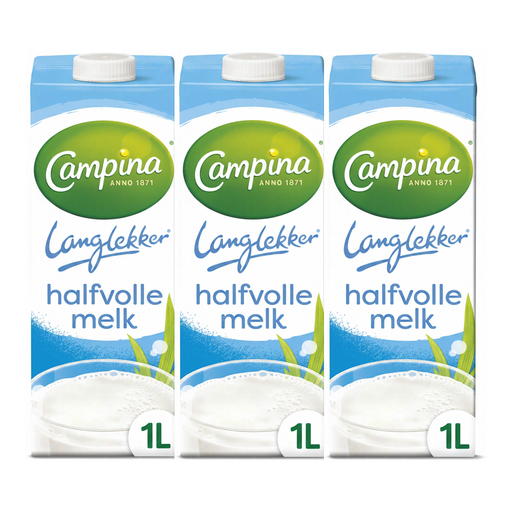
Why it suits this profile: A pack of three 1-litre cartons is practical if you regularly drink milk, make coffee or cook. According to the product information, this Campina variety contains 1.5 grams of fat per 100 ml and is UHT-treated.
The volume and sales unit are clearly stated, so you do not accidentally expect one litre and receive three cartons.
UHT storage before opening; suitable for drinking, coffee, baking and cooking; 3 x 1 litre.
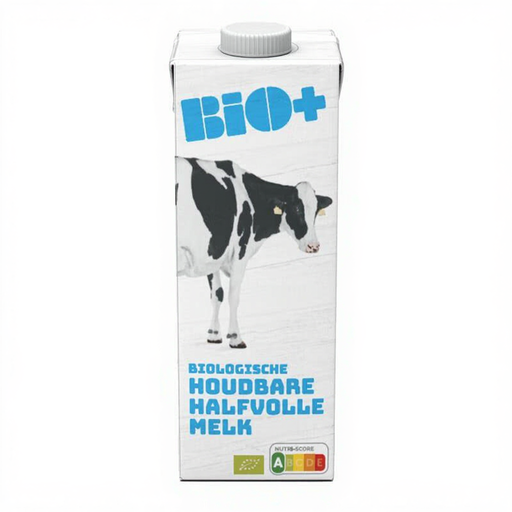
Why it suits this profile: This organic semi-skimmed milk is an appealing option for anyone looking to combine an organic product with the convenience of keeping a useful supply at home. The packaging highlights its organic credentials, UHT storage and fat content of 1.5 grams per 100 ml.
The product information makes it clear that organic does not mean lactose-free: lactose is listed as an ingredient.
Organic UHT milk; can be stored outside the fridge while unopened according to the product description; 1-litre pack.
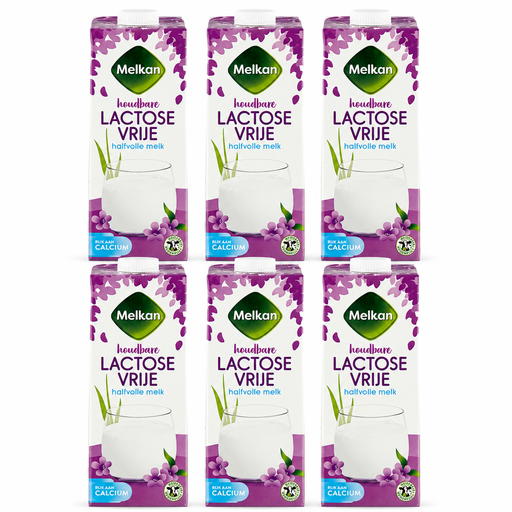
Why it suits this profile: A multipack is ideal for households that regularly use lactose-free milk for drinking, breakfast, coffee and recipes. The product information states 6 x 1 litre, UHT treatment and 120 mg of calcium per 100 ml.
The packaging explicitly describes it as lactose-free semi-skimmed milk. However, always check the current allergen information on the carton.
Lactose-free variety; 6 1-litre cartons; suitable for everyday use, cooking and baking according to the product description.
We have put together a complete, up-to-date list of products that fully meet these strict selection criteria and the applicable European safety regulations.
Yes. Semi-skimmed milk can be used in coffee, tea, porridge, sauces, soups, pancakes and baking recipes. The result depends on the recipe and the level of creaminess you want. For everyday use, a UHT variety is convenient if you do not shop frequently.
Once opened, long-life semi-skimmed milk must be stored in the fridge. Use the milk within the period stated on the packaging. The exact shelf life after opening varies by product. Smell and check the milk before use, and always follow the manufacturer’s instructions.
No. Lactose-free milk is processed to remove lactose, but it may still contain milk components. The Melkan lactose-free varieties list milk as an allergen. If you have allergies or specific dietary requirements, always check the current ingredients and allergen list.
That depends on the price per litre and how much you actually use. Divide the total price by the number of litres. A multipack is particularly practical if you use milk regularly and have enough storage space.
