
Vandaag of morgen in huis

Kwaliteit gegarandeerd

Welkomstaanbiedingen ontgrendelen: GRATIS bezorging | Tot 80% korting | Gratis 30 dagen JoyPlus-proefperiode
Download de app
Replacing a cupboard, interior door or windowsill is not always necessary. With self-adhesive furniture film, you can give a smooth surface a different colour or texture without painting or carrying out permanent renovations. This is ideal for DIY enthusiasts, tenants and homeowners who want to freshen things up on a limited budget.
However, not every roll of film will deliver a neat finish. Pay particular attention to these three common pitfalls:
The right choice therefore starts not with the colour, but with the surface, dimensions and application method.
Measure the length and width of the surface in several places. Walls, doors and older furniture may have slight variations. Add a few centimetres around the edges so that you can trim them neatly.
According to the product specifications, a roll of 500 x 90 cm furniture film is 500 cm long and 90 cm wide. Depending on the shape, this provides enough material for several smaller surfaces or one larger furniture panel. Check in advance how many square metres you need, and take the pattern direction and cutting waste into account.
When cutting furniture film to size, use a sharp craft knife or fine scissors. It is better to cut generously at first and finish the edges carefully afterwards. With a wood pattern, a strip that has been turned the wrong way is more noticeable.
Many varieties are made from PVC furniture film. PVC is relatively easy to wipe clean and, according to product information, may be moisture-resistant. This does not automatically mean that every film is suitable for prolonged contact with water, heat or steam.
Water-resistant furniture film can be practical for a bathroom cabinet, kitchen cabinet or windowsill, for example, but always check the specific instructions for use. Avoid direct heat sources and test the material in an inconspicuous area first.
Also consider the care requirements:
Wood-look furniture film or wood-coloured adhesive film can give a smooth MDF panel or simple cupboard a warmer appearance. The visible grain, sheen and colour may look different from what you see on screen, depending on the roll and the lighting.
Therefore, check:
A dark wood look can make minor damage less noticeable, while a lighter shade can make a room appear more calming.
For rented properties, removability is important. The product description of some self-adhesive varieties states that they can be applied and removed easily. However, the actual result depends on the paint layer, surface and length of use. Always test a small section first.
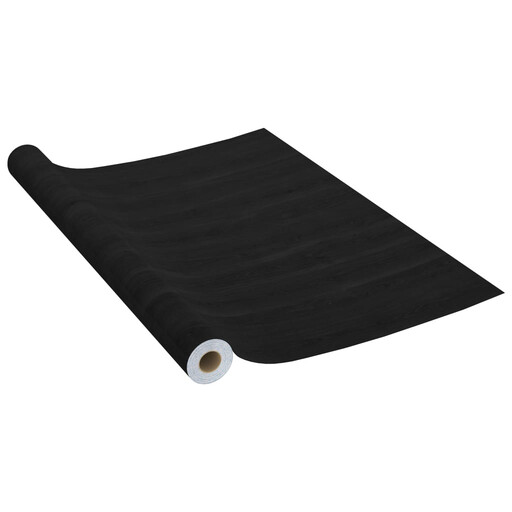
Why it suits this profile: The wide roll is practical for a first project involving cupboard doors, shelves or other smooth panels. The wood look is ideal for a simple interior update without painting.
The 500 x 90 cm dimensions make planning easier and limit the number of seams on suitable surfaces. The film is designed to be cut to size.
PVC material; according to the product information, it is moisture-resistant and can be wiped clean with a damp cloth. The listing states that it comes with a statutory EU guarantee of at least two years.
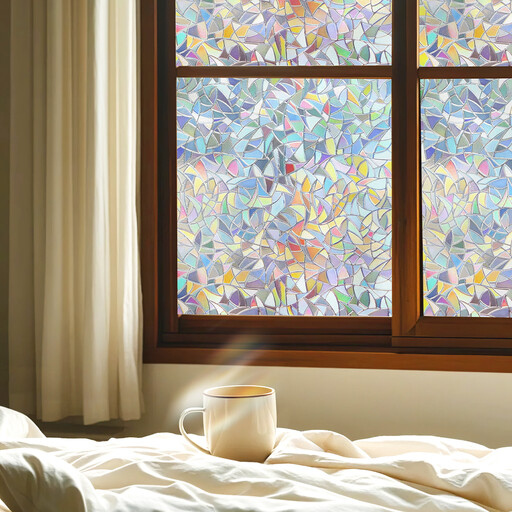
Why it suits this profile: Ideal for anyone who mainly wants to finish glass surfaces with a smart, modern look. This is window film rather than furniture film, but the material and dimensions make it relevant for windows, glass doors and display cabinets.
The product information refers to static adhesion rather than permanent adhesive. This allows you to position the film during installation, but first check that your glass is suitable.
Textured PVC; roll size of approximately 60 x 508 cm. According to the product description, the film is removable and can be cleaned with a soft, damp cloth.
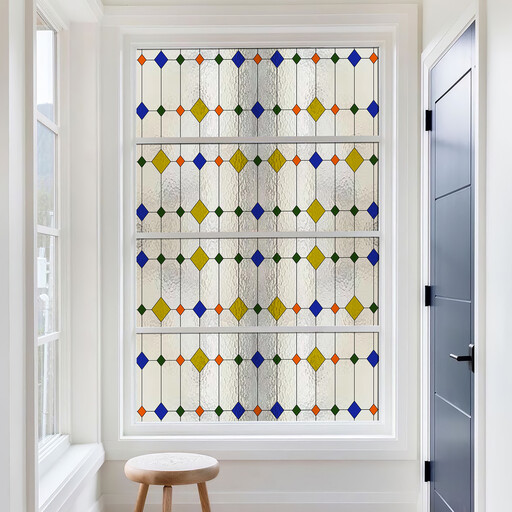
Why it suits this profile: Suitable for anyone wanting to decorate several glass surfaces, such as kitchen windows, glass doors or cabinet panels. However, the pattern requires careful alignment.
The roll measures approximately 60 x 508 cm and uses static adhesion without glue. This prevents adhesive residue, but requires a smooth, clean pane of glass.
Textured PVC with a prismatic diamond pattern. According to the product description, the film can diffuse light and has a wipe-clean surface.
We have put together a complete, up-to-date list of products that fully meet these strict selection criteria and the applicable European safety regulations.
No. The surface must be smooth, dry and free from dust and grease. Adhesion may be insufficient on untreated wood, heavily textured surfaces, flaking paint and upholstery. Test a small area before covering an entire piece of furniture.
Its lifespan depends on the quality of the surface, exposure to moisture and heat, everyday use and the application method. Product descriptions do not always specify a fixed service life. Therefore, check the care instructions and avoid prolonged exposure to heat and water.
Sometimes, but the result varies from one surface to another. If necessary, warm the film gently with a hairdryer and peel it off slowly at a low angle. On varnished or painted furniture, adhesive or paint may come away with it. Static window film is generally removed differently from self-adhesive film, so always follow the instructions for the product in question.
