
Vandaag of morgen in huis

Kwaliteit gegarandeerd

Welkomstaanbiedingen ontgrendelen: GRATIS bezorging | Tot 80% korting | Gratis 30 dagen JoyPlus-proefperiode
Download de app
A self-tanner can help you achieve a tanned look all year round, without having to lie in the sun. However, products vary widely in formula, intensity and ease of application. A self-tanner for the body also works differently from a bronzer for the face or a sunscreen designed to support tanning.
Most costly mistakes come down to three common misconceptions:
A self-tanner for the body often contains dihydroxyacetone, also known as DHA. This ingredient reacts on the skin’s surface to create a tanned appearance over time. The effect is temporary and fades gradually as the skin naturally renews itself.
A self-tanning cream or lotion is practical for everyday use. You can build up the colour gradually while caring for your skin. Pay attention to the undertone, though: a product for light to medium skin tones may be less visible on darker skin.
A self-tanning mousse often feels lightweight and is easy to spread using a tanning mitt. According to the product description, Hawaiian Tropic’s mousse is designed for the body and comes in Light/Medium and Dark. Even application is especially important when using a deeper shade.
Apply the product to clean, dry skin. Gently exfoliate dry areas beforehand, especially your knees, ankles, elbows and wrists. These areas often absorb more product. Wash your hands afterwards or use a mitt, and wait until your skin is dry before getting dressed.
A bronzer or bronzing powder doesn’t change your skin tone for long. It gives you instant colour and can be removed at the end of the day. That makes bronzer handy for your face, a special occasion or a quick touch-up.
A liquid bronzing drop, such as essence Drop Of Sunshine, can be applied directly or mixed with skincare or foundation, according to the product information. A powder bronzer, such as Benefit Hoola Matte, is suitable for adding warmth to your face and enhancing your features. These products don’t protect against UV rays unless the packaging specifically says otherwise.
Don’t just look for words such as “natural glow” or “sun-kissed”. Check the specific shade:
A natural-looking tan comes down to applying thin, even layers. Using more product in one spot won’t necessarily give you a more even result.
Choose a texture that fits your routine. A lotion is suitable for larger areas of the body and may contain glycerine or oils. A mousse often dries more quickly, but needs to be spread carefully. A cream feels richer and may be more comfortable on dry skin.
Check the full ingredients list, too. Fragrance, alcohol or certain colourants may not suit everyone. Test a new product on a small area of skin first and stop using it if irritation occurs. Claims such as “suitable for sensitive skin”, “vegan” or “dermatologically tested” come from the brand’s product information; check the packaging for the latest details.
A sunless self-tanner doesn’t protect against UV rays. If you’re going to be out in the sun, use a separate sunscreen with an appropriate SPF. SPF 30 is listed on several products in this selection, but no sunscreen offers complete protection.
According to their product descriptions, the NIVEA and Garnier sprays below offer UVA/UVB protection and have a water-resistant formula. This makes them different from an ordinary self-tanner. A brand claim about supporting tanning, for example with pro-melanin extract, should be understood as a claim made by the brand, not a guarantee of the same result for every user.
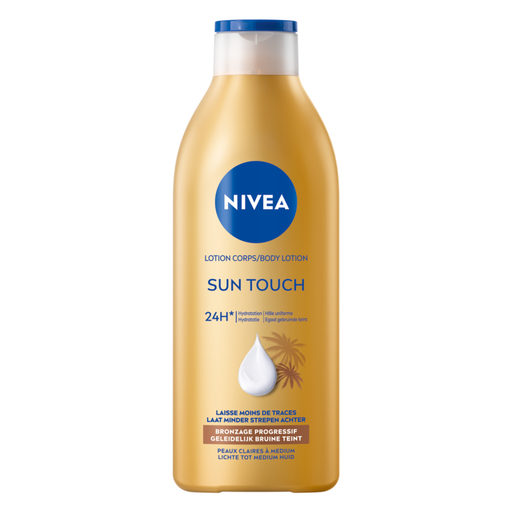
Why it suits this profile: This 400 ml lotion is designed for regular use on the body and, according to the product description, gradually builds up a tan.
The gradual build-up helps beginners control the colour, rather than going straight for a dark shade.
400 ml, lotion texture, designed for light to medium skin tones, with dihydroxyacetone in the ingredients list.
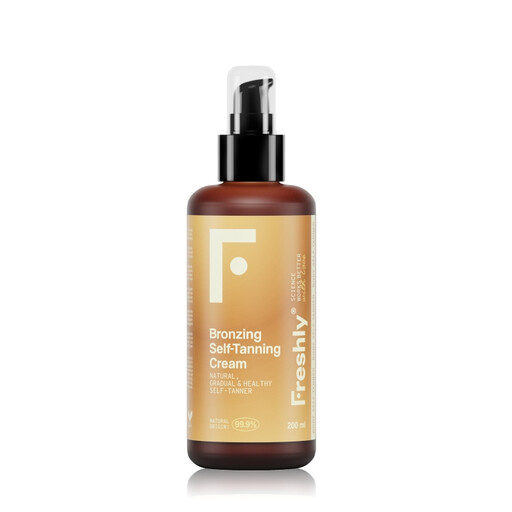
Why it suits this profile: This cream is aimed at users who pay attention to formula details, gradual colour and a nourishing texture.
The cream is designed to build up colour gradually, so you don’t have to rely on one heavy application.
200 ml, self-tanning cream, and, according to the product information, more than 99% ingredients of natural origin.
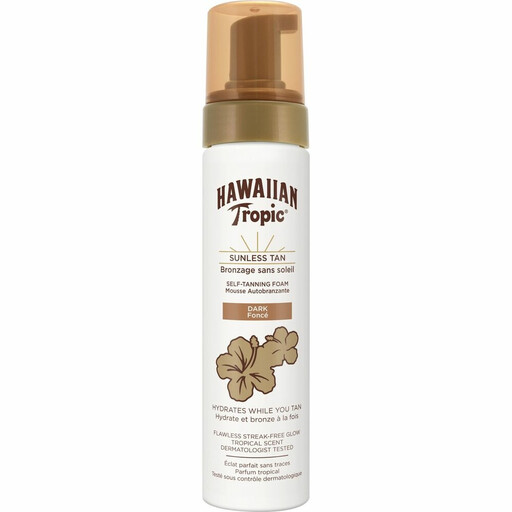
Why it suits this profile: The Dark mousse is designed for adults who want a more noticeable tan and are happy to apply it carefully in layers.
The instructions recommend using a tanning mitt, applying in circular motions and letting the product dry between layers. This helps prevent build-up and streaks.
200 ml mousse with a pump dispenser, and aloe vera and vitamin E, according to the product description.
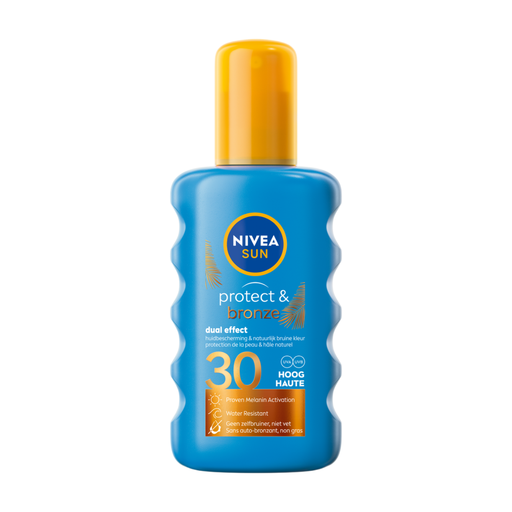
Why it suits this profile: This spray is designed for sunny days at the beach or by the pool, not as a sunless self-tanner.
The product description clearly states SPF 30, UVA/UVB protection and that it isn’t a self-tanner. That makes its purpose clear.
200 ml spray, SPF 30 and, according to the product information, a lightweight, water-resistant formula.
We’ve put together a complete, up-to-date list of products that meet these strict selection criteria and comply with current European safety regulations.
Clean and dry your skin first. Gently exfoliate dry areas and apply the product in thin, circular motions. Use less product on your knees, ankles, elbows and hands. Wash your hands afterwards and let your skin dry completely before getting dressed.
It varies depending on the formula, your skin type and your washing routine. A self-tanning lotion or mousse usually fades gradually as the top layer of skin renews itself. Regular moisturising and avoiding vigorous scrubbing can help the colour fade more evenly. Always check the product information for advice on how often to reapply.
Yes, but they serve different purposes. A self-tanner adds colour; it doesn’t replace sun protection. If you’re going to be out in the sun, apply a separate sunscreen with an SPF suited to the conditions. A product with SPF 30 may offer protection according to its label, but apply plenty and reapply after swimming, sweating or towelling yourself dry, following the instructions.
