Vandaag of morgen in huis

Kwaliteit gegarandeerd

Welkomstaanbiedingen ontgrendelen: GRATIS bezorging | Tot 80% korting | Gratis 30 dagen JoyPlus-proefperiode
Download de app
A robot vacuum with mopping capabilities and a self-emptying station is a significant investment in convenience. The promise is clear: spend less time cleaning. But with so many models and specifications, it's difficult to determine which device truly fits your home and lifestyle. The wrong choice can lead to frustration with a robot that gets stuck, misses corners, or requires more maintenance than expected.
This article provides a practical overview of the most important specifications and presents a selection of models. The goal is to help you make an informed decision based on factual product parameters.
The effectiveness of a robot vacuum depends on several technical specifications. Below are the key factors to consider.
Suction Power (Pascal - Pa): This number indicates the motor's strength. A higher value isn't always better, but it is crucial for specific situations. For hard floors, 2000-4000 Pa is often sufficient. If you have carpets or pets, a model with suction power of 5000 Pa or more is recommended to effectively remove deep-seated dirt and pet hair.
Navigation Technology: The way the robot maps your home determines its efficiency. LDS LiDAR (Laser Direct Structuring) is a common and accurate method that scans the room with a laser. This results in a precise map and systematic cleaning routes. Other systems use cameras or DToF (Direct Time-of-Flight) sensors, which can also be effective. A smart robot vacuum with an app allows you to manage these maps, set no-go zones, and create cleaning schedules.
Base Station Functionality: The base station is more than just a charging point. A robot vacuum with a self-emptying station suctions the robot's dustbin into a larger dust bag in the station. More advanced stations, often called self-cleaning robot vacuums, can also wash the robot's mop pads with clean water and even dry them with hot air to prevent mould and odours.
Mopping Technology: A 2-in-1 robot vacuum and mop can mop in several ways. Some models have a static mopping plate, while others use rotating or sonically vibrating mop pads for a more active scrubbing action. An important feature is 'mop-lifting'. This allows the robot to automatically lift its mop when it detects carpet, ensuring your rugs stay dry.
Battery Life: The battery life, expressed in minutes, determines the size of the area the robot can clean in a single run. For an average home, a battery life of 120-180 minutes is typically sufficient. Most robots automatically return to the station to recharge and then resume cleaning.
Based on the criteria above, we have selected three models that cater to different needs and situations.
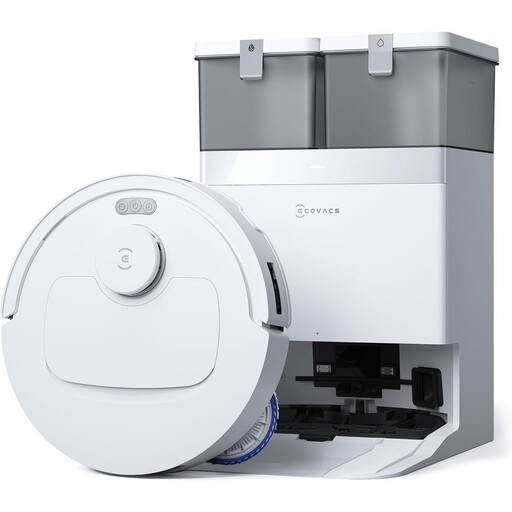
Why This Product: This model focuses on maximum automation. The OMNI station not only empties the dustbin but also washes the mop pads with 70°C hot water and dries them with 45°C hot air. Its extremely high suction power of 15,400 Pa and ZeroTangle 2.0 technology make it a powerful option for deep cleaning, especially on carpet.
Advantages:
Who It's For: Households with a mix of hard floors and carpet, pet owners, and users looking for the most comprehensive automation and minimal manual maintenance.

Why This Product: The Lefant M3L stands out with an exceptionally long battery life of 220 minutes, making it highly suitable for large living spaces. Combined with a powerful suction power of 12,000 Pa and an all-in-one base station, this model offers a solid balance of performance and endurance.
Advantages:
Who It's For: Residents of large houses or apartments who want a long, uninterrupted cleaning cycle. Its powerful motor also makes it a great choice for general use in various households.
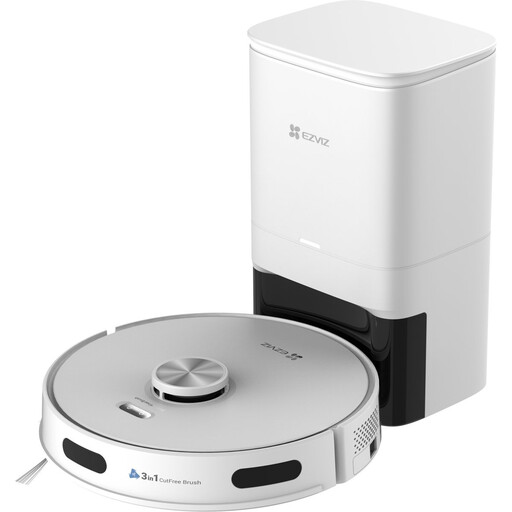
Why This Product: The EZVIZ RE5S Plus is a functional and reliable choice that offers the essential features: vacuuming, mopping, and a self-emptying station. Its suction power of 4000 Pa is adequate for hard floors and low-pile carpet. The LDS LiDAR navigation ensures a smart and systematic approach to cleaning.
Advantages:
Who It's For: Users looking for an affordable entry point into the world of robot vacuums with a self-emptying station. It's a practical solution for apartments and homes with predominantly hard floors.
The market for robot vacuums is vast, and specifications vary widely. You might be looking for a model with a different battery life, a more compact station, or a specific feature not highlighted here. The technology is evolving rapidly, and many configurations are available.
For a broader overview of models, you can browse our full robot vacuum with station category. There you will find a more extensive range to help you find the perfect device for your needs.
1. How well does a robot vacuum with a mopping function work on carpet? Modern models, like the Ecovacs DEEBOT T30C Pro, feature automatic mop lifting. As soon as the sensors detect carpet, the mopping module is raised. This prevents your carpet or rug from getting wet during a combined cleaning cycle.
2. How much maintenance does a self-cleaning robot vacuum require? Although a self-cleaning robot vacuum significantly reduces daily maintenance, it is not completely maintenance-free. You will need to periodically replace the dust bag in the station (usually every 1-3 months), refill the clean water tank and empty the dirty water tank of the station, and keep the robot's sensors and brushes clean for optimal performance.
3. Is a robot vacuum suitable for a home with pets? Yes, a robot vacuum can be very effective in a home with pets. Look specifically for models with high suction power (at least 5000 Pa) and brushes with an anti-tangle design (like the ZeroTangle technology). These features are specially designed to efficiently pick up pet hair without the brush getting jammed.