
Vandaag of morgen in huis

Kwaliteit gegarandeerd

Welkomstaanbiedingen ontgrendelen: GRATIS bezorging | Tot 80% korting | Gratis 30 dagen JoyPlus-proefperiode
Download de app
Refreshing a wall, cupboard door or feature wall without wallpaper paste or spending days on DIY sounds simple. But the wrong self-adhesive wall covering can quickly disappoint. A pattern that doesn’t line up, a roll that covers less space than expected or a surface with too much texture can all lead to extra costs and frustration.
This guide compares materials, sizes, uses and maintenance to help you choose between peel-and-stick wallpaper, PVC wall panels, wall film and decorative panels.
A 44 × 305 cm roll covers approximately 1.34 m². That’s suitable for a narrow feature strip, cupboard front or small section of wall, but not necessarily a whole wall. According to the product specifications, 60 × 508 cm rolls cover approximately 3.05 m² and reduce the number of joins on larger projects.
So don’t just measure the width and height of the wall. Remember to allow for:
For a larger wall, it’s practical to order all the rolls at once. Some products recommend using rolls from the same production batch for an even colour.
Self-adhesive wall coverings usually adhere most reliably to a smooth, flat, clean and dry surface. Dust, grease, loose paint and moisture can reduce adhesion. Textured wallpaper, rough brickwork and damaged walls may also show through thin wall film.
PVC wall panels and self-adhesive wallpaper aren’t automatically suitable for every wall. Test a small, inconspicuous area first. In a rented property, it’s especially wise to check how easily the covering can be removed and the condition of the paintwork beforehand.
Many options have a PVC surface that can be wiped with a damp cloth. That makes them practical for everyday care, but wipeable wall coverings aren’t the same as materials designed for a shower wall or directly behind a hob.
Always check the usage restrictions. Various products are intended for dry areas and should be kept away from naked flames, high heat and prolonged exposure to water.
Most of the options in this selection are made from PVC vinyl. This material has a smooth or lightly textured surface and is described in the product information as wipeable with a damp cloth. Some 3D wall panels combine PVC and EVA. These panels are thicker, flexible and have a raised texture.
Pay attention to the difference between appearance and material. A woodgrain, marble or brick design doesn’t mean the panel is made from real wood, stone or ceramic. The options mentioned here are decorative PVC designs.
The size helps determine what the wall covering is suitable for:
Accurate alignment is more important with designs featuring straight lines, such as tiles, slats or diamonds, than with mottled or organic patterns.
A neat finish starts with a grease-free surface and a straight guide line. Then follow these steps:
Afterwards, clean the surface with a soft, damp cloth. Avoid abrasive cleaners, as they can damage the print or top layer.
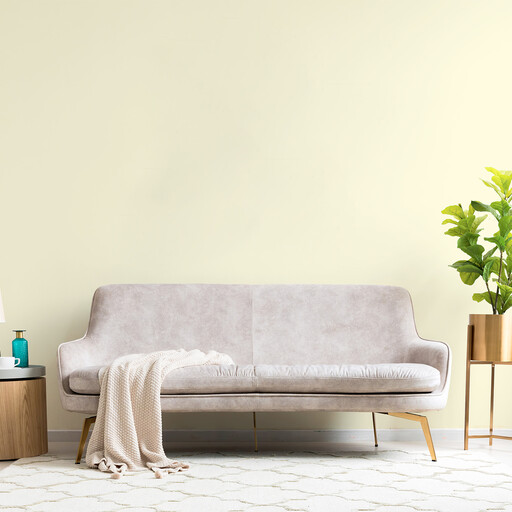
Why it suits this type of user: The warm, neutral colour is easy to pair with wood, white, beige and grey. The 60 × 508 cm roll covers approximately 3.05 m², making it suitable for a larger feature wall.
The longer roll reduces the number of joins. The product information recommends using a straight guide line, applying it slowly and testing a small area first.
PVC vinyl, approximately 3.05 m² per roll and a surface that, according to the product description, can be cleaned with a damp cloth.

Why it suits this type of user: The rich wood tone is designed for a coordinated wall, cupboard fronts or wardrobe doors where pattern direction and fewer joins are important.
The wide, long roll helps reduce the number of visible joins. The instructions emphasise keeping the grain direction consistent and applying it to a smooth surface.
Approximately 3.05 m² of coverage, PVC vinyl and a wipeable surface according to the product description.
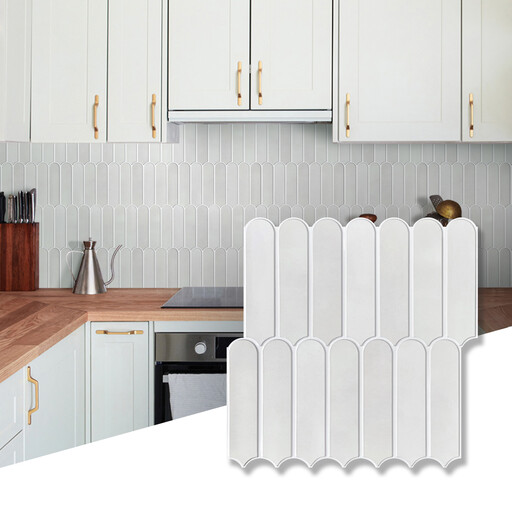
Why it suits this type of user: These 3D tiles are a good choice if you want a textured, tile-like look in a kitchen, bathroom or feature area, without using grout.
The panels can be cut individually and applied to a flat, clean surface. The instructions do, however, warn against using them on shower walls or floors, or in direct contact with heat.
PVC and EVA, 30 × 30 cm per tile, 3 mm thick and approximately 0.9 m² of coverage per set of ten.
We’ve put together a complete, up-to-date list of products that meet these strict selection criteria and the applicable European safety regulations.
Yes, as long as the paint is firmly attached and the wall is smooth, clean, dry and flat. Remove any dust and grease, and test a small area first. Adhesion may be less reliable on porous, damaged or heavily textured walls.
How long it lasts depends on the surface, humidity, temperature and level of wear. Proper preparation and pressing the joins down firmly help prevent the edges from lifting. Always follow the product’s specific installation and care instructions.
Use it only in a dry area, unless the product information specifically states that it can be used elsewhere. Avoid shower walls and areas exposed to constant water, steam or heat. Self-adhesive wallpaper may be more practical for a cupboard front, bathroom cabinet or section of wall outside the direct splash zone.
