
Vandaag of morgen in huis

Kwaliteit gegarandeerd

Welkomstaanbiedingen ontgrendelen: GRATIS bezorging | Tot 80% korting | Gratis 30 dagen JoyPlus-proefperiode
Download de app
Seeds and kernels are versatile: enjoy them as a snack, mix them into bread dough, sprinkle them over a salad or use them to garnish noodles and rice. Yet the choice online can sometimes seem clearer than it really is. A pack with an appealing flavour name, for example, tells you little about its salt or sugar content. A small pack for everyday use may also work out more expensive than a larger one.
With this practical guide, you can compare seeds and kernels by ingredients, preparation, packaging and use. It’ll be easier to find pumpkin seeds, sunflower seeds, sesame seeds or Asian snacks to suit your eating and cooking habits.
Roasted seeds with tea, caramel or coconut flavour are designed to be enjoyed as a ready-to-eat snack. They often contain more ingredients than a plain product. Seasoned sunflower seeds, for example, may contain added salt, sugar, sweeteners and flavourings.
Want to bake or cook with them? Choose a product with one ingredient, such as pumpkin seeds, white sesame seeds or black sesame seeds. A flavoured option can be just the thing for a snack, as long as you check the label.
The label unsalted pumpkin seeds is useful, but always check the full product information. If the ingredients list says only “pumpkin seeds”, no salt has been added. Salt levels can vary considerably between roasted snack options.
When comparing products, check the nutritional information per 100 g. This makes larger and smaller packs easier to compare.
A large bag may seem like good value, but seeds can lose their crunch once opened if the pack doesn’t seal properly. Small packs are handy if you only use them occasionally, while a 340 or 500 g bag may make more sense if you bake regularly or prep meals in advance.
Also check whether the seeds come with their shells on. With some sunflower seeds, only the kernel is edible. That makes them less suitable if you want a snack you can enjoy without any preparation.
Start with the ingredients list. A short list makes it clearer what you’re buying:
A product that doesn’t contain any of the 14 major EU allergens isn’t automatically suitable for everyone. If you have an allergy, always read the current label and check the warning about possible cross-contamination.
Roasted seeds usually have a more pronounced aroma and a crunchy texture. They’re handy as a topping for noodles, salads, yoghurt or bread. Raw sesame seeds or pumpkin seeds give you more control when cooking, as you can roast them yourself.
Check the product description: “roasted” doesn’t automatically mean “unsalted”. Preparation and added ingredients are two separate things.
Compare the pack size and the information per 100 g. For seasoned snacks, salt, sugar and sweeteners are particularly important to check. For plain seeds, the table will often show mainly fats, protein and carbohydrates. These values describe the product’s composition; they aren’t a medical assessment of the product.
Store seeds and kernels as directed on the pack: in a cool, dry place away from direct sunlight. Seal the bag or jar tightly after opening. Smaller packs can be handy if you want to try a flavour first; larger packs are better suited to frequent use.
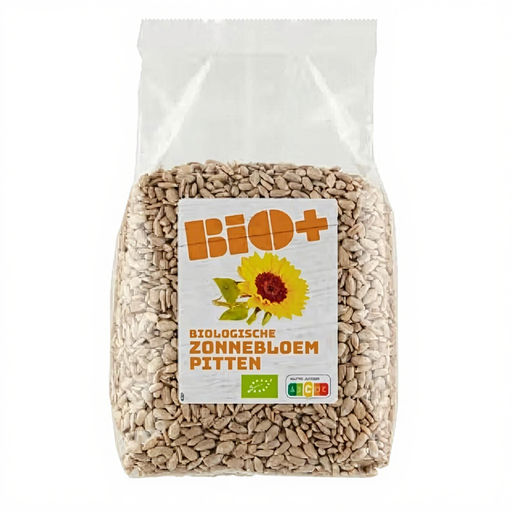
Why it suits this profile: The 500 g bag is practical for everyday use in bread and salads, or as a simple snack. According to the product information, it contains sunflower seeds from organic farming.
The ingredients list names sunflower seeds and nothing else. So there are no flavourings, salt or sweeteners to pick out from a snack mix.
500 g pack; organic origin according to the product information; suitable for snacking and cooking.
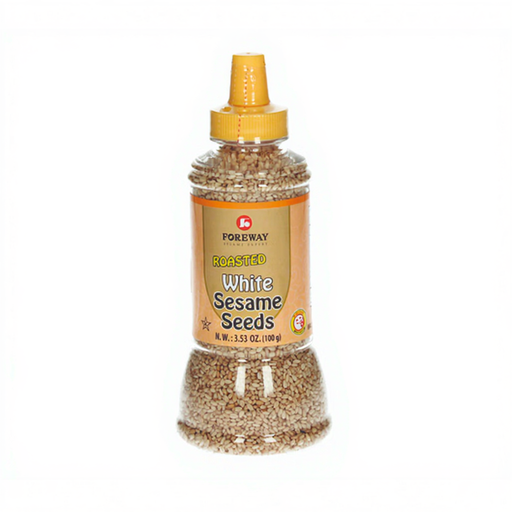
Why it suits this profile: If you often cook Asian dishes, this ready-to-use topping is ideal for sushi, noodles, salads and hot dishes.
The product information states that it contains 100% roasted white sesame seeds. Before buying, check the current allergen information on the label.
Roasted; 100 g in an easy-to-use shaker bottle; suitable for Asian and international dishes.
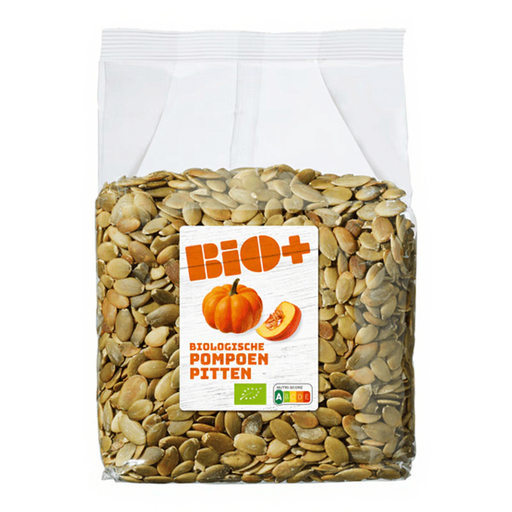
Why it suits this profile: The generous pack size is ideal if you bake regularly, make granola or sprinkle pumpkin seeds over soups and salads.
According to the product information, the pack contains only pumpkin seeds from organic farming, with no flavour mix or added salt listed.
500 g pack; versatile for baking, cooking and snacking; store in a cool, dry place as directed.
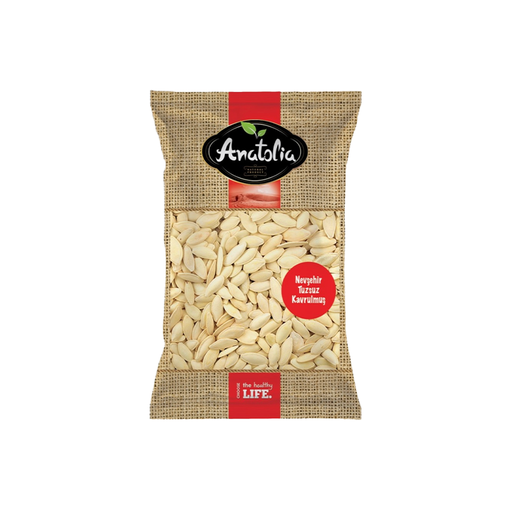
Why it suits this profile: This Turkish-style option is made for snacking straight from the pack and can also be added to salads, soups, breakfast cereals and baked goods.
The product information describes roasted, unsalted pumpkin seeds. If you have an allergy, check the current packaging, as the product page also mentions a warning about seeds and nuts.
340 g pack; roasted and unsalted according to the product information; suitable for snacking and cooking.
We’ve put together a complete, up-to-date list of products that meet these strict selection criteria and the applicable European safety regulations.
It depends on how you plan to use them. Plain pumpkin seeds, sunflower seeds and sesame seeds work in a variety of dishes. Check the serving size, ingredients and nutritional information, and vary what you eat as part of a balanced diet.
Black sesame seeds are dark in colour and are often used to garnish rice, noodles, bread and desserts. White sesame seeds are also suitable for cooking and baking, and are often available roasted. The flavour and texture vary by brand and preparation method, so check whether the seeds are raw or roasted.
Store the pack in a cool, dry place away from direct sunlight. Seal the bag or bottle tightly to keep out moisture and help preserve the crunch. Always follow the storage instructions on the label, and don’t use the product if the packaging is damaged.
