Looking for a crunchy base for lunch? The Netherlands Nutrition Centre recommends checking first whether toast, crackers or crispbread are labelled wholegrain; visible seeds alone don’t tell you that. Then choose the shape and seeds you prefer, and compare the nutritional information and allergens on the packaging of the variety you want to buy.
Who is this choice relevant to?
For those who prioritise wholegrains and fibre
You want to choose a crunchy lunch base based on more than the seeds shown on the front of the pack. The Netherlands Nutrition Centre recommends starting with wholegrain products; then compare the fibre and salt per 100 g on similar packaging.
For those looking for seeds and a satisfying crunch
You want to see seeds listed in the ingredients and are looking for a cracker or crispbread to top. Check the allergen information too: the seed products described by Bolletje include cereals containing gluten and sesame.
For those mainly looking for a practical toast shape
You may prefer thin Melba toast to sturdy crispbread, or want an alternative you can pick up in store. Check the wholegrain labelling for each variety and look at the current range before relying on a specific product.
What should you look for when choosing?
First decide whether you want a wholegrain base; then consider how many seeds you’d like, the shape and the ingredients. The percentages below each relate to consumers for whom one of these factors is the main purchase priority.
| What to consider |
What to check |
Who it matters to |
| Wholegrains and fibre |
Look for the wholegrain label and, when comparing similar products, compare the fibre and salt per 100 g. |
If I want to build my lunch around a wholegrain base, I don’t want to judge by visible seeds alone. For around 33% of consumers, a wholegrain base comes first. |
| Seeds and texture |
Check which types of seeds are listed and, where stated, their proportions; choose between thin toast, crackers and sturdier crispbread. |
I’m looking for a crunchy shape with plenty of visible seeds to top. Around 27% of consumers give seeds and texture top priority. |
| Ingredients and allergens |
Read the ingredients and allergen information on the specific pack, including any warnings about possible cross-contamination. |
If I need to avoid sesame or gluten, the information on the packaging determines whether a product is suitable for me. Checking ingredients is a priority for around 20% of consumers. |
| Availability |
Check whether the variety you want is available online or in store, and look at the packaging before buying. |
I want to be able to pick up a crunchy lunch base without relying on one specific variety. Availability is the top priority for around 20% of consumers. |
Common mistakes
-
Assuming seeds mean it’s wholegrain
Seeds or several types of grain in a product name don’t automatically mean that the toast or crackers are wholegrain. The Netherlands Nutrition Centre distinguishes between products made entirely with wholegrain cereals and those containing only some wholemeal flour when it comes to the wholegrain label.
Check the wholegrain labelling separately, then compare the seeds, fibre and salt.
-
Relying on the words ‘sesame’ or ‘multigrain’
Those words don’t tell you how many seeds a variety contains or what else is in it. The Netherlands Nutrition Centre says ingredients are listed on the label in descending order by weight.
Read the ingredients list and compare the nutritional information per 100 g on the packs you’re considering.
-
Checking allergens online only
The seed crackers and crispbread described by Bolletje include cereals containing gluten and sesame. Ingredients and warnings can vary between products.
If you have an allergy, use the current packaging of the variety you’ve chosen as your guide, and look out for warnings about possible cross-contamination too.
-
Assuming it will always be available
A product range page doesn’t guarantee that a product will still be available in the same way later on. Lidl lists Melba toast as an in-store product; the Jumbo page checked for Jos Poell Wholegrain Toast said it was no longer available online.
Check what’s currently available before choosing a specific type of toast, and consider whether wholegrain crackers or crispbread would also work for your lunch.
If you’re relying on one particular variety, you may need to make an extra trip to the shops.
Brands to compare
Bolletje
Useful for comparing seeded crackers with crispbread as a crunchy lunch base.
- Bolletje says its 45% Zadencrackers Zonnebloempitten contains 45% seeds and has a wholegrain base. For Oerknäck Waldkorn, the brand lists sunflower seeds, sesame and linseed.
- The varieties described contain cereals with gluten and sesame. Check the ingredients and warnings on the current packaging.
Van der Meulen Melba
Worth comparing if you’re looking for thin Melba toast rather than a sturdy cracker.
- Jumbo lists wholegrain, multigrain and sesame varieties among this range.
- Check the wholegrain labelling, ingredients and allergens on the pack you choose; the variety name alone doesn’t give you the full picture.
Goud Gebakken
ALDI own brand, with separate listings for seeded crackers and crispbread.
- ALDI describes its robust crispbread and robust crackers as wholegrain products with seeds.
- Check which variety is available in store and read the packaging for the exact ingredients.
Jos Poell
A point of comparison for wholegrain toast in a familiar toast shape, rather than a product specifically known for a high seed content.
- The Wholegrain Toast described by Jumbo lists wholemeal wheat flour.
- The Jumbo listing checked no longer offered this product online. If you’re looking for an alternative, check current availability and the allergens on the packaging.
Crackers and crispbread on Joybuy
These products are crackers and crispbread for anyone looking for a crunchy lunch base. Check the packaging you choose for wholegrain labelling, seeds, nutritional information and allergens; this list doesn’t include Melba toast.
 No image available
Wasa High-Fiber Crackers 300 g
A cracker worth comparing if fibre is an important consideration for your lunch. Check the nutritional values per 100 g and, if you have an allergy, read the pack for information about cereals, sesame and any warnings.
View on Joybuy
 No image available
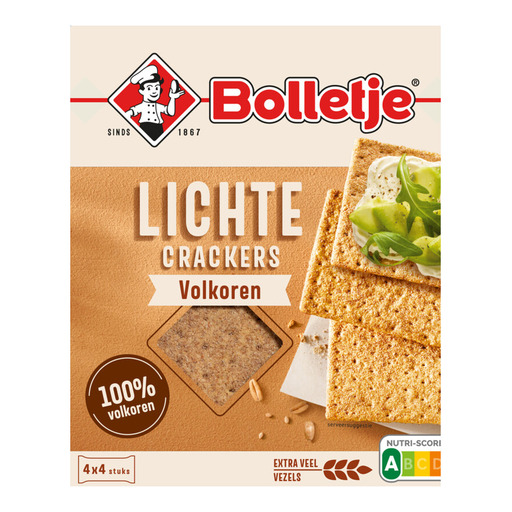
Bolletje Light Whole Grain Crackers 190 g
A cracker for anyone who uses the wholegrain label as their first selection criterion. Compare the current nutritional information and check the packaging for sesame and cereals containing gluten; don’t assume the name Light means it has a particular nutritional value.
View on Joybuy
 No image available
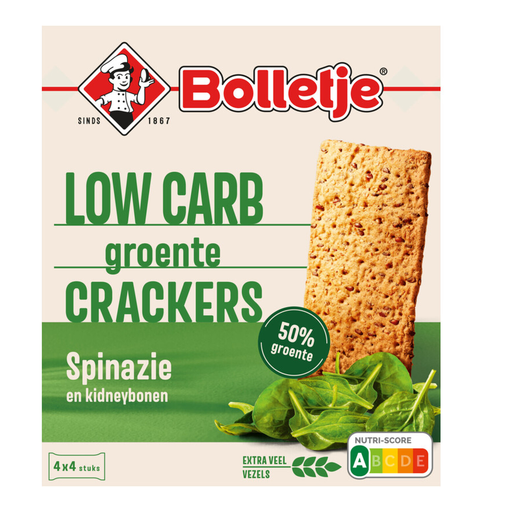
Bolletje vegetable crackers with spinach, 16 pieces
A cracker to consider if you’re looking for a vegetable variety as well as seeds. Check the pack to see how many seeds the variety you’ve chosen contains, and check the wholegrain labelling and allergens separately.
View on Joybuy
 No image available
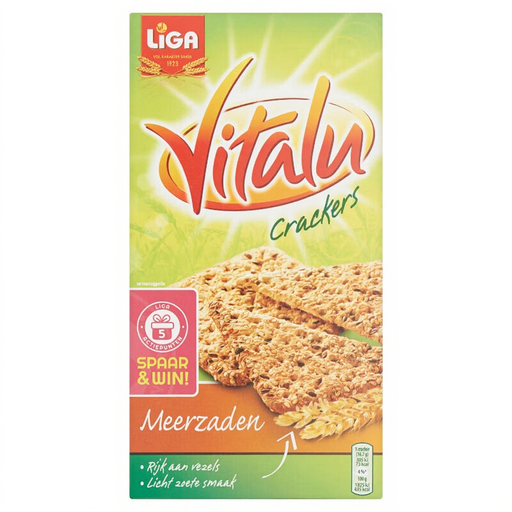
Lu Vitalu Multiseed Crackers 200 g
A cracker to consider if you like a mix of seeds. Compare the ingredients and nutritional information on the pack, and check the wholegrain base and allergens before choosing.
View on Joybuy
 No image available
Bolletje wholegrain crispbread 265 g
Crispbread for anyone who prefers this shape to thin toast as a lunch base. Check the packaging to see which seeds it contains, and if you have an allergy, look for information about sesame and cereals containing gluten.
View on Joybuy
Frequently asked questions
Is seeded toast automatically a good choice for lunch?
No. Seeds alone don’t tell you whether toast is wholegrain or what else the product contains. The Netherlands Nutrition Centre recommends wholegrains as a starting point for lunch; then check the ingredients and nutritional information for the toast or crackers you’re considering.
What should I look for if I need to avoid sesame or gluten?
Read the ingredients and allergen information on the packaging of the specific variety. Look out for warnings about possible cross-contamination too; the seed products described by Bolletje include sesame and cereals containing gluten.
How do I keep opened toast or crackers crisp?
Store them in a tightly sealed container in a cool, dry, dark place, as the Netherlands Nutrition Centre recommends for toast and crispbreads. Follow any different storage instructions on the packaging.


