What should you look for when choosing?
First decide whether you want a thin base for toppings or a cracker you can eat on its own. Then compare the nutritional information and allergens for the varieties that suit how you plan to use them.
| What to consider |
What to check before buying |
Especially useful for |
| Fibre and salt |
Compare fibre and salt per 100 g, and check the ingredients too. |
If I’m keeping an eye on fibre, I also want to see how much salt the variety contains. For around 33% of consumers, this nutritional comparison would be the main consideration. |
| Toppings and texture |
Check whether the shape suits small toppings or eating without a topping; compare a stated sesame percentage only if it’s available for both products. |
I look for a different shape for small topped bites than for a cracker I’ll eat on its own. For around 27% of consumers, toppings and texture would come first. |
| Allergens |
Read the current ingredients list and check both the ‘contains’ and any ‘may contain’ statements. |
If I need to avoid an allergen, I want to check the packaging for that exact variety before deciding. For around 20% of consumers, this would be their first priority. |
| Packaging and availability |
Check the quantity, packaging and whether the variety you want is available where you shop. |
If I want to enjoy the toast over several coffee breaks, the packaging needs to suit that too. For around 20% of consumers, this and availability would carry the most weight. |
Products to enjoy with your coffee
These products suit the cracker option or make a crunchy snack that’s ready to eat. The cheese sandwich isn’t a neutral toast base for your own toppings.
 No image available
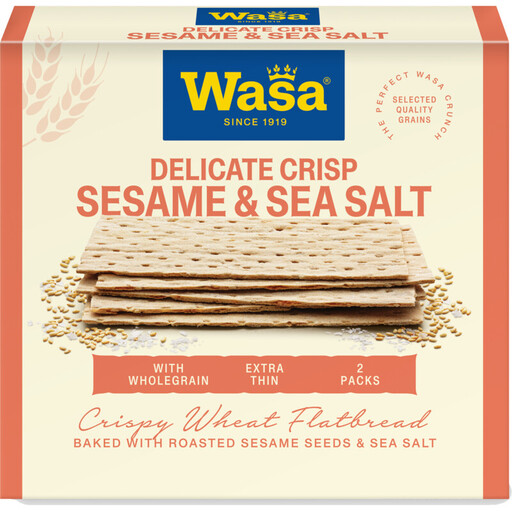
Wasa Thin Crisp Sesame – 190 g
A thin sesame cracker to consider if you’d like something to eat with or without a topping alongside your coffee.
Compare fibre and salt per 100 g on the current packaging, and check the allergen information if it’s relevant to you.
View at Joybuy
 No image available
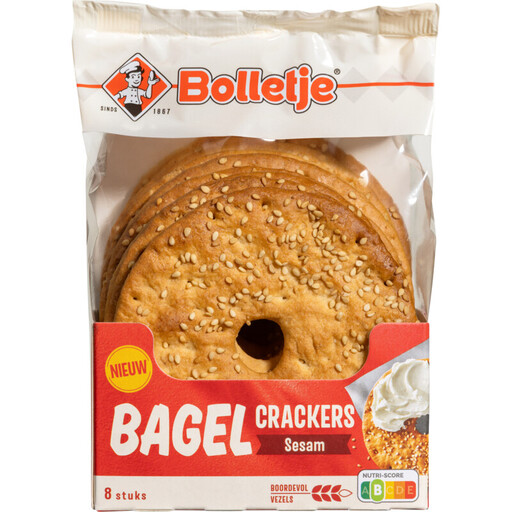
Bolletje Bagel Crackers Sesame – 225 g
For anyone looking for a sesame cracker that Bolletje says can be eaten with or without a topping.
Bolletje lists 7.6% roasted sesame seeds and wheat, barley and sesame as allergens. Check the current packaging before buying.
View at Joybuy
 No image available
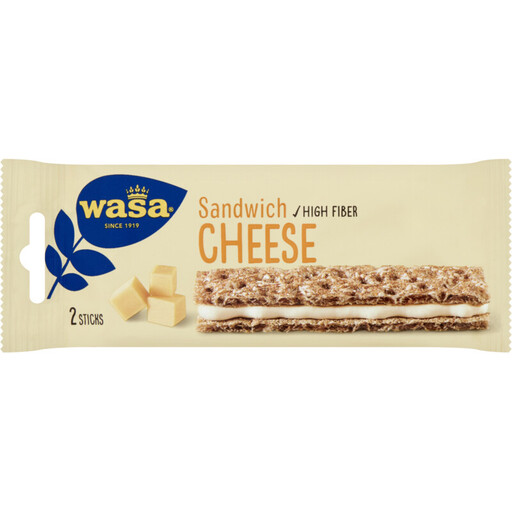
Wasa Cheese Sandwich – 3 x 31 g
A ready-made cheese sandwich for anyone who isn’t looking for plain toast to top themselves.
If you’re comparing it with sesame products, check the ingredients and allergens on the current packaging.
View at Joybuy
Frequently asked questions
Is wholemeal melba toast with coffee automatically the lower-salt choice?
No. According to the product information at Albert Heijn, Van der Meulen Wholemeal Melba Toast contains 9.7 g of fibre and 1.9 g of salt per 100 g, compared with 5 g of fibre and 1.2 g of salt per 100 g for the sesame variety. So, compare fibre and salt together, using the same basis.
Can I choose sesame toast if I need to avoid sesame or gluten?
Don’t rely on the category name alone. The sesame products reviewed list sesame and also contain wheat or other cereals containing gluten. For a specific variety, check the current ingredients and allergen information on the packaging.
Does toast in the Netherlands always contain iodised baker’s salt?
Don’t assume so. Brood.net Professionals says the use of iodised baker’s salt is not a general legal requirement; in 2008, the Staatscourant published an agreement on its use. Check the ingredients list of the toast you want to buy.
How should I store crackers after opening?
Follow the storage instructions on the packaging you choose. For Bolletje Bagel Crackers, the product information at Joybuy says to store them in a cool, dry place and keep the pack tightly closed after opening.


