When choosing breakfast for a toddler, don’t rely on the word ‘multigrain’ alone. Compare the wholemeal flour in the ingredients, the texture of the seeds and crust, and the allergens listed on the label. Seeded bread is a good fit if your child can manage its texture; if they have a diagnosed dietary restriction, the ingredients and allergen information will determine which option is suitable.
Who are these options relevant to?
Parents specifically looking for wholemeal bread
You want to know whether a multigrain loaf also contains wholemeal flour. That’s why you check the ingredients rather than relying on the product name. The Netherlands Nutrition Centre distinguishes between wholemeal bread and other types of bread.
Parents who pay attention to the bread’s texture
Your child eats bread, but a firm crust or noticeable seeds can make a difference at the table. So compare the texture of the slice with what your child can already manage comfortably.
Families who need to check allergens
If your child has a diagnosed allergy or another dietary requirement, check the current ingredients and allergen information. If the bread is going to nursery or school, also check the rules at that setting.
What should you look for?
Start with the ingredients and any dietary restrictions. Then check whether the crust and seeds suit the way your toddler eats bread.
| What to look for |
What should you check? |
Who is this important for? |
| Wholemeal flour and fibre |
Check which types of flour are listed in the ingredients. Only compare fibre values on the same basis, such as per 100 g. |
If I’m looking for wholemeal bread for breakfast, I don’t want to assume that ‘multigrain’ means the same thing. For around 46% of consumers, wholemeal quality comes first. |
| Crust and seeds |
Look at the crust and where the seeds are; choose a texture and seed size your child can manage comfortably. |
My toddler finds a soft slice easier to eat than bread with a firm crust or lots of noticeable seeds. Around 36% of consumers prioritise finding a suitable texture. |
| Allergens |
Check the current ingredients, allergen information and any cross-contamination warnings. If you’re taking the bread to nursery or school, check their rules too. |
If I need to exclude ingredients because of a dietary restriction, the label must be suitable every time I buy the bread. For around 18% of consumers, this check comes before the other considerations. |
Common mistakes
-
Assuming ‘multigrain’ means ‘100% wholemeal’
Breads containing grains and seeds can have different proportions of wholemeal flour and white flour. For example, Jumbo lists 55.7% wholemeal wheat flour in Boeren Donker Volkoren Meergranen Half, while PLUS lists 30% wholemeal wheat flour and 22% wheat flour in Korenlanders Licht Meerzaden.
Compare the ingredients of the bread you want to buy. If you’re comparing fibre values, check the nutritional information per 100 g.
-
Looking only at the seeds
Seeds and kernels also affect the texture of a slice. The Netherlands Nutrition Centre recommends bread without seeds or kernels as a starting option for babies who are beginning to eat bread; for a toddler, consider what they can manage themselves.
Check the crust and texture of the seeds, cut the bread into pieces that suit your child, and stay nearby while they eat.
-
Forgetting about allergens other than gluten
Bread with seeds may also contain sesame or list other allergens. Ingredients and warnings can vary from one product to another.
Check the current label every time you buy bread. If you’re sending it to nursery or school, check their rules separately.
-
Assuming every loaf contains iodised baker’s salt
The Netherlands Nutrition Centre notes that baker’s salt can be a source of added iodine. That doesn’t tell you which type of salt is used in a particular loaf.
Check the product information or ask the baker which salt they’ve used for that bread.
Brands to compare
Jumbo
Jumbo’s range includes Boeren Donker Volkoren Meergranen Half, a loaf with sunflower seeds and linseed.
- This product lists its ingredients and allergens, as well as nutritional information per 100 g.
- The ingredients in this half loaf don’t tell you anything about Jumbo’s other breads; check the label on the variety you choose.
PLUS
PLUS’s range includes Korenlanders Licht Meerzaden, made with wholemeal wheat flour, wheat flour and various seeds.
- The product information gives the proportions of wholemeal wheat flour and wheat flour, and specifies which seeds are used.
- Don’t assume these details apply to other PLUS breads; check the current packaging when you buy.
Dirk
Dirk offers multigrain bread and rolls with seeds and kernels in a range of shapes.
- Loaves, bake-at-home bread and rolls come in different formats to compare.
- Check the ingredients and allergens for each product, especially if you need to avoid something.
Lidl
Lidl describes a multigrain bread containing wheat, barley, buckwheat and seeds, among other ingredients.
- The description makes clear which grains are included in the mix.
- Check the bread’s packaging for the proportion of wholemeal flour and full allergen information.
Multigrain bread at Joybuy
These rolls, round loaves and baguettes are options to consider if you’re looking for multigrain bread for breakfast. For a toddler, focus on the bread’s texture, ingredients and current label. The shape alone won’t tell you whether it’s wholemeal.
 Image unavailable
g'woon Multigrain Rolls, 4 rolls
An option if you’re looking for individual multigrain rolls for breakfast. The product name indicates that the pack contains four rolls; check the ingredients and allergens before buying, including gluten and sesame if you need to avoid them.
Check the texture of the seeds before deciding whether these rolls are suitable for your toddler.
View at Joybuy
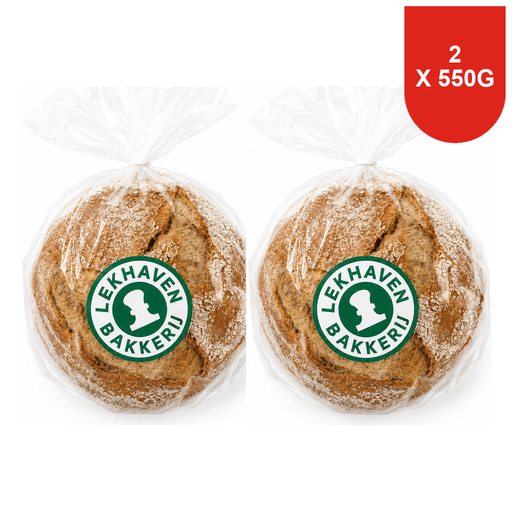 Image unavailable
Lekhaven Bakkerij Multigrain Country Bread Round, 550 g × 2
An option if you’d like to slice a round multigrain loaf for breakfast. The product name gives the quantity as 550 g × 2; remember to defrost and bake before serving.
Check the current allergen information and ingredients before choosing this bread as a wholemeal option.
View at Joybuy
 Image unavailable
Lekhaven Bakkerij Multigrain Country Bread Round, 550 g
An option if you’re looking for a 550 g round multigrain loaf. Remember to defrost and bake it, then check whether the crust and texture are suitable for your toddler.
If your child has dietary restrictions, check the current allergen information. If you’re specifically looking for wholemeal bread, check the ingredients.
View at Joybuy
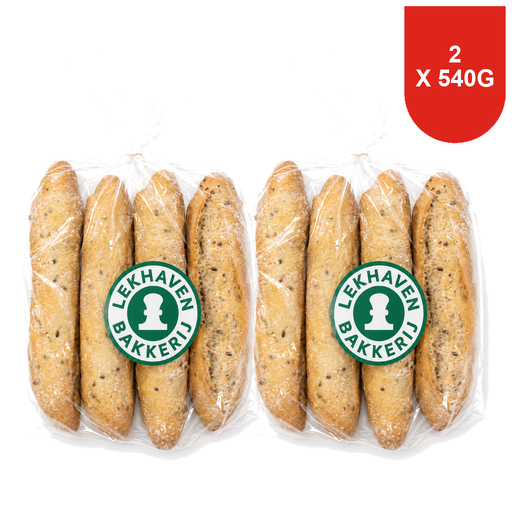 Image unavailable
Lekhaven Bakkerij Multigrain Rustic Baguette
An option if you’d like to slice a multigrain baguette for breakfast. Check the pack size before buying, and remember to defrost and bake it.
Check the crust and texture of the seeds to see whether they’re suitable for your toddler. Also read the current allergen information and ingredients if they affect your choice.
View at Joybuy
Frequently asked questions
Is multigrain bread automatically wholemeal?
No. The ingredients determine how much wholemeal flour a loaf contains. Jumbo lists 55.7% wholemeal wheat flour in Boeren Donker Volkoren Meergranen Half; PLUS lists 30% wholemeal wheat flour and 22% wheat flour in Korenlanders Licht Meerzaden. So compare the specific product rather than relying on the term ‘multigrain’.
How many slices of bread does the Netherlands Nutrition Centre recommend for a toddler?
For children aged 1 to 3, the Netherlands Nutrition Centre recommends around two to three slices of bread a day, usually split between breakfast and lunch. This is general guidance, so also consider what else your child eats and their appetite.
What should I look for when my toddler eats seeded bread?
Check whether your toddler can manage the crust and the texture of the seeds, and cut the bread into suitable pieces. The Netherlands Nutrition Centre recommends bread without seeds or kernels as a starting option for babies who are beginning to eat bread; when choosing for a toddler, their own eating skills remain important.
What should I check about allergens and baker’s salt?
Always read the current label for allergen information and follow the relevant dietary advice if your child has a diagnosed dietary restriction. Separately, check the product information to see which salt has been used: according to the Netherlands Nutrition Centre, baker’s salt can contain added iodine, but that doesn’t tell you which type of salt is in a particular loaf.


