
Pupils who want white bread with seeds
For pupils who enjoy a slice of white bread but would also like seeds in it. Check the ingredients in your chosen variety rather than relying on the ‘multiseed’ name alone.


Seeded white bread may be a good option if a pupil enjoys white bread with seeds. Adding seeds does not automatically make it equivalent to wholemeal bread: the Voedingscentrum recommends replacing white bread with wholemeal or brown bread as often as possible. When comparing white multiseed breads, check the fibre and salt per 100 g, as well as the ingredients, allergens and school rules.
For pupils who enjoy a slice of white bread but would also like seeds in it. Check the ingredients in your chosen variety rather than relying on the ‘multiseed’ name alone.
If you’re choosing bread for everyday lunches and are mainly considering the type of bread and its fibre content, you can compare white multiseed bread with wholemeal or brown bread. The Voedingscentrum recommends replacing white bread with these types as often as possible.
For the white multiseed breads reviewed, Albert Heijn, Jumbo and PLUS list ingredients containing gluten, among other things. Other allergens and ‘may contain’ statements also vary by product. Check the current label and ask about the school’s rules.
Start by thinking about whether white bread is important to the pupil. Then compare the type of bread and the label before deciding what to buy for the school week.
| What to consider | What to check when buying | Who it matters to |
|---|---|---|
| Type of bread and fibre | Check whether the bread is white, brown or wholemeal, and compare the fibre per 100 g on the label. | If bread goes to school every day, I don’t want to choose between white and wholemeal based on the seeds alone. Around 33% of consumers put the type of bread and its fibre content first when making this choice. |
| Allergens and school rules | Read the ingredients, allergen information and ‘may contain’ statements; ask about the school’s rules. | If an ingredient needs to be avoided or the school has rules about food, the lunch needs to comply. For around 27% of consumers, checking this is the top priority. |
| White bread with seeds | Check the type of bread and which seeds are in your chosen variety. | A pupil who prefers white bread may want seeds in their sandwich but not a different type of bread. This preference comes first for around 20% of consumers. |
| Planning for the week | Check local availability and follow the storage instructions on the packaging. | When planning for a school week, I want to be able to buy and store bread without having to make an extra trip to the shops. Around 20% of consumers give this practical consideration top priority. |
The name doesn’t tell you whether a loaf is made with wholemeal flour. The Voedingscentrum recommends replacing white bread with wholemeal or brown bread as often as possible.
Check the type of bread and compare the fibre per 100 g if that difference matters to you.
For the white multiseed breads described by Albert Heijn, Jumbo and PLUS, the allergen information varies, including for sesame, soya and other possible allergens.
Check the full ingredients and allergen information on the packaging every time you buy, including any ‘may contain’ statements. Also ask what the school’s rules are for that lunch.
A loaf shown online may not be available at the shop where you do your weekly shopping.
Check local availability before basing your lunch plans on a particular variety.
Otherwise, you may need to make an extra trip to the shops.
Albert Heijn describes AH Les Pains Triomphe half as white multiseed bread.
Jumbo describes both Boeren Licht Meerzaden and Rond Spelt Wit as white bread with seeds.
PLUS describes Korenlanders Rustiek Vloerbrood Wit Meerzaden as white multiseed bread.
ALDI’s fresh bread range includes white bread and sunflower seed bread, among other options.
Dirk’s bread range includes white bread as well as multiseed and multigrain bread, among other options.
These multigrain baguettes are a bread option to consider if you’re open to something other than white seeded bread for a school lunch. Compare the ingredients and nutritional information on the packaging with the white bread the pupil enjoys.
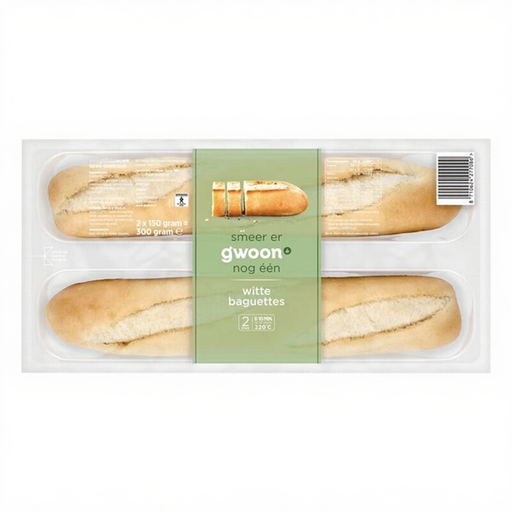 Image unavailable
A multigrain baguette to consider if white bread isn’t essential for lunch.
The pack contains 2 pieces and weighs 300 g. Before packing, check the ingredients, allergens and nutritional information on the packaging.
No. Adding seeds to white bread doesn’t automatically make it wholemeal. The Voedingscentrum recommends replacing white bread with wholemeal or brown bread as often as possible, so check the type of bread and compare the fibre on the label.
That depends on the bread you choose and the specific school rules. Check the ingredients, allergen information and ‘may contain’ statements on the current packaging, and ask the school what rules apply to lunch.
No. Bread containing wheat isn’t gluten-free. If gluten needs to be avoided, don’t assume that a bread is suitable just because it contains seeds; check the labelling and ingredients of the specific product.
Follow the storage instructions for the bread you’ve chosen. For the products reviewed, Albert Heijn and Jumbo recommend storing them in a dry place; selected varieties can also be frozen on the day of purchase. Check the packaging for your variety to see if this applies.