
Anyone looking for a quick bite to top
A small, crisp piece of toast is handy for a topped lunch with no preparation needed. Check that the size suits the amount of topping you want to use.


For a quick lunch with a small amount of topping, sesame or multigrain Melba toast makes a crisp base. If you’d prefer something sturdier, consider multiseed crackers too – they’re not toast. Seeds alone don’t tell you whether a product is wholegrain or how much fibre it contains. Compare the nutritional information per 100 g, and check the ingredients and allergens for the specific variety you choose.
A small, crisp piece of toast is handy for a topped lunch with no preparation needed. Check that the size suits the amount of topping you want to use.
Visible seeds aren’t the same as a wholegrain base. Check the ingredients and compare fibre per 100 g; the Netherlands Nutrition Centre recommends using this basis when portion sizes differ.
For sesame and multigrain products, the ingredients of the exact variety matter. Read the current packaging before buying, even if you already know the product.
First decide whether you want a small piece of toast or a sturdier cracker to top. Then compare the ingredients and nutritional information per 100 g within the same product type.
| What to consider | What to check when buying | Who it matters to |
|---|---|---|
| Grains and fibre | Check which grains are listed in the ingredients and compare fibre per 100 g. | If a clear wholegrain or fibre profile is my priority for a lunch base, visible seeds alone aren’t enough to help me choose. Around 40% of consumers put grains and fibre first. |
| Flavour and size | Check whether it contains sesame and consider the size: small Melba toast and a bagel cracker are different products. | For quick topped snacks, I want a crisp base with a flavour and size that suit my toppings. This combination is the top priority for around 30% of consumers. |
| Allergens and salt | Read the allergen information for the variety you choose and compare salt per 100 g. | If I need to avoid certain ingredients or compare salt levels, the current label determines which variety is suitable. For around 30% of consumers, checking the label comes first. |
Sesame and other visible seeds don’t tell you how much wholegrain or fibre the toast contains. The name ‘multigrain’ doesn’t, by itself, tell you which grains make up the largest share either.
Read the ingredients and compare fibre per 100 g. If the small size of Melba toast doesn’t work well with your toppings, consider crackers as a separate product type.
A sesame variety may also contain gluten-containing cereals or soya. Ingredients vary from product to product.
If you have an allergy, check the allergen information on the current packaging of the exact variety you’re buying.
A value per portion may refer to a different quantity of toast or crackers. That means you’re not comparing the stated fibre or salt on a like-for-like basis.
For nutritional information, compare values per 100 g within the same product type, then consider how much you want to eat. The Netherlands Nutrition Centre recommends comparing products per 100 g.
Melba Meergranen Toast is a toast option for anyone comparing the grains and sesame in the ingredients. According to product information from Jumbo, this variety contains 45% wholemeal wheat flour and 3% sesame seeds.
Melba toast with sesame seeds is a small sesame toast. Albert Heijn lists 7% sesame seeds for this variety.
Ontbijtcrackers Meerzaden are an alternative if you’d rather top a cracker than Melba toast. Bolletje lists 49% wholemeal wheat flour and 13% linseed for this product.
Jumbo sells its own-brand toast varieties and also lists products from Van der Meulen. Choose based on the specific variety, rather than the retailer’s name alone.
ALDI Netherlands describes Sun Snacks Toast Cups Naturel as toast for lunch and brunch. The name ‘Naturel’ doesn’t indicate that this variety contains seeds.
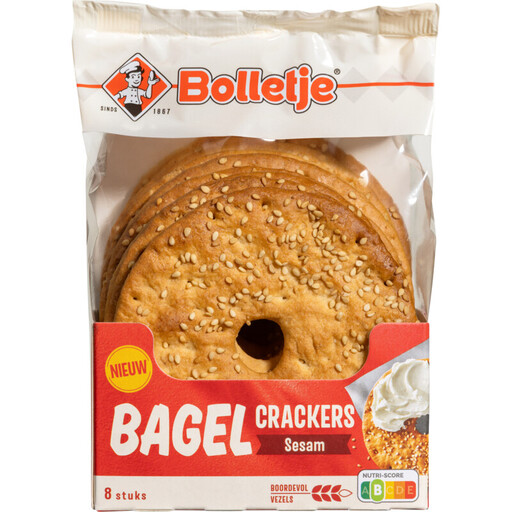
If you’d rather top a sesame cracker than a small piece of Melba toast, take a look at this bagel cracker. It’s an alternative to toast, not a type of toast.
 No image available
A sesame cracker to top if you prefer crackers to Melba toast.
The pack contains 225 g. A bagel cracker has a different shape and is a different eating experience from a small piece of toast. If you have allergies, check the current packaging.
No. Check which grains are listed in the ingredients and compare the stated fibre per 100 g. The Netherlands Nutrition Centre recommends using this basis to compare nutritional information, as portion sizes can vary.
At the very least, check the current allergen information for the variety you’ve chosen. The sesame and multigrain toast products mentioned list various gluten-containing cereals as well as sesame, and, depending on the product, soya. The Netherlands Food and Consumer Product Safety Authority says allergens must be clearly stated on the label.
Follow the storage advice on the packaging for your variety. For the sesame toast mentioned, Albert Heijn recommends storing it in a sealed tin after opening. For the Van der Meulen multigrain toast mentioned, the advice is to store it in a cool, dry place.
No, that doesn’t follow from the Dutch rules on baker’s salt. According to the Netherlands Food and Consumer Product Safety Authority, iodine compounds may be present in bread, bread substitutes and other bakery products only through the addition of baker’s salt. This doesn’t mean that a particular variety of toast contains that salt. If this matters to your choice, check the product’s ingredient information.