
If you’re looking for wholemeal and fibre
You want a crunchy snack, so you compare the wholemeal base and fibre content rather than just looking at the seeds on the pack.


When choosing seeded toast for a mid-morning snack, don’t judge it by the visible seeds alone. If you want a wholemeal base, look for the ‘wholemeal’ label and compare fibre and salt per 100 g. Think about what you’d like to eat with it, and if you have a food allergy, check the ingredients and allergen information on the pack. Seeded crackers may be an alternative, but they aren’t toast.
You want a crunchy snack, so you compare the wholemeal base and fibre content rather than just looking at the seeds on the pack.
You’re looking for sesame or seeds for flavour and texture, or a crunchy base for toppings. Seeds alone don’t tell you whether the toast is wholemeal.
You compare salt levels or need to check before buying whether a product contains ingredients such as sesame or cereals containing gluten.
First decide whether you want toast or would also consider crackers. Then compare the details on the pack that matter most for your snack.
| What to consider | What to check before buying | Who it matters to |
|---|---|---|
| Wholemeal and fibre | Look for the ‘wholemeal’ label and compare fibre per 100 g. According to the Voedingscentrum, a product that isn’t made entirely from wholemeal flour cannot be called ‘wholemeal’. | If I’m looking for wholemeal toast, I don’t want to rely on visible seeds. For around 40% of consumers, choosing wholemeal and fibre is the top priority. |
| Seeds and toppings | Check which seeds are listed in the ingredients and choose a toast texture that works with the toppings you want to use. | For a snack, I mainly want the flavour of seeds and a crunchy base for toppings. This is the most important consideration for around 30% of consumers. |
| Salt and allergens | Compare salt per 100 g and read the latest allergen information, including details about sesame and cereals containing gluten. | Before buying, I want to know whether the toast fits my salt preferences and is suitable for any allergens I need to avoid. This check matters most to around 30% of consumers. |
Sesame, seeds or the words ‘multigrain’ on the pack don’t confirm that the toast is made entirely from wholemeal flour.
If wholemeal matters to you, look for the ‘wholemeal’ label, then compare the nutritional information per 100 g.
According to Van der Meulen, Melba Wholemeal toast contains 9.7 g of fibre and 1.9 g of salt per 100 g; for Melba Multigrain toast, the manufacturer lists 7.5 g of fibre and 1.5 g of salt per 100 g. So, in this case, the higher-fibre option also contains more salt.
Compare both figures on the current pack and take your choice of toppings into account too.
Sesame and cereals containing gluten may be relevant in products with seeds. Ingredients vary from product to product.
If you have a food allergy, check the ingredients, allergen information and any warnings on the current pack before buying.
An overview of available varieties doesn’t necessarily give you the ingredients and nutritional information for the pack you’re buying.
Check the packaging if a particular seed, wholemeal base, salt level or allergen is important to your choice.
Worth considering if you want to compare sesame, multigrain and wholemeal varieties from one manufacturer.
Worth considering if seeded crackers are also an option for your snack; these products aren’t toast.
Worth considering if you want to explore toast varieties including wholemeal, pumpkin seed or sunflower seed options.
These are crackers for anyone who’d like to consider an alternative to toast for a crunchy snack. If they’ll affect your choice, compare the nutritional information and allergen details on the packaging.
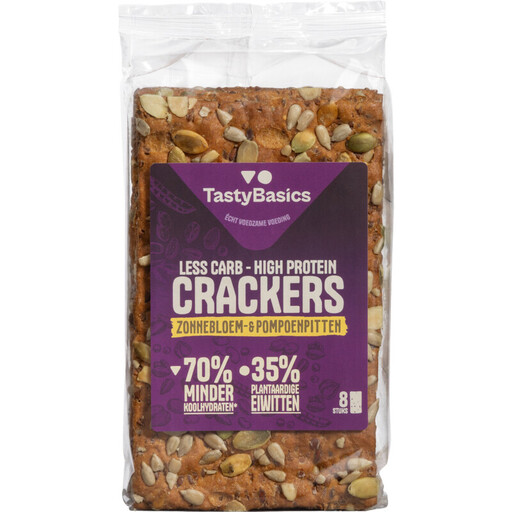 Image unavailable
A cracker with sunflower seeds for anyone looking for something crunchy mid-morning instead of toast.
The pack contains 8 pieces; check the ingredients and allergens on the pack.
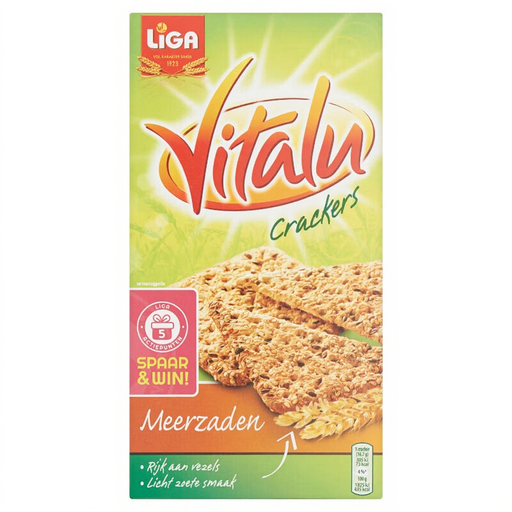 Image unavailable
Consider these crackers if a product with a variety of seeds would suit your snack better than toast.
Pack size: 200 g. Check the label to see which seeds and allergens are listed for the pack you choose.
 Image unavailable
If crackers rather than toast would suit your snack break, you can compare this Wasa variety’s fibre and salt per 100 g.
Pack size: 300 g. Check the ingredients and allergens on the packaging too.
No. Seeds alone don’t tell you anything about the wholemeal base. Look for the ‘wholemeal’ label on the pack: according to the Voedingscentrum, a product that isn’t made entirely from wholemeal flour can’t be called wholemeal.
You can eat the toast on its own or use it as a base for toppings, depending on what you fancy for a snack. Choose your toppings alongside the toast, and take the ingredients and nutritional information of both into account.
You can’t assume that every pack of toast does. The Netherlands Food and Consumer Product Safety Authority explains that iodine compounds may be present in bakery products through baker’s salt; this doesn’t tell you how much iodine is in a particular variety of toast.
Before buying, read the allergen information and ingredients on the current pack, including any warnings. Sesame and cereals containing gluten may be present in seeded products, so check the specific variety rather than relying on the product name alone.