Choose multigrain or sesame Melba toast if you want small toasts with a grainy or sesame flavour to add your toppings to. If a clearly stated seed content is your priority, a seed cracker is a better match, as long as you’re happy with its sturdier size. If you mainly want the topping to shine, try plain Melba toast. Whichever you choose, check the label for allergens and compare fibre and salt per 100 g.
Which type of toast is right for you?
Hosts who want seeds in the base
You’re looking for a distinct seed flavour and are happy to serve a sturdier cracker instead of a small party toast. Check the ingredients or the seed percentage for the specific product rather than relying on its name alone.
Hosts who mainly want to serve toppings
You want to prepare small, crunchy bites and serve them in portions. In that case, the size and packaging matter too, alongside the flavour of the toast itself.
People shopping for guests with allergies
Check which allergens are in the pack you choose, as well as what it says about the possible presence of other allergens. Grains, sesame and soya are particularly worth checking in the products discussed here.
What should you look for when choosing?
First decide whether you want seeds in the base itself or simply a sturdy base for your toppings. Then compare the size and, for the guests you’re serving, check the ingredients, allergens and nutritional information on the pack you buy.
Multigrain or sesame Melba toast
A good fit if: you want small toasts with a grainy or sesame flavour to add your toppings to.
Worth considering: multigrain doesn’t tell you how many seeds a product contains. The Van der Meulen Multigrain version described by Albert Heijn contains, among other ingredients, wheat, sesame and soya.
Seed crackers
A good fit if: a clearly stated seed content matters more to you than the classic party-toast size. Bolletje lists a seed content of 45% for its 45% Sunflower Seed Crackers.
Worth considering: a cracker is a sturdier, different type of base from a small Melba toast.
Plain Melba toast
A good fit if: you want the flavour of the topping to take centre stage and aren’t specifically looking for seeded toast.
Worth considering: plain doesn’t mean free from allergens. Albert Heijn lists wheat, barley and soya in its Plain Melba Toast, and says sesame may be present.
| What to consider |
What to check when buying |
Who should consider this? |
| Seeds and fibre |
Check the seed content or ingredients list, and compare the fibre per 100 g. |
If I want the base itself to contain a noticeable amount of seeds, I look beyond the word multigrain. For around 42% of consumers, choosing a seed-focused option comes first. |
| Size and serving |
Check the size of the toasts, the number of packs and whether you’re choosing toast or a cracker. |
If I want to serve different toppings on small bites, a handy toast size matters more than a high seed content. That’s the top priority for around 33% of consumers. |
| Allergens and salt |
Read the allergen information on the current pack and compare the salt per 100 g in similar products. |
If I’m buying for guests with food allergies, I don’t rely on a name such as plain; I can also take salt into account when comparing products. This check is the deciding factor for around 25% of consumers. |
Common mistakes
-
Assuming multigrain means lots of seeds
Multigrain toast may contain sesame, but its name doesn’t tell you how many seeds it contains. The seed percentage Bolletje gives for its 45% Sunflower Seed Crackers applies to that cracker only.
Read the ingredients list and, if seed content is your main reason for choosing a product, look for an explicit percentage for that specific product.
-
Assuming plain means free from allergens
Albert Heijn lists wheat, barley and soya in its Plain Melba Toast, and says sesame, among other things, may be present. So the flavour name doesn’t tell you whether it’s suitable for a guest with an allergy.
Check the allergens and any warnings about possible traces on the pack you’ll actually be serving.
-
Looking only at fibre
The Van der Meulen Multigrain Melba Toast described by Albert Heijn lists both 9 g of fibre and 2.1 g of salt per 100 g. One nutritional value alone doesn’t give you the full picture when comparing products.
Compare similar toasts or crackers per 100 g for both fibre and salt, and take the ingredients into account too.
-
Assuming the salt information tells you the iodine content
An ingredients list that mentions salt doesn’t tell you how much iodine that particular toast product contains.
Don’t use the toast category or salt information as product-specific iodine information. Check the details for the particular pack instead.
Brands to consider
Van der Meulen Melba
Multigrain Melba toast for small topped bites.
- Albert Heijn describes the Multigrain version as six bags, each containing six toasts; its nutritional information lists 9 g of fibre per 100 g.
- The same version lists wheat, sesame and soya among its allergens, and contains 2.1 g of salt per 100 g.
Bolletje
Seed crackers and breakfast crackers as an alternative if you’re looking for seeds in the base.
- Bolletje lists linseed, sesame seeds, sunflower seeds and pumpkin seeds in its Multiseed Breakfast Crackers, and says its 45% Sunflower Seed Crackers contain 45% seeds.
- These are crackers, not classic small Melba toasts; check the grains and allergens for each version.
Albert Heijn
Plain Melba toast for when you want the topping to provide the flavour.
- AH Plain Melba Toast is described as a 240 g pack containing twelve bags of six toasts.
- Albert Heijn lists wheat, barley and soya, and says sesame, among other things, may be present. Plain does not mean free from allergens.
Jumbo
A range of toasts, including different types and sizes of Melba and other toast.
- Jumbo’s range includes plain and wholemeal Melba toast, as well as Crispy Toast.
- Check the ingredients and allergens for your chosen version individually; the range name alone doesn’t tell you enough.
ALDI
Toast, Melba toast and crackers in a range of varieties.
- ALDI Netherlands lists plain and wholemeal options, as well as varieties with pumpkin or sunflower seeds, in its toast range.
- For a specific seeded variety, check the packaging to compare ingredients, nutritional values and allergens.
Lidl
Melba toast as a simple base for toppings.
- Lidl describes a 240 g pack of Melba Toast.
- Check the pack you choose to see whether that variety contains seeds and which allergens are listed.
Toast and crackers on Joybuy
This sesame cracker is an option if you want seeds in the base for Friday afternoon drinks and aren’t looking for a classic Melba toast.
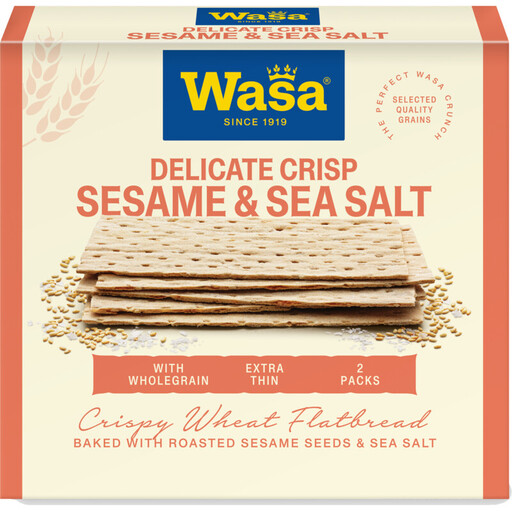 Image unavailable
Wasa Thin Crisp Sesame, 190 g
A sesame cracker for anyone who wants to serve their toppings on something other than Melba toast.
Pack size: 190 g. If you’re serving guests with allergies, check the current label for grains, sesame and warnings about the possible presence of other allergens.
View on Joybuy
Frequently asked questions
Is seeded toast automatically a better choice for drinks and nibbles?
No, it depends on what you want to serve. A seed cracker is a good fit when seeds in the base are your priority; small Melba toasts work well when you mainly want to make topped bites. To compare nutritional values, look at similar products per 100 g and read the ingredients list.
If I have a sesame or gluten allergy, can I switch to plain toast?
Not based on the name alone. Albert Heijn lists wheat and barley in its Plain Melba Toast, as well as soya, and says sesame may be present. Check the allergen information on the pack you’re planning to buy.
How should I store an opened pack of Melba toast?
Follow the storage instructions for the product you choose. Albert Heijn recommends storing its Plain Melba Toast in a sealed tin after opening; the Van der Meulen Multigrain version described should be stored in a cool, dry place.
Does the Dutch rule on baker’s salt mean my toast contains iodine?
No, you can’t use that to work out the iodine content of an individual pack of toast. The Netherlands Food and Consumer Product Safety Authority sets out conditions for using iodine compounds in baker’s salt in bakery products. For information about your toast, check the details for that specific product.


