Choose sesame melba toast for small topped bites, or multigrain melba toast if you want to compare wholemeal flour and fibre in this format. A multiseed cracker is another lunch option when a larger base works better for toppings. Whichever you choose, check the label for ingredients, nutritional information and allergens.
Who is this choice relevant to?
Canteen buyers comparing wholemeal flour and fibre
You want to look beyond the seeds you can see. The Netherlands Nutrition Centre distinguishes between ‘multigrain’ and ‘wholemeal’, so compare the ingredients and fibre content per 100 g before choosing toast for lunch.
Catering teams serving small topped bites
Small pieces of toast can be practical for a meeting lunch or buffet. For example, the Van der Meulen Melba toast with sesame described by Albert Heijn comes in six packs of six pieces of toast.
Canteens responsible for allergen information
Sesame and cereals containing gluten are among the allergens to look out for in seeded toast and crackers. Check each product for any other listed allergens and possible traces, and make this information available where food is served.
What should you look for when choosing?
Start with the serving format: small melba toast for bites, or a cracker as a separate part of lunch. Then compare the ingredients and nutritional information of the products that suit the occasion.
Sesame melba toast
A good fit for: small, uniform topped bites; according to Albert Heijn, Van der Meulen’s sesame variety comes in six packs of six pieces.
Consider: this variety contains wheat flour and sesame, and is not the same as a wholemeal product.
Multigrain melba toast
A good fit for: the small toast format when you want to compare a variety made with wholemeal wheat flour. Albert Heijn lists 86% wholemeal wheat flour and 9 g of fibre per 100 g for Van der Meulen Multigrain Melba Toast.
Consider: the multigrain name doesn’t remove the need to check allergens and salt.
Multiseed cracker
A good fit for: a lunch where a cracker works better with your chosen topping than small melba toast. Bolletje Ontbijtcrackers Meerzaden contains, among other ingredients, linseed, sunflower seeds, sesame and pumpkin seeds.
Consider: a cracker is not a like-for-like replacement for melba toast. Check the allergens for each product and try the format with the topping you plan to serve.
| What to consider | What to check when buying | Who it matters to |
|---|
| Wholemeal flour and fibre |
Read the first ingredients and compare fibre per 100 g; ‘multigrain’ doesn’t automatically mean ‘wholemeal’. |
When I choose a crisp base for lunch, I want to know how much wholemeal flour and fibre it contains, not just which seeds are on top. This is estimated to be a priority for 36% of consumers. |
| Allergens |
Check the current ingredients list and any warnings about possible traces, especially for sesame and cereals containing gluten. |
When I serve toast to guests, I need to be able to tell them clearly which allergens the product contains. This is thought to be the main concern for 29% of consumers. |
| Portions and toppings |
Check the size of each piece and whether the product comes in individual packs; try your chosen topping on the product you plan to serve. |
For a meeting lunch, I want to be able to serve bites quickly, while a topped lunch item may call for a different format. This is the most important factor for around 21% of consumers. |
| Seeds and texture |
Check which seeds have been added and try the product with your chosen topping. |
I’m looking for a crisp base where the seeds work well with the topping. This preference is estimated to guide the choice for around 14% of consumers. |
Common mistakes
-
Assuming seeds mean a product is wholemeal
Sesame toast can be made mainly from flour. Albert Heijn lists 5 g of fibre per 100 g for Van der Meulen Melba toast with sesame and 9 g per 100 g for the multigrain variety reviewed here; these are different products.
Check the ingredients, look for ‘wholemeal’ on the packaging and compare the nutritional information on the same 100 g basis.
-
Serving sesame toast without checking allergens
The toast and seeded crackers described may contain cereals containing gluten and other allergens, as well as sesame. The product name alone doesn’t give guests enough information.
Use the current packaging or product specification. The Netherlands Food and Consumer Product Safety Authority says that allergen information must also be available for unpackaged food.
-
Assuming baking salt contains iodine
According to Brood.net Professionals, using baking salt that contains iodine is not a legal requirement. So don’t assume that toast or crackers provide the same amount of iodine as bread made with baking salt without checking.
Check the ingredients list if the type of salt used is relevant to your canteen menu.
-
Treating melba toast and crackers as the same serving format
Small melba toast suits a different occasion from a cracker served as a separate topped lunch item. The topping you choose and the portion size will determine whether the format is practical.
Before you order, try the topping, portion size and serving time with the product you plan to buy.
Relevant brands and product ranges
Van der Meulen
The multigrain and sesame varieties described by Albert Heijn are worth considering when comparing small melba toast for the canteen.
- The multigrain variety lists 86% wholemeal wheat flour and 9 g of fibre per 100 g; the sesame variety contains 7% sesame and comes in six packs of six pieces of toast.
- For both varieties, check the current allergen information; for the multigrain variety, also check the salt content on the packaging.
Albert Heijn / AH Biologisch
AH Biologisch Melba toast with sesame seeds is another sesame option in the small toast format.
- Albert Heijn lists 7% sesame seeds and 5.2 g of fibre per 100 g for this product.
- The product information lists wheat, barley, sesame and soya, among other ingredients. Check the current label before serving it in a canteen.
Bolletje
Bolletje Ontbijtcrackers Meerzaden are a cracker option if you’re considering a different lunch format alongside melba toast.
- Bolletje’s ingredients information lists wholemeal wheat flour, linseed, sunflower seeds, sesame and pumpkin seeds.
- The product contains cereals containing gluten and sesame; also check the current packaging for any listed possible traces.
Goud Gebakken
ALDI describes robust wholemeal crackers with seeds under this name, as an alternative in the wider toast and cracker category.
- ALDI lists a multigrain and a spelt variety.
- Read the label for your chosen variety to check the full ingredients, nutritional information and allergens.
Crackers for the canteen lunch at Joybuy
These crackers are options to consider alongside small melba toast for lunch. Choose the format you want, then check the current packaging for ingredients, nutritional information and allergens.
 No image available
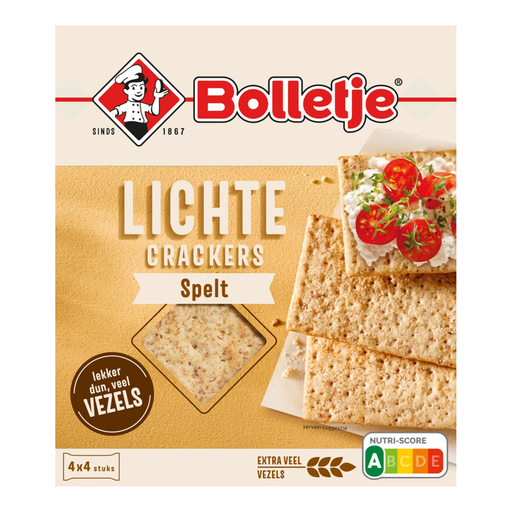
Bolletje Light Spelt Crackers, 190 g
A spelt cracker to consider if you’re looking for crackers rather than small pieces of toast for a canteen lunch.
Pack size: 190 g. Check the current ingredients and allergens, including wheat and sesame, before serving this product.
View at Joybuy
 No image available
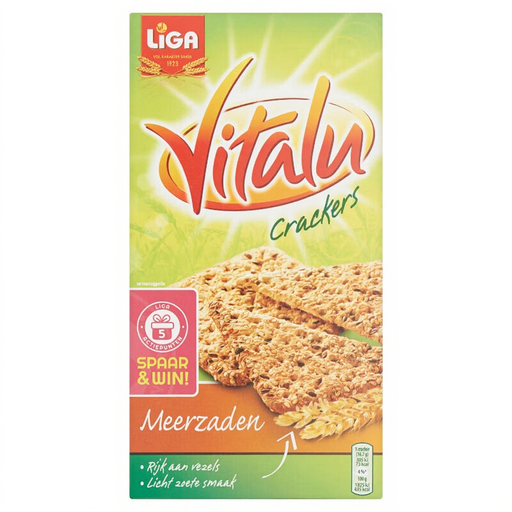
Lu Vitalu Multiseed Crackers, 200 g
A multiseed cracker for anyone looking to serve a different format from melba toast at lunch.
Pack size: 200 g. For the canteen, check the current allergen information, including any warnings about possible traces.
View at Joybuy
 No image available
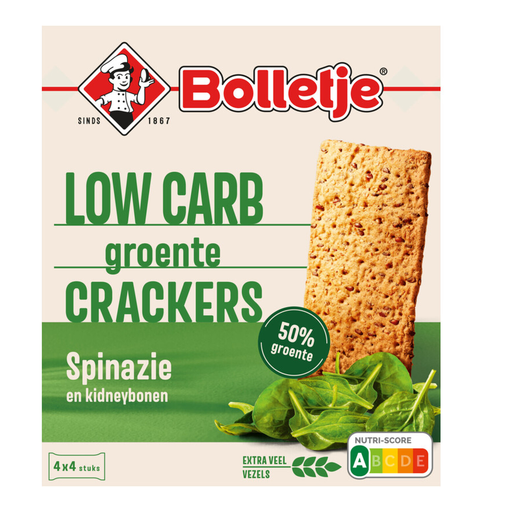
Bolletje Vegetable Crackers with spinach, 16 pieces
A cracker option if you’re looking for a variety with spinach for a canteen lunch.
Pack size: 16 pieces. Check the current information on gluten, sesame and possible traces before serving the crackers.
View at Joybuy
 No image available
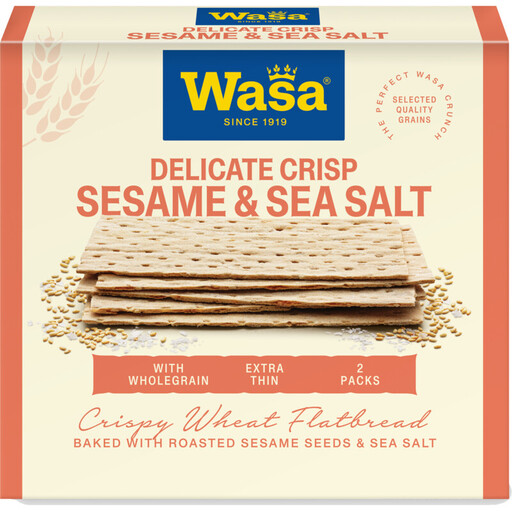
Wasa Thin Crisp Sesame, 190 g
A thin sesame cracker to consider when your topping is better suited to a smaller cracker.
Pack size: 190 g. Compare the fibre content per 100 g on the current packaging and check the allergen information.
View at Joybuy
 No image available
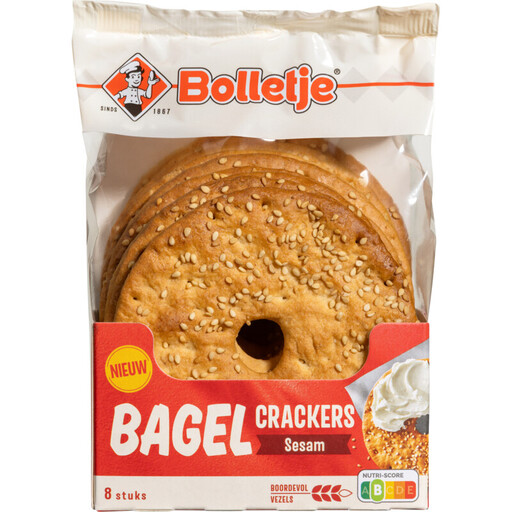
Bolletje Sesame Bagel Crackers, 225 g
A sesame cracker to consider if you want to use a cracker as a base for lunch toppings.
Pack size: 225 g. For a nutritional comparison, check the values per 100 g and read the current allergen information.
View at Joybuy
Frequently asked questions
Is multigrain toast automatically wholemeal?
No. ‘Multigrain’ on its own doesn’t tell you how much wholemeal flour a piece of toast contains. The Netherlands Nutrition Centre makes this distinction for toast and crackers too, so check whether the product is labelled wholemeal and read its ingredients list.
Does toast in the Netherlands always contain baking salt with iodine?
No. Brood.net Professionals explains that using baking salt with iodine is not a legal requirement; it is covered by an agreement for Dutch bakeries producing for the Dutch market. Check the ingredients of your chosen toast, as imported and organic products may be made differently.
Do toast and crackers provide the same amount of iodine as bread?
Don’t assume they do. When discussing iodine, the Netherlands Nutrition Centre distinguishes bread made with baking salt from products such as crackers and crispbread. Check the individual product if this is relevant to your canteen menu.
How do you provide allergen information for unpackaged sesame toast?
Make sure guests can access the allergen information before choosing. According to the Netherlands Food and Consumer Product Safety Authority, this information must also be available for unpackaged food. Keep the current product information accessible to staff and guests, with particular attention to sesame and any other allergens in the toast you choose.


