
Camper without reliable refrigeration
Looking for a dry base for breakfast or lunch and choosing toppings that can be stored without a fridge. The Netherlands Nutrition Centre advises choosing foods with a longer shelf life when camping.


Seeded rusks are a practical choice for breakfast or lunch on a camping trip, especially if you can keep them dry and choose toppings suited to your cooling facilities. Then compare the seeds listed and the nutritional values per 100 g if fibre, protein or carbohydrates matter to you. If you have an allergy, always check the ingredients and allergen information on the current pack; the name ‘multiseed’ doesn’t tell you enough.
Looking for a dry base for breakfast or lunch and choosing toppings that can be stored without a fridge. The Netherlands Nutrition Centre advises choosing foods with a longer shelf life when camping.
Wanting to know which seeds are actually in the rusks and comparing the fibre content per 100 g. If you have an allergy, the ingredients and allergen information on the pack matter too.
Looking for a specific nutritional profile in seeded rusks. The nutrition table and portion size provide more useful guidance than a comparison claim on its own.
Start by considering how you’ll store the whole meal, including the toppings. Then compare the rusks’ ingredients and check the current label before buying.
| What to consider | What to check | Who it matters to |
|---|---|---|
| Storage and toppings | Check the use-by date and storage instructions; choose toppings suited to the refrigeration available. | Without reliable refrigeration, I want to take breakfast with me without storing perishable toppings unsafely. This storage consideration comes first for around 50% of consumers. |
| Seeds and fibre | Compare the types of seeds in the ingredients list and the number of grams of fibre per 100 g. | If I’m choosing rusks specifically for the seeds, I want to see which ones they contain and compare their nutritional values. Around 30% of consumers give these ingredients top priority. |
| Allergens and nutritional profile | Read the highlighted allergens and compare protein and carbohydrates per 100 g and per portion. | I may need to avoid certain allergens or be looking for rusks with a specific protein and carbohydrate profile; in that case, the product name alone isn’t enough. This is the main purchasing concern for around 20% of consumers. |
Seeded rusks may contain sesame or gluten-containing cereals, for example; some varieties also contain egg. The seed mix shown on the front doesn’t replace the allergen information.
Before setting off, read the ingredients and highlighted allergens on the current pack. The Netherlands Food and Consumer Product Safety Authority explains the mandatory declaration of allergens on labels.
Dry rusks don’t make perishable toppings suitable for storage without appropriate refrigeration. The Netherlands Nutrition Centre highlights the importance of choosing less perishable foods when camping.
Choose toppings to suit the cool box or fridge you can actually use.
A comparison on the packaging doesn’t automatically refer to the portion you eat, the other nutritional values or any allergens present.
Compare the nutritional information per 100 g and per rusk, and check what the claim refers to.
Rusks that become damp lose their crunch and are less enjoyable as food to take with you.
Follow the storage instructions on the packaging and seal the pack tightly after opening. Keep it somewhere dry.
The Vezelrijk Beschuit Meerzaden range is worth considering if you want to compare a specific seed mix and nutritional values.
The sunflower and pumpkin seed variety is worth considering if you’re comparing protein and carbohydrates across rusk products.
AH Multiseed Rusks and AH Organic Wholegrain Multiseed Rusks are two own-brand varieties you can compare by their ingredients.
These rusk products are suited to anyone looking for seeded rusks as a base for breakfast or lunch on a camping trip. Compare the packaging and nutritional information for the variety you choose, and make sure you can keep an opened pack dry and tightly sealed.
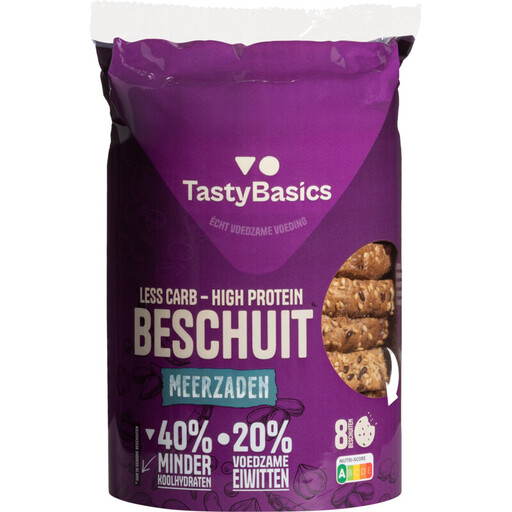 Image unavailable
An option if you’re looking for rusks with several types of seeds to take camping. The pack contains 184 g; compare the nutritional information and allergens for this variety before choosing.
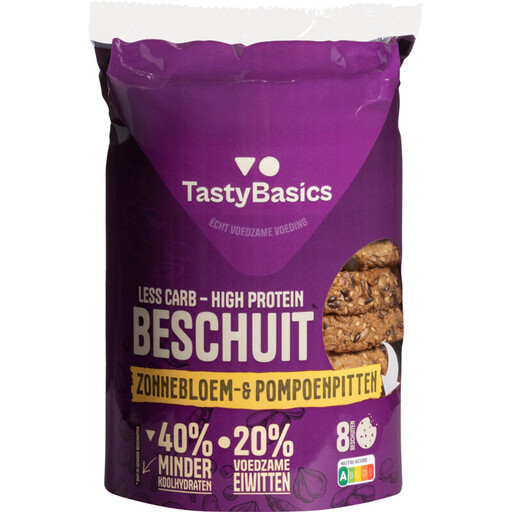 Image unavailable
For anyone specifically looking to compare rusks with sunflower seeds. The pack contains 8 pieces; check the current label to see which other ingredients and allergens this variety contains.
 Image unavailable
Seeded rusks to take with you as a dry base for breakfast or lunch. The pack contains 10 pieces; check the types of seeds, allergens and storage instructions on the current pack.
You can take rusks as a dry food supply, provided you follow the storage instructions and keep them dry and sealed after opening. If you don’t have reliable refrigeration, choose less perishable toppings too, as the Netherlands Nutrition Centre advises for food on camping trips.
Yes. According to the Netherlands Food and Consumer Product Safety Authority, sesame is one of the allergens that must be listed on the label of prepacked foods. If you have an allergy, always read the ingredients and allergen information on the current pack.
No, don’t assume that every pack of rusks contains iodine. The Netherlands Food and Consumer Product Safety Authority describes the permitted use of iodine in baker’s salt for bread, bread substitutes and other bakery products, at a maximum of 65 mg of iodine per kg of salt. This doesn’t tell you whether it has been used in a specific product. Check the label or ask the manufacturer.
Seal the pack tightly and store it somewhere dry, following the instructions on the packaging. If the pack is difficult to reseal, a dry, airtight storage container can help protect the rusks from moisture.