
Those looking for seeds for an Easter brunch
You want seeds or kernels in the product itself, and would consider a bar, cracker or rusk if soft ontbijtkoek doesn’t meet that need.


For an Easter breakfast, only choose an ontbijtkoek product with seeds if they’re listed in that product’s ingredients. According to Albert Heijn, Peijnenburg Tussendoor+ granen, pitten & fruit contains 9% sunflower seeds, but it’s a bar, not a large, soft ontbijtkoek. If you want to serve slices with toppings, sliced ontbijtkoek is better suited to that; for bread or something crisp with seeds, choose a different product category. When sharing food, also check the latest allergen information and any warnings about sweeteners.
You want seeds or kernels in the product itself, and would consider a bar, cracker or rusk if soft ontbijtkoek doesn’t meet that need.
You want to serve slices of soft ontbijtkoek with minimal preparation, perhaps with sweet or savoury toppings.
Before serving, you check the ingredients, allergens, nutritional information and any warnings about sweeteners.
First decide whether you need seeds in the ontbijtkoek itself, or whether the serving style matters more for your Easter brunch. Seeded bread, crackers or rusks are alternatives, not another type of ontbijtkoek.
Best for: individual portions where seeds in the ontbijtkoek product itself are important.
Bear in mind: a bar isn’t a substitute for a large, soft cake to serve in slices with toppings.
Best for: slices to share and top at the table.
Bear in mind: the ingredients for Peijnenburg Naturel gesneden don’t list any seeds or kernels.
Best for: an Easter brunch where bread or a crisp seeded product matters more than ontbijtkoek.
Bear in mind: the texture and how you serve it differ from soft ontbijtkoek.
| What to consider | What to check when buying | Who it matters to |
|---|---|---|
| Seeds or kernels | Look for them in the ingredients list for the exact product; check the stated percentage if the quantity matters. | If I’m buying specifically for the seeds, I don’t want to rely on the word ‘grains’ on the packaging alone. For around 42% of consumers, seeing clear evidence that they’re included comes first. |
| Serving style | Choose between sliced cake for toppings, individual bars, and bread or crisp alternatives. | I want to put slices on the table for guests to add their own toppings, or hand out individual portions for people to take with them. For around 25% of consumers, the serving style is the deciding factor. |
| Ingredients and warnings | Read the latest allergen information and check any usage warnings for sweeteners. | When guests are eating too, I want to know which allergens may be present and what warnings apply. Around 33% of consumers give this check top priority. |
According to the product information, the ingredients for Peijnenburg Naturel gesneden include rye flour and spices, but no seeds or kernels.
If seeds are a must, check the ingredients for the specific variety you’re buying.
The Voedingscentrum’s information about iodine refers to bread baked with iodised baker’s salt. It doesn’t tell you which ingredients are in a particular ontbijtkoek.
If the type of salt used matters to you, check the ontbijtkoek packaging itself.
The Peijnenburg wholemeal ontbijtkoek with no added sugars described by Jumbo contains xylitol. The product information warns that excessive consumption may have a laxative effect and states that xylitol is not suitable for animals.
As well as checking the claim on the front, read the ingredients and warnings. Keep products containing xylitol out of reach of pets.
According to Albert Heijn, Peijnenburg Tussendoor+ granen, pitten & fruit contains rye and oats and may contain milk, hazelnuts and almonds. Sesame may also be a consideration in products containing seeds.
Keep the packaging with the food and check both the allergens present and any warnings about possible traces for each guest.
Makes products including sliced ontbijtkoek and Tussendoor+ bars, which suit different needs for an Easter breakfast.
Provides product information about the Peijnenburg bar with grains, seeds and fruit.
Stocks a range of ontbijtkoek varieties, including a Peijnenburg wholemeal variety with no added sugars.
Stocks ontbijtkoek and separate seeded products, such as spelt rusks.
Stocks ontbijtkoek and a separate seeded multigrain baguette.
These products are for anyone considering crispbread or biscuits with seeds for Easter breakfast instead of ontbijtkoek. Check the ingredients and allergens on the packaging for the variety you choose.
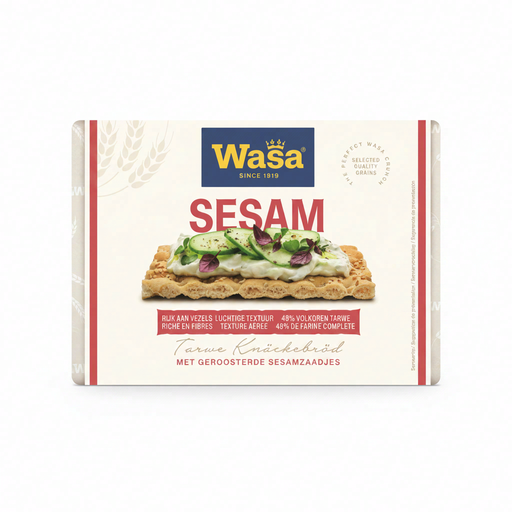 No image available
An option if you’re looking for something crisp with sesame for brunch instead of soft ontbijtkoek. Check the latest allergen information before serving.
 No image available
For anyone who’d rather serve crispbread with sesame than ontbijtkoek at Easter breakfast. If the amount of sesame matters to you, check the ingredient information on the packaging.
 No image available
A crispbread alternative for anyone looking for seeds but not soft ontbijtkoek. Compare the ingredients, sesame content and allergens on the label if these matter to your choice.
Yes. Albert Heijn lists 9% sunflower seeds in the ingredients for this ontbijtkoek bar. They’re individually wrapped bars, not a large, soft ontbijtkoek that you slice yourself.
Decide based on the latest label and the allergens relevant to that person. According to Albert Heijn, the bar contains rye and oats and may contain milk, hazelnuts and almonds.
No. The Peijnenburg wholemeal ontbijtkoek with no added sugars on Jumbo’s product page contains xylitol. The page warns that excessive consumption may have a laxative effect and states that xylitol is not suitable for animals.
No. Don’t assume a specific ontbijtkoek contains an ingredient without checking the label. The Voedingscentrum’s information about iodine relates to bread baked with iodised baker’s salt.
Follow the storage instructions on the packaging. For its Naturel gesneden ontbijtkoek, Peijnenburg recommends a cool, dry place out of direct light, such as a sealed container or tin.