Looking for seeded multigrain bread for a car journey, and specifically want wholemeal bread? Choose a loaf that is explicitly labelled ‘wholemeal’ – ‘multigrain’ on its own doesn’t guarantee this. Choose a size that suits the number of people eating, and check which seeds and allergens are in the exact variety. Bread that needs defrosting or baking requires preparation before you set off.
Who is this relevant to?
If you’re looking for wholemeal bread
If you want bread made with wholemeal flour, start by checking the description on the packaging. Then compare the fibre and salt content per 100 g of the varieties you’re considering. The Voedingscentrum explains that ‘wholemeal’ has a specific meaning when used on bread, which ‘multigrain’ doesn’t automatically convey.
If you’re packing snacks for several travellers
Sliced bread, individual rolls or a half loaf make it easier to take only the portions you need. Choose a size that suits the number of people eating and the day you plan to eat it; check the product’s storage instructions too.
If you need to check ingredients and allergens
For bread with kernels and seeds, the ingredients and allergens in the exact variety matter more than the product name. Check which cereals containing gluten and which seeds are listed, and read any warnings about possible cross-contamination.
What should you look for when choosing?
First decide whether wholemeal bread is a must for you. Then choose the seeds you prefer and a size you can share on the journey. Always check the ingredients and allergens before buying.
| What to consider |
What to check before buying |
Who it matters to |
| Wholemeal and fibre |
Look for ‘wholemeal’ on the packaging and compare fibre and salt per 100 g. |
If I want to take wholemeal bread with me, I want to be able to tell from the description rather than relying on ‘multigrain’. This is the top priority for around 36% of consumers. |
| Seeds and texture |
Check which kernels and seeds are listed in the ingredients for the exact variety. |
For a snack on the road, I’m looking for bread with seeds I enjoy eating. This is the main consideration for around 29% of consumers. |
| Portions and storage |
Choose rolls, sliced bread or a half loaf to suit the number of people eating, and follow the storage instructions. |
I want to pack enough bread without having lots left over after the journey. Around 21% of consumers prioritise portion size and convenience above all else. |
| Allergens and type of salt |
Check the label or ask about allergens for unpackaged bread; read the ingredients if the type of salt used matters to you. |
Before sharing bread, I want to know whether the ingredients are suitable for my fellow travellers. For around 14% of consumers, this information is the first thing they look for when buying. |
Common mistakes
-
Assuming multigrain means wholemeal
Bread can contain several types of grain without being wholemeal. According to the Voedingscentrum, the explicit ‘wholemeal’ description is what matters if you’re looking for wholemeal bread.
Check for that description first, then compare the nutritional information per 100 g.
-
Assuming seeded bread won’t contain relevant allergens
Seeded multigrain bread may contain cereals containing gluten or sesame, for example. Allergens vary from product to product.
Read the label for the exact variety. For unpackaged bread, ask about allergens before buying; the Netherlands Food and Consumer Product Safety Authority explains sellers’ information requirements.
-
Taking a whole loaf without planning portions
A whole loaf may be more than a small group will eat during the journey. The Voedingscentrum gives a limited storage time for opened wholemeal bread.
Choose a suitable size, or freeze portions at home if you’re buying the bread well in advance. Follow the date and storage instructions on the packaging for your chosen bread.
-
Trying to work out the type of salt from the bread’s name
The name ‘multigrain bread’ doesn’t tell you what type of salt is used in that variety.
If iodised salt is relevant to your choice, check the ingredients list on the bread you’re buying.
Brands to consider
Albert Heijn
Albert Heijn describes AH Liefde & Passie Meergranen gesneden as brown multigrain sliced bread containing ingredients including sunflower seeds, sesame seeds and sprouted rye grains.
- The product information lists ingredients, allergens, nutritional information and freezing advice.
- Albert Heijn warns that product information can change, so check the packaging when you buy.
Jumbo
Jumbo describes Stevig Meergranen as a wholemeal multigrain loaf with kernels and seeds.
- For this variety, Jumbo lists 8,6 g of fibre and 0,96 g of salt per 100 g.
- Use the information for the exact variety: another wholemeal multigrain loaf from Jumbo is a different product.
Lidl
Lidl describes its Steenoven baguette meergranen as a white multigrain baguette with kernels and seeds.
- The baguette shape could work well if you want to cut the bread into pieces before setting off.
- The description doesn’t make it wholemeal, so check the ingredients if that matters to your choice.
ALDI
ALDI offers multigrain bread with seeds and kernels, as well as a half-size boeren-volkoren-meergranen loaf.
- A half loaf is worth considering if you don’t want to take a whole loaf.
- Check the packaging for the ingredients and allergens in your chosen variety.
PLUS
PLUS says its Korenlanders Licht Meerzaden contains seeds and kernels and comes as a whole brown multigrain loaf.
- For this variety, PLUS lists 5,5 g of fibre and 1,02 g of salt per 100 g, along with allergen information.
- ‘Meerzaden’ in the name doesn’t confirm that the bread is wholemeal; check the exact product description.
Dirk
Dirk describes Bakker van der Akker Multikorn meergranenbollen as rolls with seeds and kernels, sold in packs of four.
- Individual rolls are easy to share between several travellers.
- Check the packaging for the nutritional and allergen information for these rolls.
Multigrain bread at Joybuy
These multigrain baguettes and round loaves are suitable if you want to prepare seeded bread before a car journey. Pay particular attention to the difference between individual portions and whole loaves: the products listed need to be defrosted and baked before you set off. Check the packaging if wholemeal bread is a must.
 Image unavailable
Lekhaven Bakkerij Multigrain Rustic Baguette, 4 × 135 g
Four individual baguettes are a good option if you want to share the bread between several travellers.
Allow time to defrost and bake them before setting off, and follow the preparation instructions on the packaging. Also check the wholemeal description and, if you have an allergy, the current allergen information.
View at Joybuy
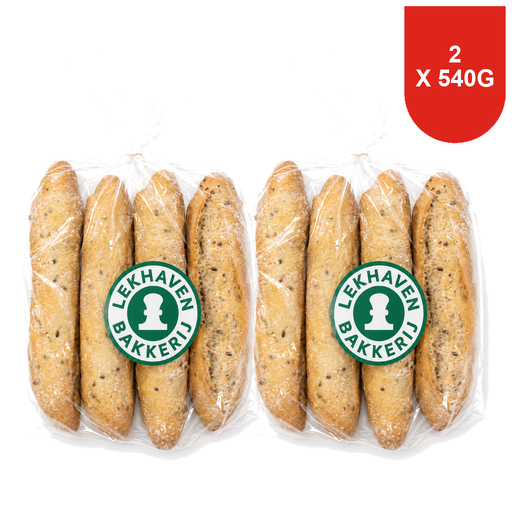 Image unavailable
Lekhaven Bakkerij Multigrain Rustic Baguette, 2 × 4 × 135 g
This quantity suits a larger group who want to share the baguettes individually; a smaller group may have some bread left over.
The pack contains two sets of four 135 g baguettes. Allow time to defrost and bake them before setting off, and check the packaging for the wholemeal description and allergen information.
View at Joybuy
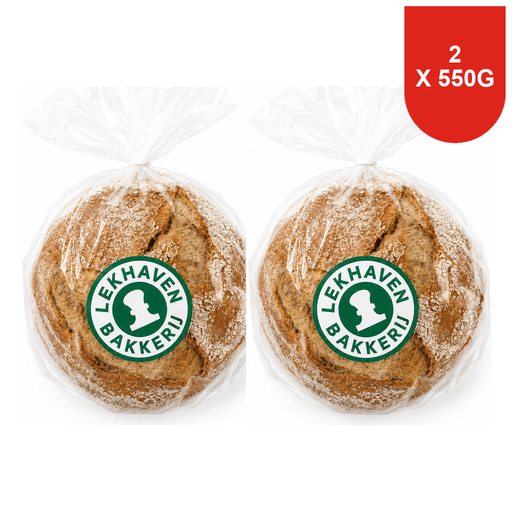 Image unavailable
Lekhaven Bakkerij Multigrain Country Bread Round, 2 × 550 g
Two round loaves are an option if you want to cut your own portions for a group, though they’re less convenient to share than individual baguettes.
Defrost and bake the bread before setting off. Check the packaging for the wholemeal description, allergens and nutritional information per 100 g if you want to compare products.
View at Joybuy
 Image unavailable
Lekhaven Bakkerij Multigrain Country Bread Round, 550 g
One round loaf is a good choice if you want to decide how many slices to pack for the journey.
The bread needs to be defrosted and baked; follow the baking time on the packaging. Also check the wholemeal description, allergens and nutritional information per 100 g if these will affect your choice.
View at Joybuy
Frequently asked questions
Is multigrain bread always wholemeal?
No. ‘Multigrain’ means that several types of grain have been used, but it doesn’t confirm that the bread is wholemeal. Look for the explicit ‘wholemeal’ description on the packaging; the Voedingscentrum explains that this is what matters when it comes to bread.
How should I store bread I buy before a car journey?
Store it according to the type of bread and when you plan to eat it. For opened wholemeal bread, the Voedingscentrum recommends 2–4 days in a kitchen cupboard and 1–3 months in the freezer. If you want to buy it earlier, freeze individual portions and follow the date and storage advice on the specific packaging.
How can I check the allergens in unpackaged seeded bread?
Ask for the allergen information for the specific bread before buying. According to the Netherlands Food and Consumer Product Safety Authority, sellers must provide information about allergens present in unpackaged foods too. Ask which cereals containing gluten and which seeds, including sesame if applicable, are relevant to that bread.


