If you’re looking for seeded multigrain bread as your regular choice for the week, first check whether it is explicitly labelled wholemeal. According to the Netherlands Nutrition Centre, ‘multigrain’ means that at least three types of grain have been used; it does not mean that the bread is wholemeal. Then choose a size and storage method to suit how much bread you get through each week, and check the current label for seeds, nutritional information and allergens. If you need gluten-free bread, assess that option separately by checking its ingredients and allergens.
Who is this choice relevant to?
Family shopper stocking up for the week
You buy bread for several days and want to choose a size that suits how much your household eats. Check the storage advice for your chosen loaf if you plan to freeze portions; for its Korenlanders Dark Multigrain Round Loaf, PLUS recommends freezing it on the day of purchase.
Shopper comparing wholemeal bread and fibre
You’re looking for the texture of seeds, but also want to know what the bread is made from. The Netherlands Nutrition Centre distinguishes between ‘multigrain’ and ‘wholemeal’, so compare both the product description and the nutritional information per 100 g.
Shopper with an allergy or dietary requirement
You need to be able to check the ingredients and allergens in a loaf before buying it. PLUS product information, for example, lists sesame or soya in some multigrain breads. Always check the current packaging of the option you choose.
What should you look for when choosing?
First, distinguish between the grain base and the seeds you want. Then choose a size you can finish or store according to the product’s advice. If you have an allergy or need gluten-free bread, checking the specific label takes priority over those other preferences.
| What to consider |
What to check when buying |
Who it matters to |
| Wholemeal base and fibre |
Look for the word ‘wholemeal’ and compare fibre per 100 g; ‘multigrain’ alone does not confirm that the bread has a wholemeal base. |
If bread is my everyday choice, I want to know what grains it’s made from, even if it contains seeds. Around 33% of consumers put a wholemeal base and fibre first. |
| Weekly stock and loaf size |
Compare whole, half and sliced loaves with how much you use, and check the storage and any freezing advice. |
I want to buy enough bread in one shop without having lots left at the end of the week. Planning bread supplies is a priority for around 25% of consumers. |
| Seeds and texture |
Check the ingredients list to see which kernels and seeds are included; compare nutritional information on the same per-100-g basis. |
The seeds and firmer texture are what make the difference for me between loaves that are otherwise similar. Around 25% of consumers put this preference first. |
| Allergens and dietary requirements |
Check the current allergen information for each product, even when a loaf is labelled gluten-free. |
If I need to avoid certain ingredients, I can’t rely on the category name or product photo. For around 17% of consumers, checking allergens or whether a product meets their dietary requirements comes first. |
Common mistakes
-
Assuming ‘multigrain’ means ‘wholemeal’
According to the Netherlands Nutrition Centre, multigrain bread is made with at least three types of grain. The name alone doesn’t tell you whether the bread has a wholemeal base.
If wholemeal is important to you, look for that on the product and then compare the fibre per 100 g.
-
Buying a large loaf without a storage plan
A whole loaf won’t necessarily suit your weekly needs, especially if you’re only going to eat some of it straight away.
Choose a suitable size or check whether you can freeze portions. For its Korenlanders Dark Multigrain Round Loaf, PLUS recommends freezing it on the day of purchase and using it within one month. Follow the storage advice for any other loaf.
-
Checking for seeds but overlooking allergens
Seeded bread may contain ingredients you need to avoid. PLUS product information, for example, lists sesame in a standard multigrain loaf. A gluten-free multigrain option may also contain other allergens.
Check the allergen information on the packaging you choose every time you buy, even if you’ve bought the same type of bread before.
-
Relying only on an earlier online product description
Ingredients and allergy information can change, as Albert Heijn points out in its product information.
Use the online description to compare loaves, then check the current packaging when you buy.
Brands and shops to consider
Albert Heijn
Offers multigrain bread online so you can compare options in advance.
- Product pages can help you make an initial shortlist by bread type.
- Albert Heijn notes that ingredients, nutritional values and allergy information can change; check the current packaging.
Jumbo
Has an online multigrain bread category, including a wholemeal multigrain loaf with kernels and seeds.
- The product description helps you distinguish wholemeal seeded bread from other multigrain options.
- Compare nutritional values and allergens on the packaging of your chosen loaf, rather than relying on the category as a whole.
Lidl
An option for freshly baked bread, including multigrain varieties.
- Worth considering if you want to pick up bread to eat during the week while doing your food shop.
- Lidl says its fresh bread selection varies by store, so check what’s available at your local shop.
ALDI
Offers fresh daily bread and a wholemeal multigrain loaf in whole and half sizes.
- The two sizes mentioned give you options to suit how much bread you use each week.
- Check the ingredients and allergens on the packaging of your chosen option.
PLUS
Offers Korenlanders multigrain bread, among other options, with product-specific ingredient and storage information.
- For the Korenlanders Dark Multigrain Round Loaf, you can check the listed seeds and allergens alongside the freezing advice.
- That freezing advice and those ingredients apply to this specific loaf; check other options separately.
Dirk
Search results include different types of bread, such as wholemeal multigrain bread and a gluten-free multigrain option.
- The results give you a starting point for choosing the type of bread you want.
- Before buying, check the ingredients, nutritional information and allergens for the individual product.
Multigrain bread at Joybuy
These multigrain breads come in different sizes and are aimed at anyone looking to add bread to their weekly shop. Compare the size with how much you use, and check the wholemeal status, storage advice and allergens on each pack.
 No image available
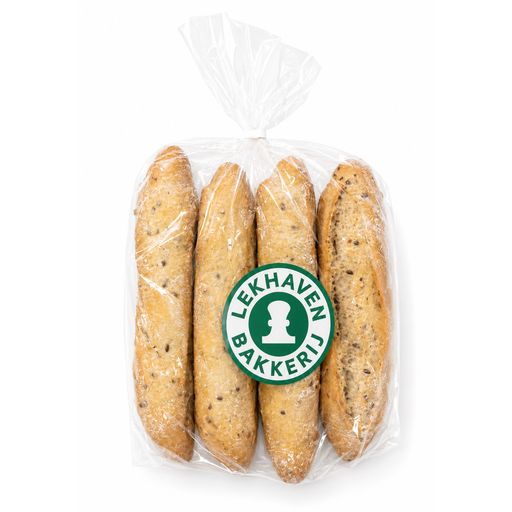
Lekhaven Bakkerij Multigrain Rustic Baguette, 4 × 135 g
If you want to spread individual baguettes across several meals, the product name lists four at 135 g each. Check the packaging for storage and preparation instructions, wholemeal status and allergens.
View at Joybuy
 No image available
Lekhaven Bakkerij Multigrain Country Bread Round, 550 g
If you want to add one larger round loaf to your weekly shop, the product name lists a weight of 550 g. Check whether the storage and preparation instructions fit your plans, and check the wholemeal status and allergens on the packaging.
View at Joybuy
 No image available
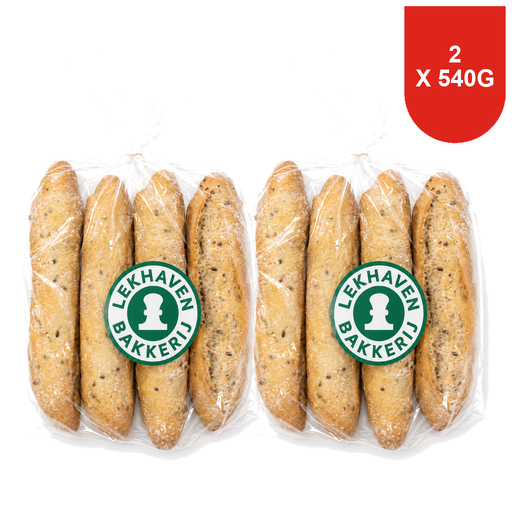
Lekhaven Bakkerij Multigrain Rustic Baguette, 4 × 135 g × 2
If you’re considering buying several baguettes for the week, the product name lists 4 × 135 g × 2. Check the total pack contents before planning your bread supplies, and also check the wholemeal status and allergens on the packaging.
Purchase link unavailable
Frequently asked questions
Is multigrain bread automatically wholemeal?
No. According to the Netherlands Nutrition Centre, ‘multigrain’ means that the bread contains at least three types of grain. Check separately whether your chosen loaf is labelled wholemeal.
Can I freeze multigrain bread for the week?
You can if the storage advice for your chosen loaf says it can be frozen. For its Korenlanders Dark Multigrain Round Loaf, PLUS recommends freezing it on the day of purchase and using it within one month. For other breads, follow the instructions on their own packaging.
What should I look out for with sesame or other allergens?
Check the current ingredients and allergen information for every loaf you’re considering. PLUS product information lists sesame in a standard multigrain loaf; a multigrain option labelled gluten-free may still contain other allergens.
How do I compare the nutritional values of loaves in different sizes?
Compare the nutritional values per 100 g, rather than per slice or per loaf. The Netherlands Nutrition Centre recommends this basis for comparison. Also read the ingredients list to see which grains and seeds are in the specific product.


