
If you’re looking for wholemeal bread
If you want bread with seeds and a wholemeal base, look beyond its colour and visible seeds. Check that the loaf is described as ‘wholemeal’ and read the ingredients.


For St Nicholas’ Eve, don’t choose a loaf based on the words ‘multigrain’ or ‘seeded’ alone. If you want wholemeal bread, check the product description and ingredients, then choose a size and crust that suit how much everyone will eat. If someone needs to avoid allergens or gluten, the information for the exact product takes priority over how the bread looks.
If you want bread with seeds and a wholemeal base, look beyond its colour and visible seeds. Check that the loaf is described as ‘wholemeal’ and read the ingredients.
For a shared St Nicholas’ Eve celebration, the crust and texture matter, as does how much bread you’ll need. Choose a size you can share, and decide in advance what to do with any leftovers.
Before buying, check the allergen information for the exact product. Seeds alone won’t tell you whether a loaf is suitable for someone who needs to avoid gluten or other ingredients. For unpackaged bread, you can ask the seller for information.
First, decide which feature matters most to the people eating the bread. Then compare loaves by texture, size and the information provided for the product you’re considering.
| What to consider | What to check when buying | Who is this important for? |
|---|---|---|
| Wholemeal base and fibre | Look for the description ‘wholemeal’ and check the ingredients. Compare fibre content on the same basis, such as per 100 g. | If I want wholemeal bread for the evening, a layer of seeds isn’t enough; I also want to be able to compare the nutritional information. This is the top priority for around 33% of consumers. |
| Texture, size and leftovers | Choose, for example, a whole or half loaf or a baguette based on the number of people eating and the crust you prefer. Decide what to do with any leftovers. | I want to be able to share the bread without having more left over than I can use. This combination of occasion and quantity is the main consideration for around 25% of consumers. |
| Allergens and gluten-free suitability | Read the latest allergen information for the exact product; for unpackaged bread, ask the seller. Check for a gluten-free label if needed. | If someone at the table needs to avoid an allergen or gluten, I want to know before buying which bread is suitable for them. This is the top priority for around 17% of consumers. |
| Current product options | Compare the size and product description of the loaf you’re actually choosing; check the current packaging for ingredients and nutritional information. | I want to find an option among the loaves available that suits our evening, without relying on an old product description. This is the most important consideration for around 25% of consumers. |
According to the Netherlands Nutrition Centre, ‘multigrain’ refers to bread made with at least three types of grain; it doesn’t, on its own, mean the bread is wholemeal. For example, PLUS describes one of its seeded multigrain loaves as brown multigrain bread.
If wholemeal is a must, look specifically for ‘wholemeal’ and check the ingredients before choosing based on the seeds or size.
As well as gluten-containing grains, seeded bread may contain other allergens. A gluten-free label doesn’t tell you which other ingredients someone may need to avoid either.
Read the information for the exact product. Before buying unpackaged bread, ask about allergens; the Netherlands Food and Consumer Product Safety Authority states that sellers must provide this information.
A whole loaf is easy to share, but not every group will finish it in one evening. The portions you need are just as important as how the bread looks on the table.
Choose a size that suits the number of people eating, and ideally freeze any portions you won’t use soon after buying, as advised by the Netherlands Nutrition Centre.
The Netherlands Nutrition Centre describes bread made with baker’s salt as a source of iodine, but bakers don’t have to use baker’s salt in every loaf. The type of salt can vary from recipe to recipe.
If you want to know what type of salt a particular loaf contains, check the ingredients list or ask the baker about unpackaged bread.
These examples show why the description and information for the specific loaf matter more than the shop name alone.
Albert Heijn lists a multigrain bread variety with seeds and kernels.
Jumbo describes both a wholemeal multigrain loaf with seeds and kernels and a separate gluten-free seeded loaf.
PLUS describes its Korenlanders Licht Meerzaden as brown multigrain bread with seeds and kernels.
Dirk describes a whole multigrain hearth loaf made with grains and seeds.
Lidl describes its stone-baked multigrain baguette with seeds and kernels as a white multigrain baguette.
ALDI describes both wholemeal bread and multigrain bread made with grains and seeds.
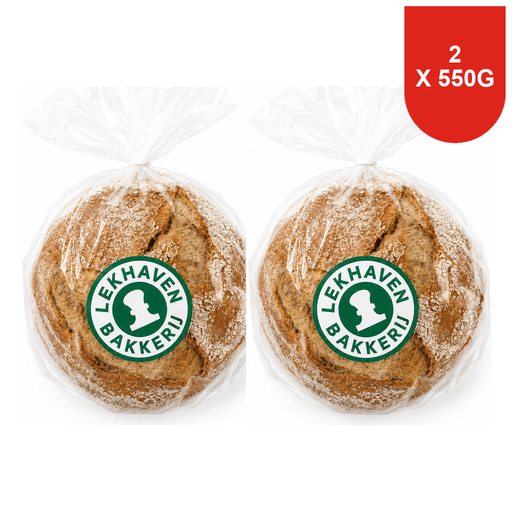
This round multigrain bread is an option if you want two loaves to share in the evening and have time to defrost and bake them. Check the packaging to see whether it meets your requirements for wholemeal bread and allergens.
 No image available
The two round loaves are made for sharing over an evening together. Allow time to defrost, bake and cool them. If wholemeal bread or allergens are important to your choice, check the current packaging for the wholemeal description, ingredients and allergen information.
No. According to the Netherlands Nutrition Centre, ‘multigrain’ means the bread contains at least three types of grain; it doesn’t automatically mean it has a wholemeal base. If you want wholemeal bread, look for the description ‘wholemeal’ and check the ingredients.
Before buying, ask the seller for the allergen information for the specific loaf. The Netherlands Food and Consumer Product Safety Authority states that sellers of unpackaged food must provide information about 14 allergens.
Choose bread explicitly labelled gluten-free if someone at the table needs to avoid gluten; ‘seeded’ on its own tells you nothing about this. Also check the other allergens and any information about possible cross-contamination that may be relevant to that person.
Ideally, divide any bread you won’t need that evening into portions for freezing soon after you buy it. That way, you can take only the amount you need from the freezer later, as advised by the Netherlands Nutrition Centre.
No, you can’t assume this of every loaf. According to the Netherlands Nutrition Centre, baker’s salt isn’t used in every loaf. For packaged bread, check the ingredients list; for unpackaged bread, ask what type of salt has been used.