Choose wholemeal multigrain bread with seeds if a wholemeal base and a clear fibre content are your main priorities for an office lunch. If you care more about the seeds and texture, a brown multiseed loaf could be a good fit, but the name ‘multigrain’ doesn’t prove that it’s wholemeal. Choose a size that suits your lunch plans and check the fibre, salt and allergens on the label.
Who is this for?
Lunchers comparing fibre content
You want to know whether a loaf is wholemeal and how much fibre it contains per 100 g, so you can make an informed choice for your working day. Visible seeds or the name ‘multigrain’ alone don’t give you enough information.
Fans of seeds and a hearty texture
You choose mainly according to the seeds and kernels in the bread and the texture you prefer. You also bear in mind that a brown multiseed loaf isn’t automatically fully wholemeal.
Planning several office lunches
You want to portion out bread for each lunch or store some for later. A half loaf, individual rolls or frozen portions could suit the number of days you’re taking lunch with you.
What should you look for when choosing?
First decide whether a wholemeal base, the seeds or the lunch-sized portions matter most to you. Then compare the nutritional information and ingredients of breads that meet your needs.
| What to consider |
What to check before buying |
Who is this important to? |
| Wholemeal content and fibre |
Check the wholemeal claim and the ingredients. Compare fibre on a like-for-like basis: per 100 g. |
If I want to choose bread with a wholemeal base, I don’t want to rely on the name ‘multigrain’ alone. Around 36% of consumers give a wholemeal base and fibre the highest priority. |
| Seeds and texture |
Check which kernels and seeds the bread contains, and decide whether its described texture suits your preference. |
At lunch, I mainly want bread with recognisable seeds and a hearty texture, even if another variety lists more fibre. Around 29% of consumers put this preference first. |
| Portions and storage |
Check the size, number of pieces and storage instructions. The Netherlands Nutrition Centre recommends freezing wholemeal bread in portions straight after buying it. |
When I’m taking lunch to work for several days, I don’t want to have to use a whole loaf each time. Portions and storage are the first consideration for around 21% of consumers. |
| Allergens, salt and baker’s salt |
Check the product-specific allergen information, the salt content per 100 g and, if it matters to your choice, whether baker’s salt is mentioned. |
If certain ingredients are decisive for me, I need to be able to check them before choosing based on taste or size. Around 14% of consumers put this label information first. |
Common pitfalls
-
Assuming ‘multigrain’ means ‘wholemeal’
According to the Netherlands Nutrition Centre, multigrain bread contains at least three types of grain. The name alone doesn’t mean that all the flour used is wholemeal; for example, PLUS Licht Meerzaden bread lists both wholemeal wheat flour and wheat flour.
If you prefer wholemeal bread, look specifically for a wholemeal claim, read the ingredients and compare fibre per 100 g.
-
Taking visible seeds as proof of nutritional value
Seeds on the crust don’t tell you how much fibre or salt the bread contains. Nor do they rule out allergens such as sesame.
Read the ingredients, nutritional information and allergen details for the specific variety before choosing.
-
Buying a whole loaf without a storage plan
A whole loaf may be more than you can use in time if you only need a few office lunches.
Choose a suitable size or freeze the bread in portions, following the storage instructions. For wholemeal bread, the Netherlands Nutrition Centre recommends doing this straight after buying it.
Bread left for too long can dry out or go mouldy.
-
Assuming every loaf contains baker’s salt
The Netherlands Nutrition Centre says that bakers aren’t required to use baker’s salt. So you can’t tell from the bread’s name whether it has been added.
Check the ingredients or ask your baker if the presence of baker’s salt is important to your choice.
Brands compared
Albert Heijn
AH Vloerbrood meergranen heel is a brown multigrain loaf with sunflower seeds.
- Albert Heijn lists 31% wholemeal wheat flour, 5.2 g of fibre and 0.65 g of salt per 100 g for this variety. According to the product information, the loaf can be frozen on the day you buy it.
- The ingredients also list 30% wheat flour, so don’t assume it’s fully wholemeal based on the name.
Jumbo
Jumbo offers varieties including Stevig Meergranen and Boeren Donker Volkoren Meergranen, both with kernels and seeds.
- Jumbo lists 8.6 g and 8.0 g of fibre per 100 g for these two varieties respectively.
- Check the allergens for each loaf: the grains listed contain gluten, and the Stevig Meergranen variety also lists sesame and soya.
ALDI
ALDI lists a boeren-volkoren-meergranenbrood with grains and seeds, available as a whole or half loaf.
- The half-size loaf could suit you if you need fewer slices at a time.
- Before comparing this variety with other breads, check the nutritional information and allergens on the packaging.
PLUS
PLUS Korenlanders Licht Meerzaden rond heel is a brown multigrain loaf with seeds and kernels.
- PLUS lists 30% wholemeal wheat flour, 22% wheat flour, 5.5 g of fibre and 1.02 g of salt per 100 g.
- Based on these ingredients, the loaf isn’t fully wholemeal. The listed allergens include wheat, barley, spelt, soya and sesame.
Dirk
Dirk lists Bakker van der Akker vloerbrood meergranen heel and Multikorn multigrain rolls with seeds and kernels.
- The Multikorn rolls come in packs of four, making them easy to portion out for each lunch.
- To compare fibre, salt or allergens, read the nutritional information and ingredients on the packaging you choose.
Lidl
Lidl describes its in-store multigrain bread as a hearty loaf with grains and seeds, including wheat, barley and buckwheat.
- The grains listed give you a starting point for checking whether the ingredients suit your preferences.
- Check the full ingredients, allergens and nutritional information for this variety in store.
Bread options at Joybuy
These multigrain baguettes and round loaves could suit anyone who wants to portion out bread for an office lunch or plan ahead. Check the ingredients and nutritional information for each product if a wholemeal base, specific seeds or fibre per 100 g are important to your choice.
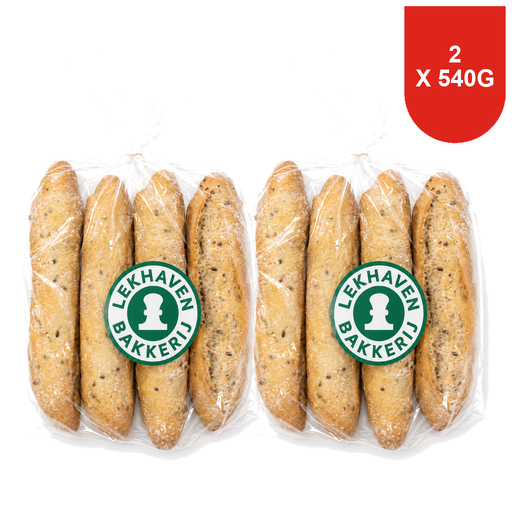 Image unavailable
Lekhaven Bakkerij Multigrain Rustic Baguette 4 x 135 g x 2
The baguette format could work well for individual lunch portions. Check the number of pieces on the packaging and allow time to defrost, bake and cool. If you’re looking specifically for wholemeal bread or certain seeds, check the ingredients and allergen information too.
View at Joybuy
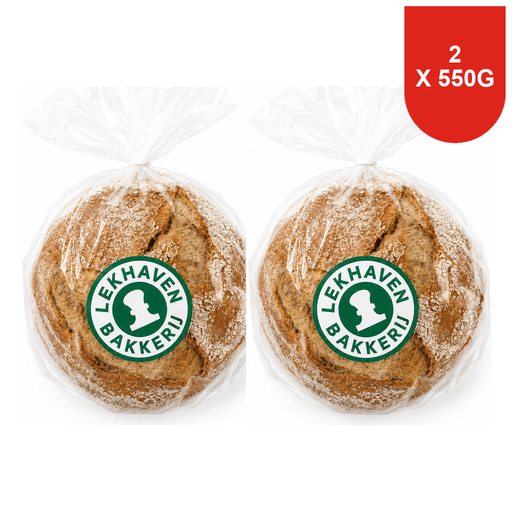 Image unavailable
Lekhaven Bakkerij Multigrain Country Bread Round 550 g x 2
The pack of two round loaves could be handy when planning several lunches. Allow time to defrost, bake and cool before slicing, and check the label for wholemeal content, nutritional information and allergens.
View at Joybuy
 Image unavailable
Lekhaven Bakkerij Multigrain Country Bread Round 550 g
This 550 g round loaf is an option if you want to slice your own lunch portions. Allow time to defrost, bake and cool, and compare the ingredients and nutritional information before choosing it for its wholemeal content or fibre.
View at Joybuy
Frequently asked questions
Is seeded multigrain bread automatically wholemeal?
No. According to the Netherlands Nutrition Centre, multigrain bread contains at least three types of grain, but the name doesn’t mean that all the flour is wholemeal. Check the wholemeal claim and the ingredients for the specific loaf.
How should I store bread for several office lunches?
If you want to use bread later, it’s best to freeze it in portions straight after buying it. The Netherlands Nutrition Centre’s guidance for wholemeal bread is 2 to 4 days in a kitchen cupboard and 1 to 3 months in the freezer. Follow the instructions on the packaging too.
Does Dutch multigrain bread always contain baker’s salt?
No. According to the Netherlands Nutrition Centre, bakers aren’t required to use baker’s salt. Check the ingredients list, or ask about unpackaged bread if this matters to your choice.
Which allergens should I check in seeded multigrain bread?
Always check the allergen information for the specific loaf. The varieties mentioned include grains containing gluten; Jumbo Stevig Meergranen also lists sesame and soya. Don’t assume allergens are present or absent based on the name or visible seeds alone.


