When choosing multigrain bread for Easter lunch, don't judge it by the seeds you can see. If wholemeal and fibre matter to you, check the ingredients and nutritional information for the specific loaf. Then choose a whole loaf or individual rolls to suit the way you want to serve them. If any guests have allergies, always check the current label, including any warnings about possible traces.
Who is this guide for?
The lunch planner looking for wholemeal and fibre
You want to know whether a multigrain loaf is actually wholemeal before serving it at Easter lunch. The name alone won't tell you; the Netherlands Nutrition Centre recommends checking the bread's ingredients.
The fan of seeds and a hearty texture
You're looking for bread whose shape and texture will work well with your toppings. You can slice and share a whole loaf, while individual rolls let each guest top their own portion.
The host who needs to consider allergens
You want to know which allergens and possible traces are listed on the packaging before serving the bread. This is especially important if a guest has a food allergy or another strict dietary requirement.
What should you look for when choosing?
First decide whether wholemeal, how you plan to serve the bread or your guests' dietary needs will be the deciding factor. Then compare only products whose current ingredients and nutritional information you can check.
| What to consider |
What to check when buying |
Who it's important for |
| Wholemeal and fibre |
Check whether the bread is explicitly labelled wholemeal and compare fibre on the same basis, for example per 100 g. The Netherlands Nutrition Centre says that multigrain does not automatically mean wholemeal. |
I want to avoid mistaking bread made with several types of grain for wholemeal bread; around 33% of consumers put checking wholemeal content and fibre first. |
| Seeds and serving size |
Check which seeds are listed and choose between a whole or half loaf, baguette or individual rolls to suit the way you plan to serve them. |
For a table where guests can top their own bread, I'm mainly looking for a suitable shape and texture; around 27% of consumers prioritise ease of serving. |
| Allergens |
Read the label on the bread you buy, including information about possible traces. Check for allergens that are relevant to your guests. |
If a guest has a food allergy, I need to know whether this particular bread is suitable; around 27% of consumers give this the highest priority. |
| Where to shop and planning |
Check your local store's range shortly before buying, along with the available bread formats and any ordering or collection options. |
I want to have the bread in time without assuming a store will always have it in stock; around 13% of consumers put this planning first. |
Common mistakes
-
Assuming multigrain means wholemeal
Multigrain refers to several types of grain, not necessarily to using the whole grain. The Netherlands Nutrition Centre points out that multigrain bread can also be made with refined flour.
Is wholemeal important to you? Look for that description on the specific product and compare its fibre per 100 g with any bread you're considering as an alternative.
-
Serving seeded bread to everyone without checking the label
Seeded bread can contain various allergens. For example, Jumbo lists cereals containing gluten, sesame and soya for its Waldkorn multigrain bread.
Ask which allergens are relevant to your guests and read the packaging of the bread you're actually serving. If someone needs to avoid a particular ingredient, choose a separate suitable product rather than relying on the bread category.
-
Relying on an out-of-date product page
Ingredients and allergy information can change. A bread shown online also doesn't necessarily reflect what's available at your local store on the day you shop.
Check your store's options shortly before Easter lunch and read the label again when you buy the bread.
-
Assuming all multigrain bread contains iodised salt
The fact that iodised salt is listed for one loaf tells you nothing about the ingredients of another.
If you want to know which salt is listed in a specific product, check that loaf's ingredients list.
Brands with suitable types of bread
These examples show the types of bread you could compare. Check ingredients, allergens and nutritional information for each product individually.
Albert Heijn
Albert Heijn describes its AH Triangel multigrain brown roll, weighing 90 g, as a lunch roll.
- Albert Heijn lists seeds, kernels and iodised salt for this roll.
- The product is shown as available in store only. Read the packaging, as product information can change.
Jumbo
The brown Waldkorn multigrain bread is a whole loaf with kernels and seeds.
- Jumbo provides nutritional information for this product per 100 g and per 35 g serving.
- The allergen information includes cereals containing gluten, sesame and soya, among others. Check the current information about possible traces too.
Lidl
Lidl describes a hearty multigrain bread made with a mix of grains and seeds, including wheat, barley and buckwheat.
- The description of its texture gives you a useful point of comparison if you're looking for a hearty loaf for the lunch table.
- The bread is shown as available in store only. Check your local store's range and the current ingredients and allergen information.
ALDI
ALDI describes both a seeded multigrain baguette and a half loaf of farmhouse wholemeal multigrain bread.
- These two bread formats give you different options for slicing and serving.
- Check which product is available in store and read the label on the version you choose.
PLUS
PLUS Korenlanders Light Multiseed Bread is available as a whole or half loaf.
- PLUS provides ingredients and nutritional information for this product. The ingredients list includes wholemeal wheat flour, wheat flour, sunflower seeds, linseed and sesame, among other ingredients.
- Check the packaging for allergens and possible traces. The presence of wholemeal wheat flour doesn't mean you can skip the rest of the ingredients list.
Dirk
Dirk describes a whole multigrain hearth-baked loaf with grains and seeds, as well as a separate half loaf of multigrain bread.
- Choosing between a whole or half loaf can help you find the right size for your lunch table.
- Check the ingredients and allergens of the loaf you choose in store.
Joybuy products for Easter lunch
These multigrain loaves and rolls come in a range of formats for Easter lunch: round loaves to share, a baguette and individual rolls. Check the seeds, ingredients and nutritional information for each version if they affect your choice.
 No image available
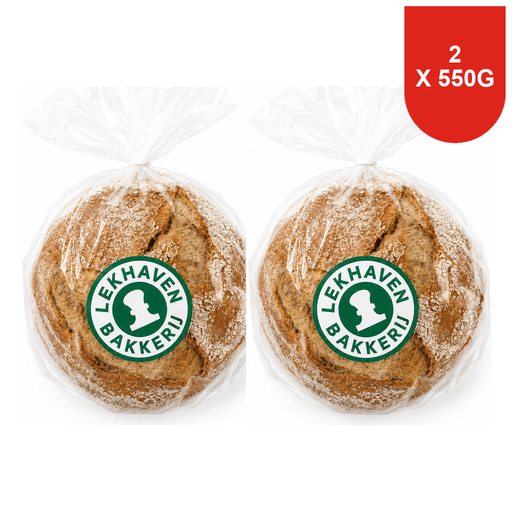
Lekhaven Bakkerij Multigrain Country Bread Round, 2 × 550 g
Slice and share this round loaf at Easter lunch. The product name indicates two 550 g loaves; remember to allow time for defrosting and baking when planning your lunch. Check the packaging for listed seeds and allergens, and compare fibre per 100 g if that matters to your choice.
View at Joybuy
 No image available
Lekhaven Bakkerij Multigrain Country Bread Round, 550 g
This 550 g round loaf is a good option if you want to slice a single loaf for lunch. Allow time for defrosting and baking, and follow the instructions on the packaging. Check the label for ingredients, allergens and fibre per 100 g if these affect your choice.
View at Joybuy
 No image available
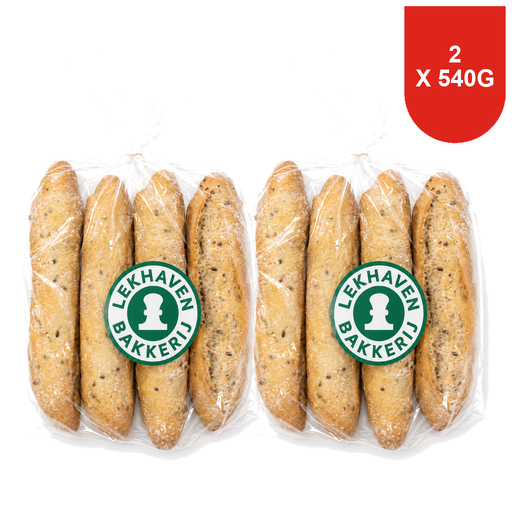
Lekhaven Bakkerij Multigrain Rustic Baguette, 135 g each
The baguette format is a good choice if you'd like to serve individual loaves at Easter lunch. Check the number of baguettes on the packaging before planning portions, and allow time for defrosting and baking. Read the label if the seeds, allergens or fibre content will affect your choice.
View at Joybuy
 No image available
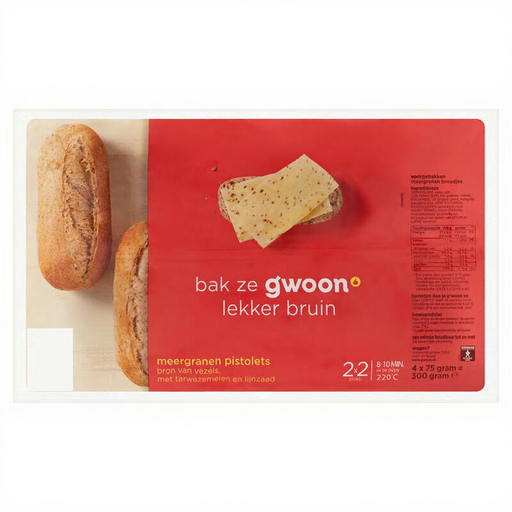
g'woon Multigrain Rolls, 4 rolls
Four individual rolls make it easy to prepare a portion for each guest. If anyone has a sesame allergy, check the current label before serving: the available product information lists sesame both as an allergen and as a possible trace. Also check the ingredients and fibre per 100 g if wholemeal or fibre content matters to you.
View at Joybuy
Frequently asked questions
Is seeded multigrain bread automatically wholemeal?
No. The Netherlands Nutrition Centre says that multigrain bread can also be made with refined flour. Look for the word wholemeal on the bread you want to buy, and compare fibre on the same basis, for example per 100 g.
Which allergens should I check in seeded bread for Easter lunch?
Check the label on the bread you've chosen for any allergens relevant to your guests, including warnings about possible traces. For example, cereals containing gluten, sesame and soya are listed for Jumbo's Waldkorn multigrain bread; other products may have different ingredients.
Does all multigrain bread contain iodised salt?
You can't tell from the name multigrain bread. Albert Heijn lists iodised salt in its multigrain triangle roll; for other bread, check its own ingredients list.
How should I store the bread until Easter lunch?
Follow the storage instructions for the bread you buy. Jumbo and PLUS recommend storing the products mentioned here in a cool, dry place away from light. If a loaf needs defrosting or baking, allow time for each step and follow the instructions on the packaging.


