Choose wholemeal multigrain bread with seeds if wholemeal status and nutritional information matter: ‘multigrain’ alone doesn’t mean a loaf is wholemeal. Sliced bread is a good fit for a short serving window, while bake-at-home bread needs oven space and time. If you’re serving unpackaged bread at a buffet, check the allergen information for the exact product supplied.
Who are these choices relevant to?
Organisers who want to offer wholemeal bread
You want to be able to tell from the product description and ingredients whether your chosen multigrain bread is actually wholemeal. You’ll also want to compare the nutritional information for the options you’re considering.
Caterers who need to inform guests about allergens
You’re serving unpackaged bread or filled rolls and need information about the allergens in each bread option before guests make their choice.
Teams with a fixed break time
You need to serve lunch during a short break. Choosing between sliced bread and bake-at-home bread, as well as the oven space available, can affect how you plan the work.
What should you consider when choosing?
For a conference lunch, first decide what product and allergen information you need. Then choose a type of bread your team can serve on time.
| What to consider |
What to check when buying |
Who it matters to |
| Wholemeal status and fibre |
Check the product description, the wholemeal flour used and the fibre per 100 g for your chosen option. According to the Voedingscentrum, ‘multigrain’ means that bread contains at least three types of grain; it doesn’t mean the bread is wholemeal. |
If I want to serve wholemeal bread at a conference lunch, I want to be able to confirm that from the label rather than rely on the name. Around 29% of consumers say this is their top priority. |
| Allergens |
Request up-to-date ingredient and allergen information for the product supplied; pay particular attention to cereals containing gluten and sesame. The Netherlands Food and Consumer Product Safety Authority says customers must be informed about the 14 allergens in unpackaged food. |
I want to be able to tell guests which allergens each type of bread contains before they choose. This information is the top priority for around 29% of consumers. |
| Serving and stock |
Check whether the bread is whole, sliced or needs baking, and match the number of portions needed to the break time. If freezing it, follow the instructions for your chosen option. |
During a short break, I want to serve the bread without slowing down the queue to slice it or bake another batch. This is the main consideration for around 24% of consumers. |
| Seeds and serving style |
Check which seeds are listed in the ingredients and whether the type of bread you choose will work with your planned fillings and presentation. |
If the bread visibly contains seeds, I want to know whether the texture and portion sizes will suit the lunch I’m serving. Around 18% of consumers say this is what they consider first. |
Common ordering mistakes
-
Assuming ‘multigrain’ means ‘wholemeal’
According to the Voedingscentrum, ‘multigrain’ refers to the use of at least three types of grain. So the name alone doesn’t confirm that the bread meets a specific request for wholemeal bread.
Check the product description and ingredients for the exact option you’re ordering. Compare the nutritional values per 100 g if fibre is important to your choice.
-
Only stating ‘contains gluten’ at the buffet
An allergen list that isn’t based on the bread supplied could leave guests without information about allergens it contains. For seeded bread, pay particular attention to sesame if it’s listed as an ingredient or a possible trace on the product specification.
Prepare an up-to-date list for each option using the packaging or product specification, and make sure guests can access the information before choosing.
-
Ordering bake-at-home bread without planning oven time
Bake-at-home bread needs to be prepared as part of your set-up. PLUS gives a baking time of 8–10 minutes at 220 °C for its Korenlanders multigrain baguette. If you’re baking several batches, you’ll also need to consider how much oven space is available.
Plan your batches around the break and follow the instructions for the product you’ve chosen. Choose ready-to-serve bread if baking doesn’t fit your serving schedule.
-
Preparing more bread than you can use
If attendance varies and you haven’t planned portions, you could be left with bread that has already been prepared for serving.
Match the quantity to the expected number of portions. The Voedingscentrum recommends freezing bread in portions as soon as you buy it and taking out only what you need. Also follow the instructions on the product packaging.
Brands and retailers to explore
These examples show different types of bread and product information. Before placing an order, always check the specifications and availability of the option you’ve chosen.
Albert Heijn
Albert Heijn lists products including AH Vloerbrood meergranen heel, a whole brown multigrain loaf with grains and sunflower seeds.
- The product information lists 31% wholemeal wheat flour and nutritional values, including 5,2 g of fibre per 100 g and 0,65 g of salt per 100 g.
- Check the current packaging and confirm whether the bread is available at your chosen store for your order.
Jumbo
Jumbo offers examples including a half wholemeal multigrain loaf and a whole seeded and grain-topped tin loaf.
- For Boeren Donker Volkoren Meergranen Half, Jumbo lists ingredients including sunflower seeds and linseed; its tin loaf comes with freezing instructions.
- Check the ingredients, allergens and availability for each option before planning how you’ll serve it.
Lidl
Lidl describes a multigrain bread containing ingredients such as wheat, barley, buckwheat and seeds.
- The grains and seeds listed give you a starting point for assessing the type and texture of this option.
- If you’re serving it at a buffet, request current ingredient, allergen and nutritional information for the option you’ve chosen.
Aldi
ALDI lists products including luxe vloerbrood meergranen and boeren volkoren meergranen.
- The wholemeal name distinguishes the boeren loaf from the other multigrain bread listed; ALDI describes its luxe vloerbrood as pre-sliced.
- Before serving the bread at a buffet, check the packaging for the option you’ve chosen to confirm its ingredients and allergens.
Plus
PLUS lists Korenlanders breads for different ways of serving, including a whole dark multigrain loaf and a bake-at-home baguette.
- For the dark loaf, PLUS lists 50% wholemeal wheat flour, sesame and 6,8 g of fibre per 100 g. For the multigrain baguette, PLUS gives an oven time of 8–10 minutes at 220 °C.
- The bake-at-home option needs oven space. Check the latest allergen information and availability for both options.
Dirk
Dirk lists products including Bakker van der Akker Multikorn multigrain rolls for individual lunch portions.
- The product information describes a pack of four rolls with seeds and grains.
- Dirk doesn’t offer delivery for this product. Arrange collection and check store stock in advance to make sure they fit your catering plans.
Bread options for different ways of serving
These Joybuy products include a round multigrain loaf, multigrain baguettes that need oven time before serving, and individual multigrain rolls. Choose the type that suits your portion and serving plan. If you need wholemeal bread or are serving unpackaged bread at a buffet, always check the current packaging.
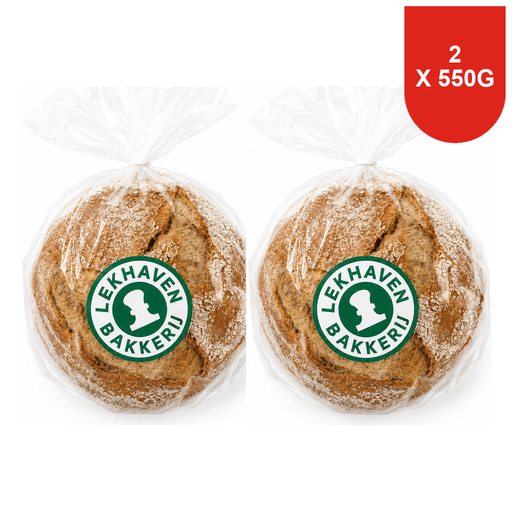 Image unavailable
Lekhaven Bakkerij Multigrain Country Bread Round, 2 × 550 g
An option to consider if you want to include round loaves in your portion plan and have time to prepare them on site.
The product name lists two 550 g loaves. Plan to defrost and bake them according to the packaging supplied; also check it for wholemeal status, nutritional values and allergens.
View at Joybuy
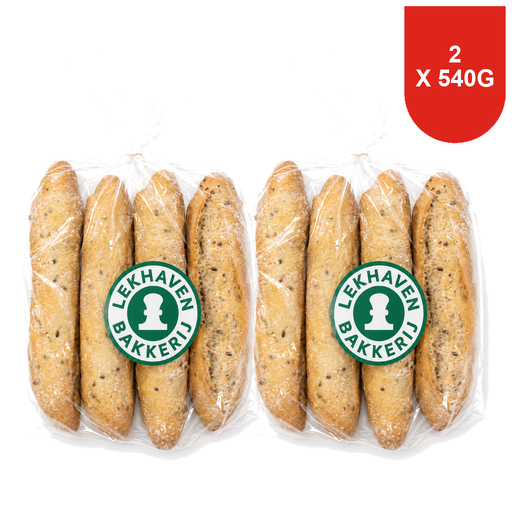 Image unavailable
Lekhaven Bakkerij Multigrain Rustic Baguette, 2 × (4 × 135 g)
Worth considering if individual baguettes suit your lunch plan and you have oven space around serving time.
The product name lists two packs, each containing four 135 g baguettes. Follow the preparation instructions on the packaging supplied, and check the wholemeal status and allergens before serving the bread.
View at Joybuy
 Image unavailable
Lekhaven Bakkerij Multigrain Rustic Baguette, 4 × 135 g
An option for a lunch with individual baguettes, as long as defrosting and baking fit into your schedule.
The product name lists four 135 g baguettes. Base your oven timings on the instructions on the packaging supplied, and check the wholemeal status and allergen information for this option.
View at Joybuy
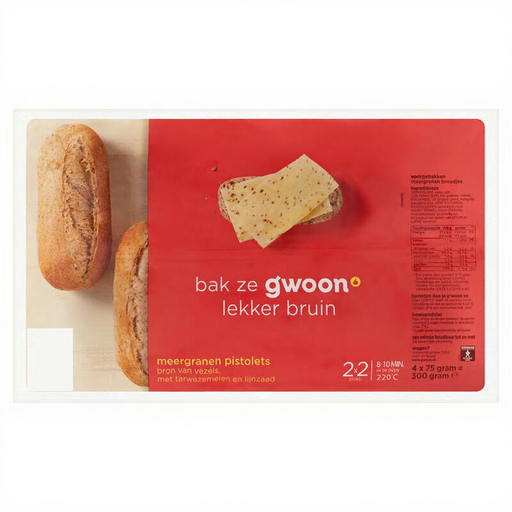 Image unavailable
g'woon Multigrain Rolls, 4 pieces
An option if you want to serve individual multigrain rolls at lunch.
The product name lists four rolls. Check the packaging supplied to see whether they need preparing and whether sesame is listed as an ingredient or a possible trace. Use the same packaging to check the other allergen information.
View at Joybuy
Frequently asked questions
Is multigrain bread automatically wholemeal?
No. According to the Voedingscentrum, multigrain bread contains at least three types of grain; the name doesn’t mean they’re all wholemeal. Check the product description and ingredients for the option you want to serve.
How should I provide allergen information for unpackaged bread at a conference buffet?
Make sure guests can access information about the allergens in the bread supplied before they choose. The Netherlands Food and Consumer Product Safety Authority says businesses serving unpackaged food must inform customers about the 14 allergens. Use the current product specification to prepare the buffet information.
How should I plan the bread if the number of lunch guests might vary?
Plan portions and avoid preparing all the bread at once. The Voedingscentrum recommends freezing bread in portions as soon as you buy it and taking out only what you need each time. Also follow the storage instructions for the product you’ve chosen.
Can you tell from ‘multigrain’ whether baker’s salt has been used?
No, the name of the bread doesn’t tell you that. The Netherlands Food and Consumer Product Safety Authority states that iodine compounds may be present in bread through the use of baker’s salt, with a limit of 65 mg of iodine per kg of salt. If the use of iodised salt matters for your order, check the ingredient information for the option you’ve chosen.


