
Canteens comparing wholemeal bread and fibre
They want to know whether a bread is explicitly labelled wholemeal, and compare its fibre and salt per 100 g. A sprinkling of seeds alone says nothing about whether the bread is made with wholemeal flour.


For a workplace canteen, don’t choose bread based only on visible seeds or the word ‘multigrain’. Check whether it is labelled wholemeal, compare fibre and salt per 100 g, and read the allergen information. Then match the bread format and preparation to your daily lunch service: bread that needs to be thawed and baked requires different planning from bread that can be served straight away.
They want to know whether a bread is explicitly labelled wholemeal, and compare its fibre and salt per 100 g. A sprinkling of seeds alone says nothing about whether the bread is made with wholemeal flour.
They need to be able to tell guests which allergens are present in unpackaged bread. With seeded multigrain bread, it’s particularly important to check which gluten-containing cereals are used and whether it contains sesame, according to the Netherlands Food and Consumer Product Safety Authority.
They’re looking for a whole or half loaf, or individual rolls, in quantities and formats that suit expected demand and any preparation required.
Start with the legal product description and the ingredient and allergen information. Then choose the quantity and preparation format that suit your lunch service.
| What to consider | What to check when buying | Who it matters to |
|---|---|---|
| Wholemeal and fibre | Look for the wholemeal label and compare the fibre per 100 g in the nutritional information. | If fibre is a priority for my lunch menu, I want to be able to compare breads on a like-for-like basis. Around 40% of consumers rank this need as their top priority. |
| Allergen information | Check the latest ingredients and allergen declaration, and make sure information about unpackaged bread is available where it is served. | When serving seeded bread, I want to be able to give guests clear information about any allergens it contains. This is the main concern for around 30% of consumers. |
| Daily service | Choose a suitable quantity per pack and check whether the bread needs to be thawed or baked. | When lunch demand varies, I want to be able to match the quantity of bread and preparation to the service. This practical consideration is the top priority for around 30% of consumers. |
Seeds add texture, but the word ‘multigrain’ does not confirm that the bread is wholemeal. Under the Dutch Commodities Act Decree on Flour and Bread, ‘multigrain’ means that at least three different types of cereal are used in the flour component.
Read the product description and compare fibre per 100 g if choosing wholemeal bread is important to you.
As well as gluten-containing cereals, seeded multigrain bread may contain sesame or other allergens. The Netherlands Food and Consumer Product Safety Authority requires providers to inform consumers about allergens present in unpackaged food.
Use the latest information for the exact bread you’ll serve in the canteen, and update it if the product or recipe changes.
According to Albert Heijn’s product information, AH Zaans multigrain whole loaf contains 0.9 g of salt per 100 g; PLUS lists around 1.02 g per 100 g for its Korenlanders Donker multigrain round loaf. So the word ‘multigrain’ doesn’t tell you the salt content of a particular bread.
Compare the latest nutritional information per 100 g for the breads you’re considering.
AH Zaans multigrain whole loaf is one example of brown multigrain bread with seeds.
Jumbo lists both a whole Stevig Meergranen loaf and a half Boeren Donker Volkoren Meergranen loaf.
Lidl describes its multigrain bread as a loaf with grains and seeds, available in store.
ALDI lists Boeren volkoren meergranen as a whole loaf containing grains and seeds.
PLUS lists several multigrain varieties, including Korenlanders Donker meergranen rond heel.
Dirk lists Vloerbrood meergranen heel, among other multigrain varieties.
These loaves and baguettes are options for a canteen lunch where a multigrain variety is preferred. If you’re choosing based on wholemeal content, fibre or allergens, always compare the latest information for the exact product. Both varieties also need to be prepared before serving.
 No image available
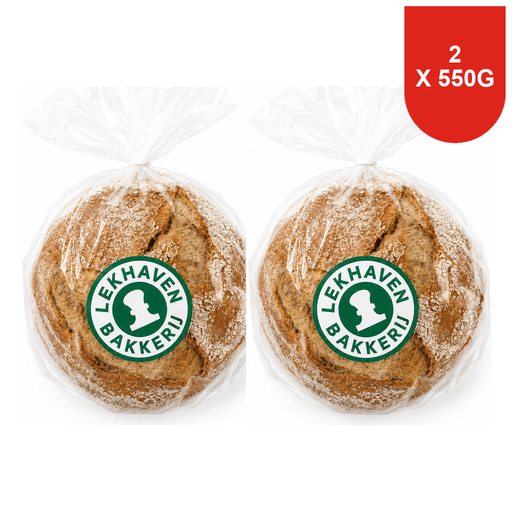
An option for lunch services where there’s time to thaw the bread, bake it and leave it to cool beforehand.
Before offering this bread as a wholemeal option or serving it unpackaged, check its legal product name, nutritional information per 100 g and latest allergen declaration.
 No image available
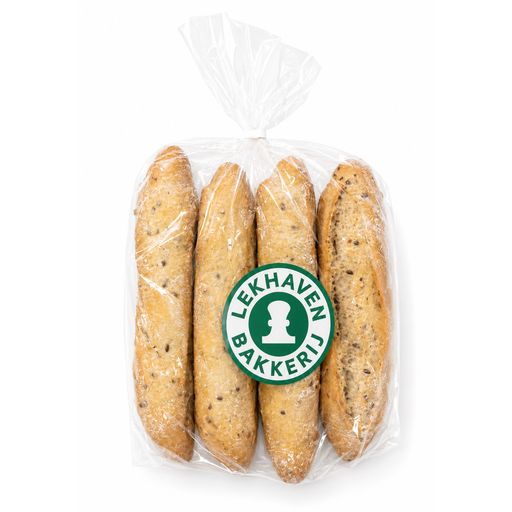
Individual baguettes can suit a lunch service planned around one roll per person, as long as there’s time to thaw and bake them.
Before choosing this variety for your canteen menu, check whether it is labelled wholemeal, its nutritional information per 100 g and its latest allergen declaration.
No. Under the Dutch Commodities Act Decree on Flour and Bread, ‘multigrain’ refers to at least three different types of cereal in the flour component, not to bread made entirely with wholemeal flour. If you want wholemeal bread, look for an explicit wholemeal label and compare the nutritional information too.
Yes. The Netherlands Food and Consumer Product Safety Authority says that providers must inform consumers about allergens present in unpackaged food. Use the latest information for the bread you’re serving and, for gluten-containing cereals, specify which cereals they are.
No. The Netherlands Nutrition Centre states that using baker’s salt is not compulsory. Check the label or ask the baker which salt was used for that particular bread.
That depends on the bread and its storage and preparation instructions. Follow the instructions for the variety you choose and allow time to thaw it and bake it, if necessary, before serving lunch.