
Camper looking for seeds
You want a roll with a seed texture, so you check the ingredients rather than relying on a warning that the product may contain sesame.


Choose a Kaiser roll for its seeds only if those seeds are actually listed in the ingredients: ‘may contain sesame’ is not proof that sesame has been added. If the Kaiser shape matters more to you than seeds, compare wholemeal Kaiser rolls by their ingredients and nutritional value. If seed texture comes first, another type of bread may also be worth considering. For camping, make sure you can prepare and store your choice with the facilities you have.
You want a roll with a seed texture, so you check the ingredients rather than relying on a warning that the product may contain sesame.
You want a Kaiser roll made with a wholemeal base and compare the fibre per 100 g. You also bear in mind that wholemeal does not mean seeds have been added.
You choose rolls to suit the appliance you can use and the storage instructions for an opened pack.
First decide whether you care most about the Kaiser shape, added seeds or a wholemeal base. Then check that you can prepare and store your chosen roll at the campsite. If you have an allergy, always check the latest allergen information before choosing based on appearance.
| What to look for | What to check when buying | Who is this important to? |
|---|---|---|
| Added seeds | Look for specific seeds in the ingredients list. Treat ‘may contain sesame’ as an allergen warning, not as an ingredient. | If I choose a roll for its seed texture, I want to know that the seeds are actually in it. Around 31% of consumers say this is their top priority. |
| Wholemeal and fibre | Compare the grain base and fibre per 100 g on the label; don’t assume a wholemeal base just because you can see seeds. | I want a Kaiser roll made with wholemeal wheat flour, so I compare the nutritional information. This matters most to around 31% of consumers. |
| Preparation and storage | Check the appliance, temperature, cooking time and storage instructions after opening. | Without a suitable appliance or enough storage space, I can’t simply take any bake-at-home roll with me. Around 23% of consumers prioritise ease of preparation and storage. |
| Allergens and salt | Read the allergen information and check separately whether baker’s salt or iodised salt is listed as an ingredient. | If I have a relevant allergy, I need to know the ingredients and warnings for the specific roll before buying. Around 15% of consumers put this check above the other selection criteria. |
For comparison, Albert Heijn lists 7.1 g of fibre per 100 g for its wholemeal Kaiser roll, while PLUS lists 6.9 g per 100 g for its wholemeal version. These figures relate to those specific products; they don’t mean that a wholemeal Kaiser roll also contains seeds. Always follow the cooking times and temperatures on the packaging of the rolls you take with you.
A roll may carry this warning even if sesame hasn’t been added to the recipe. For the Kaiser rolls described by Jumbo, sesame is listed as a possible allergen, not as an ingredient.
If you want a seed texture, look for seeds explicitly listed in the ingredients. Check allergen warnings separately to decide whether the product is suitable for you.
These terms answer different questions: wholemeal describes the grain base, while added seeds are listed separately in the ingredients. The Kampioentje described by ALDI contains sesame and poppy seeds, but it’s a multigrain roll, not a Kaiser roll.
Decide which quality matters most, then compare the product name, ingredients and nutritional information per 100 g.
A short cooking time won’t help if you don’t have the required appliance at the campsite. Instructions for storing an opened pack may also affect how many rolls you can realistically take with you.
Before you leave, check the appliance, preparation instructions and storage advice for your chosen product.
According to the Voedingscentrum, bakers aren’t required to use baker’s salt. The type of bread or the name of the shop won’t tell you which salt is in a particular roll.
Check the label for baker’s salt or iodised salt. If you’re buying unpackaged bread and this matters to your choice, ask about the ingredients.
These product examples help you distinguish Kaiser rolls from alternatives. The ingredients, nutritional values and preparation instructions apply to the variants mentioned; always check the specific product when you buy it.
Offers both bake-at-home Kaiser rolls and a wholemeal Kaiser roll in the product ranges described.
The pack described contains four white, part-baked Kaiser rolls.
Describes a white wheat Kaiser roll baked in store.
Describes white bake-at-home Kaiser rolls, as well as the Kampioentje, which is a different type of bread.
Describes both white and wholemeal Kaiser rolls, sold individually.
Describes a pack of four 1 de Beste bake-at-home Kaiser rolls.
These two brioche products are alternatives for a camping meal where the Kaiser shape isn’t essential. The first product name mentions sesame and flaxseed decoration; if seeds are a must, check the ingredients of the second. Both are different types of bread from a Kaiser roll.
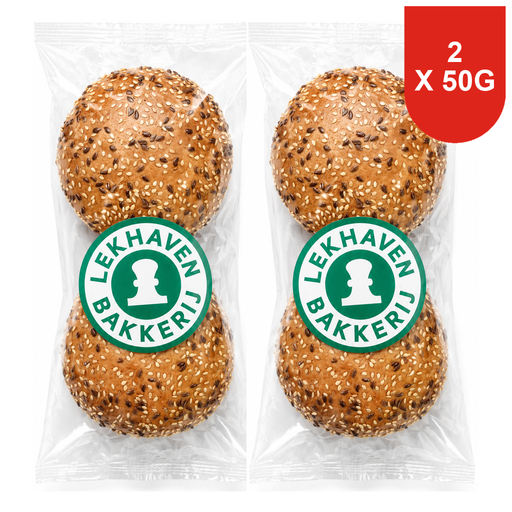 Image unavailable
Worth comparing if seed decoration matters more to you than the Kaiser shape; the product name mentions sesame and flaxseed. These are 50 g brioche rolls, with two in the pack.
Allow around four hours to defrost and use within two days of defrosting. Before buying, check the latest allergen information and whether the storage instructions suit your journey to the campsite.
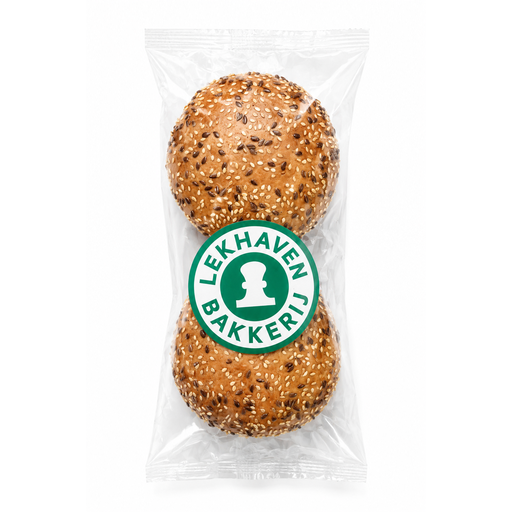 Image unavailable
A brioche burger bun for a camping meal where you don’t need a Kaiser roll. The pack contains two 50 g rolls; check the ingredients if added seeds are important to you.
Allow around four hours to defrost and use within two days of defrosting. Read the storage and allergen information on the packaging before transporting and using the product.
Look for the seeds you want, such as sesame or poppy seeds, in the ingredients list. ‘May contain sesame’ indicates possible presence as an allergen; it doesn’t confirm that sesame has been added to the recipe. This distinction is relevant, for example, for the Kaiser rolls described by Jumbo.
No, not necessarily: wholemeal describes the grain base, while seeds are separate ingredients. For their wholemeal Kaiser rolls described here, Albert Heijn and PLUS list 7.1 g and 6.9 g of fibre per 100 g respectively. Check the ingredients separately if you’re looking for seeds.
Yes, as long as you can use the required appliance and follow the storage instructions. For example, Albert Heijn says its bake-at-home Kaiser rolls described here take 5–6 minutes in an air fryer at 200 °C or 6–8 minutes in an oven at 220 °C. Follow the instructions on the pack you’re actually taking with you.
No. According to the Voedingscentrum, bakers aren’t required to use baker’s salt. Check the label of the specific roll to see whether baker’s salt or iodised salt is listed as an ingredient.
For a pre-packed roll, read the allergen information on the label; the Netherlands Food and Consumer Product Safety Authority lists sesame seeds as an allergen that must be declared. If you’re buying unpackaged bread, ask about the allergen information before you buy. Don’t judge whether it’s suitable for you by its name or appearance.