
Organisers looking for visible seeds
They want rolls with recognisable seeds or kernels to add texture and variety to the buffet. A different shape from a classic Kaiser roll may be perfectly acceptable.


Choose a roll with clearly stated seeds or kernels if texture and a visible seed mix matter more than the classic Kaiser shape. Check the ingredients and allergen information for each product, and plan preparation around your oven capacity and serving time. A wholemeal or multigrain Kaiser roll will not necessarily have visible seeds.
They want rolls with recognisable seeds or kernels to add texture and variety to the buffet. A different shape from a classic Kaiser roll may be perfectly acceptable.
They serve rolls unpackaged and need to be able to give guests information about any allergens present. For seeded rolls, sesame and cereals containing gluten are among the ingredients to watch out for. Check the declaration for every product you choose.
They need to know how many rolls can be baked in each batch and when they will be ready to serve. The instructions for the chosen product and a trial run in the available oven are both important.
First decide whether visible seeds are essential. Then choose a type of roll to suit the buffet, and check the allergen information and preparation instructions for each product.
Choose this if: you want a visible seed mix and texture is an important part of the buffet.
Bear in mind: options such as the PLUS Rustic multiseed roll and ALDI Kampioentje may not have the classic Kaiser shape. Check their allergen information too.
Choose this if: the Kaiser shape and the nutritional information provided matter more than a visible seed mix. Albert Heijn lists 7.1 g of fibre per 100 g for its wholemeal Kaiser roll.
Bear in mind: wholemeal does not mean the roll has visible seeds.
Choose this if: uniform, individual rolls in a familiar shape are your priority.
Bear in mind: AH’s white Kaiser rolls are not seeded, and Albert Heijn’s instructions say to bake them for 8–10 minutes at 220°C.
| What to consider | What to check when buying | Who it matters to |
|---|---|---|
| Seeds and texture | Check which seeds or kernels are listed in the ingredients; don’t rely on the word ‘multigrain’ alone. | If the rolls also need to look at home on a buffet featuring seeds, I want to know what is actually on or in them. For around 36% of consumers, a visible seed mix is the main priority. |
| Allergen information | Check the latest allergen declaration for each product. If you are serving food unpackaged, make sure the required information is available to guests. | At an open buffet, I want to be able to answer questions about ingredients before someone chooses a roll. Accurate allergen information is the top priority for around 29% of consumers. |
| Preparation and serving | Compare the product instructions with your available oven capacity and test how many rolls fit in each batch. | When lots of guests are having lunch at the same time, I want to avoid some of the rolls still being in the oven. Around 21% of consumers give serving arrangements top priority. |
| Nutritional information | Compare fibre per 100 g and check the label to see whether iodised salt or baker’s salt has been used. | If I want to compare fibre or ingredients, I need the information for the specific roll. For around 14% of consumers, this product information is their main concern. |
Those terms do not automatically mean a roll has a visible mix of seeds. A seeded roll may also have a different shape from a Kaiser roll.
Decide whether the Kaiser shape or the seed mix matters more, then read the ingredients list for the product you choose.
The Netherlands Food and Consumer Product Safety Authority says that information about allergens present must be available when food is served unpackaged. For cereals containing gluten and nuts, the specific type must also be stated.
Keep a record of the latest information for each roll and make it available to guests where the food is served.
Baking instructions vary by product. Albert Heijn says to bake its white Kaiser rolls for 8–10 minutes at 220°C; PLUS says to bake its multigrain Triangels for 6–8 minutes at 220°C. These timings are not interchangeable.
Check the instructions for the roll you choose and test in advance how many will fit in your oven at once.
According to the Netherlands Nutrition Centre, bakers are not required to use baker’s salt. The presence of iodised salt can therefore vary from one product to another.
Check the label or ask the baker which salt was used before making any claims about it.
Useful for comparing a white bake-at-home Kaiser roll with a separate wholemeal Kaiser roll.
Its bake-at-home range includes different types of bread, including white and wholemeal Kaiser rolls as well as multigrain alternatives.
A useful option if you plan to collect rolls from a shop shortly before the event.
A useful option for individual multigrain rolls that specifically list seeds.
A useful option for an individual multiseed roll with specified ingredients, as well as separate bake-at-home options.
A useful option for larger bake-at-home loaves if sliced bread would also work for your buffet.
These options suit a buffet where seeds or kernels matter more than the classic Kaiser shape. Bear in mind the difference between individual rolls and larger loaves that may need slicing.
 Image unavailable
A good choice for a buffet featuring bread with sunflower seeds, sesame seeds and linseed. The baguette shape may mean you need to slice it into smaller portions.
According to the product information, preparation involves defrosting for around 4 hours, then baking for 5–7 minutes at 220°C. Check the latest allergen information on the packaging before serving.
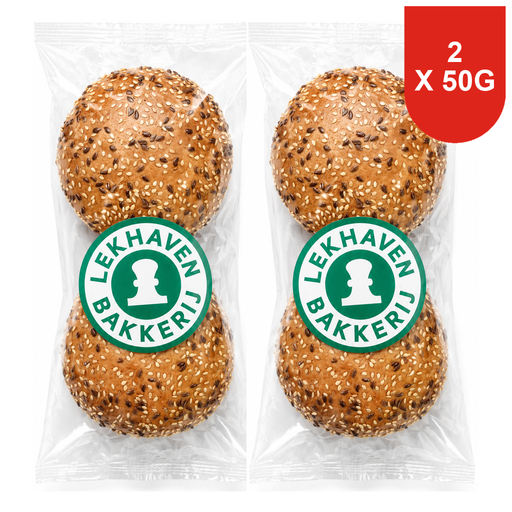 Image unavailable
A brioche roll topped with sesame and linseed, for serving individual rolls rather than sliced bread.
This is not a Kaiser roll. The product description lists ingredients including butter, milk and sugar, and a defrosting time of around 4 hours. Before ordering, check how many rolls come in a pack and read the latest allergen declaration.
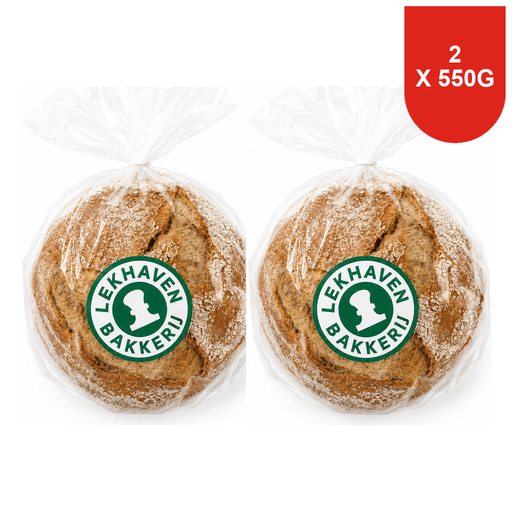 Image unavailable
A good fit for a buffet serving sliced multigrain bread with sunflower seeds, linseed and sesame seeds. This round loaf is not a substitute for individual Kaiser rolls.
Preparation involves defrosting, baking for 11–13 minutes at 220°C, then leaving the loaf to cool. Allow time to slice it, and check the latest allergen information on the packaging.
Yes. If rolls are served unpackaged, information about any allergens present must be available to guests. The Netherlands Food and Consumer Product Safety Authority also requires you to state the specific type of cereal containing gluten or nut. Make sure the information is available where the food is served; additional requirements apply if you provide it verbally.
No. You cannot make that assumption about all rolls or all guests. PLUS lists wheat, rye and sesame among the ingredients in its Rustic white multiseed roll. Check the latest ingredients and allergen declaration for every product you choose rather than relying on the word ‘seeded’.
No. Don’t assume that from the word ‘multigrain’. Compare the ingredients and fibre per 100 g for the exact products you are considering: Albert Heijn lists 7.1 g of fibre per 100 g for its wholemeal Kaiser roll, while the product information for the white AH Kaiser roll says it contains less than 3 g per 100 g.
No. According to the Netherlands Nutrition Centre, bakers are not required to use baker’s salt. Check the label or ask the baker which salt is used in the specific roll.
Follow the instructions for the product you choose and test in advance how many rolls fit in your oven at once. PLUS says to bake its multigrain Triangels for 6–8 minutes at 220°C, while Albert Heijn says to bake its white Kaiser rolls for 8–10 minutes at 220°C. Don’t use the baking time for one product as a guide for another.