For a late-night snack, if you want to stick with the Kaiser roll shape and keep an eye on fibre, compare wholemeal Kaiser rolls using their nutritional information per 100 g. If seeds and texture matter more, a seeded multigrain roll could be a good fit, even if it isn’t a Kaiser roll. Either way, check the ingredients and allergen information. For bake-at-home rolls, preparation time and storage advice matter too.
Who might each option suit?
For anyone looking for a Kaiser roll with fibre
You want a Kaiser roll, but would rather compare its wholemeal base and fibre per 100 g than judge it by colour alone. Albert Heijn lists 7.1 g of fibre per 100 g for its wholemeal Kaiser roll, although this doesn’t confirm that it contains seeds.
For anyone who prioritises seeds and texture
You want to see which kernels or seeds are in the roll and are happy to choose a different shape if necessary. PLUS’s multigrain triangle lists sunflower seeds and linseed, but it isn’t a Kaiser roll. Check the allergen information on the pack you choose too.
For anyone looking to bake something late in the evening
You want to know in advance how long it takes to heat the rolls and how to store any leftovers. Preparation and storage instructions vary by product, so choose an option with guidance that suits when you plan to have your snack.
What should you look for when choosing?
First decide whether the Kaiser roll shape or clearly listed seeds matter most. Then compare the nutritional information, allergens and preparation needed for the specific products.
Wholemeal Kaiser roll
A good fit if: you want to stick with the Kaiser roll shape and compare fibre information on the label.
Bear in mind: wholemeal doesn’t automatically mean the roll contains seeds.
Seeded multigrain roll
A good fit if: confirmed kernels and seeds matter more to you than the classic roll shape.
Bear in mind: PLUS’s seeded triangle isn’t a Kaiser roll, and the word ‘multigrain’ alone doesn’t tell you how many seeds it contains.
White bake-at-home Kaiser roll
A good fit if: you mainly want a Kaiser roll that you can bake shortly before eating.
Bear in mind: PLUS’s white bake-at-home Kaiser rolls list 2.46 g of fibre per 100 g and need to be baked.
| What to consider |
What to check when buying |
Who should pay particular attention? |
| Wholemeal and fibre |
Check the ingredients and compare fibre per 100 g; ‘multigrain’ doesn’t automatically mean ‘wholemeal’. |
If I’m having a Kaiser roll late at night, I want to keep the Kaiser shape without judging fibre content by the colour. Around 45% of consumers put wholemeal and fibre first. |
| Seeds and allergens |
Look for the named seeds in the ingredients list and read the allergen information, including any ‘may contain’ statements. |
I’d rather choose a roll with clearly identifiable seeds and accept a different shape, as long as the allergen information suits my needs. Seeds and texture are the top priority for around 33% of consumers. |
| Preparation and storage |
Compare the preparation method and time, pack size and storage advice on the packaging. |
If I only get hungry late, I want to know in advance whether the roll needs defrosting or baking. Being able to prepare something quickly and easily is the main concern for around 22% of consumers. |
Common mistakes
-
Assuming ‘multigrain’ or ‘seeded’ means ‘wholemeal’
According to the Netherlands Nutrition Centre, multigrain bread contains at least three types of grain. The term doesn’t tell you how much wholemeal flour or how many seeds the roll contains.
Read the ingredients and, if fibre matters to you, compare the nutritional information per 100 g. Don’t rely on visible seeds instead of checking.
-
Skipping the allergen information
A seeded roll may also contain ingredients that are relevant to you as allergens. PLUS’s multigrain triangle lists cereals containing gluten and carries a warning about sesame and nuts, among other things.
For pre-packed rolls, read the current allergen information and any ‘may contain’ statement. If you’re buying loose rolls, ask for the information before choosing.
-
Assuming every roll contains iodised salt
The Netherlands Nutrition Centre says that bakers’ salt contains iodine, but bakers aren’t required to use it. So the ingredients in one roll don’t tell you anything about another.
Check the ingredients for ‘iodised salt’ or ‘bakers’ salt’ if this matters to your choice.
-
Planning bake-at-home rolls as a snack without allowing for preparation
Bake-at-home rolls need to be prepared, and the time and method depend on the product. Bread that needs defrosting first may be less suitable for a spontaneous snack.
Check the full preparation instructions before you buy. Once opened, follow the storage advice on the packaging. The Netherlands Nutrition Centre’s Food Storage Guide also gives advice on storing opened bake-at-home rolls.
Brands compared
Albert Heijn
A useful option if you’re specifically looking for a wholemeal Kaiser roll.
- AH’s wholemeal Kaiser roll lists 7.1 g of fibre per 100 g and iodised salt.
- ‘Wholemeal’ doesn’t confirm that this roll contains seeds, so check the ingredients.
Jumbo
A useful option if you want to compare different roll shapes within the same range.
- The category page includes wholemeal frozen Kaiser rolls and multigrain triangles, among other options.
- Check the ingredients and allergens for the specific product you choose; a category description won’t tell you what’s in every roll.
PLUS
A useful option if you’re choosing between Kaiser rolls and a differently shaped seeded roll.
- PLUS’s brown multigrain triangle lists sunflower seeds, linseed and 6.7 g of fibre per 100 g.
- The triangle isn’t a Kaiser roll. The white bake-at-home Kaiser rolls are a separate product with a different composition.
Dirk
A useful option if you want to bake Kaiser rolls shortly before eating them.
- Dirk says that a pack of four Kaiser rolls takes 6–8 minutes to prepare in an oven or air fryer.
- Check the packaging for the specific product to see whether the rolls contain seeds and what nutritional values apply.
Lidl
A useful option if you want to choose Kaiser rolls in store and bake them at home.
- Lidl describes its Kaiser rolls as bake-at-home rolls and says they’re sold in store.
- Check the packaging for the ingredients, allergens and nutritional information of the option you take home.
Seeded bread products on Joybuy
These products suit anyone looking for seeds, but they don’t have the classic Kaiser roll shape. For a late-night snack, pay particular attention to the difference between a roll and a larger loaf, and check whether any steps are needed before baking.
 No image available
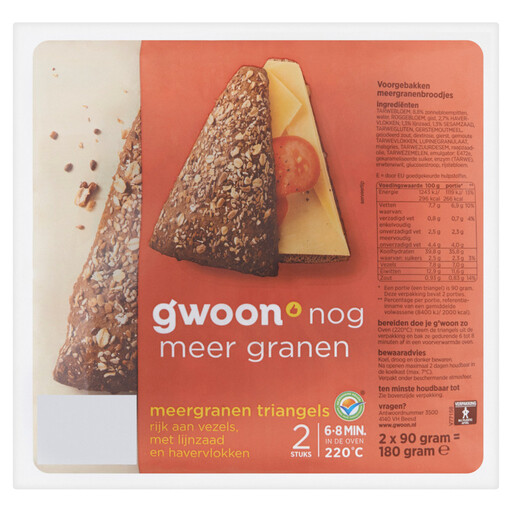
g'woon Multigrain Triangles, 180 g
For anyone who cares more about seeds than the Kaiser shape: these are multigrain triangles, not Kaiser rolls.
The ingredients list sunflower seeds, linseed and sesame; the nutritional information lists 9.4 g of fibre per 100 g.
Check the serving instructions if you want to eat them warm. If you have allergies, check the current packaging; the product information lists cereals containing gluten, lupin, milk, sesame and soya, among other things.
View on Joybuy
 No image available
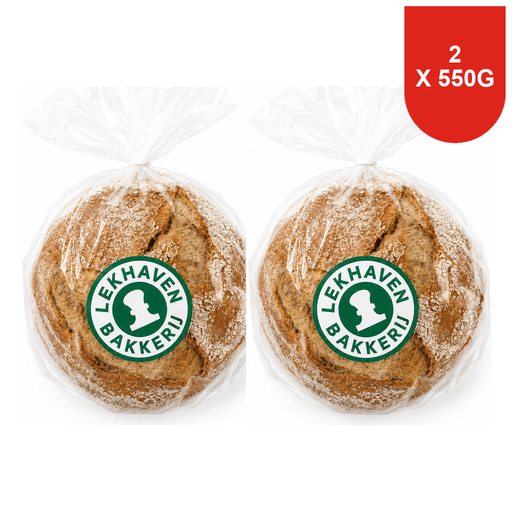
Lekhaven Bakkerij Multigrain Country Bread Round, 550 g × 2
For anyone looking for seeds in a larger round loaf and able to plan ahead; this isn’t an individual Kaiser roll.
The ingredients list sunflower seeds, linseed and sesame. The product description says to defrost for four hours, then bake for 11–13 minutes in a fan oven at 220 °C, followed by 30 minutes to cool.
Compare fibre using the nutrition table on the packaging. If you have allergies, check the current information, including details about wheat and sesame.
View on Joybuy
 No image available
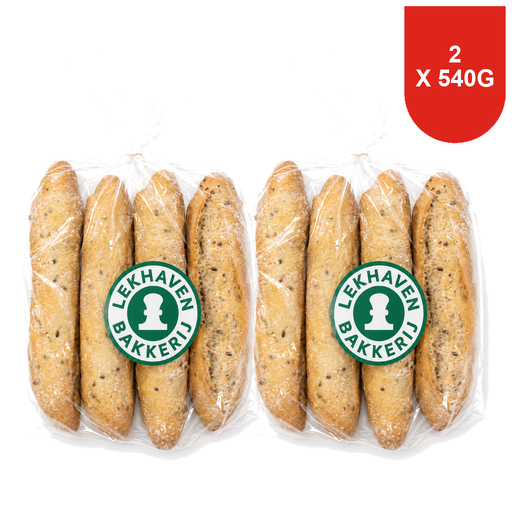
Lekhaven Bakkerij Multigrain Rustic Baguette, 4 × 135 g × 2
For anyone looking for a seeded bake-at-home product and wanting baguettes rather than Kaiser rolls.
The ingredients list sunflower seeds, sesame and linseed. Before buying, check that the pack contents match this variant name, and follow the packaging instructions for defrosting and baking.
Use the nutrition table to compare fibre, and if you have allergies, check the current information, including details about wheat and sesame.
View on Joybuy
 No image available
Lekhaven Bakkerij Multigrain Rustic Baguette, 4 × 135 g
For anyone who wants to bake seeded baguettes as an alternative to a Kaiser roll and can set aside time to defrost them first.
This variant contains four 135 g baguettes, with sunflower seeds, sesame and linseed listed in the ingredients. Follow the baking time on the current packaging and use the nutrition table to compare fibre with other products on the same basis.
If you have allergies, check the current information, including details about wheat and sesame.
View on Joybuy
Frequently asked questions
Is a multigrain roll automatically wholemeal and high in seeds?
No. According to the Netherlands Nutrition Centre, multigrain bread contains at least three types of grain; the name alone doesn’t tell you how much wholemeal flour or how many seeds it contains. Read the ingredients and compare the fibre per 100 g of the rolls you’re considering.
Where can I check the allergens in a seeded roll?
For a pre-packed roll, read the allergen information and any ‘may contain’ statements on the current label. The Netherlands Food and Consumer Product Safety Authority (NVWA) says that allergen information must appear on the label of pre-packed products. If a roll is sold loose, ask for the information before choosing.
How long does it take to bake a white Kaiser roll?
It depends on the product and preparation method. PLUS says its white bake-at-home Kaiser rolls take 6–8 minutes in an oven at 220 °C or 4 minutes in a preheated air fryer at 200 °C. For other variants, follow the instructions on the packaging.
How should I store opened bake-at-home rolls?
Follow the storage advice on the packaging. For opened bake-at-home rolls, the Netherlands Nutrition Centre’s Food Storage Guide recommends 2–4 days in the fridge or 1–3 months in the freezer. Before using them, check that the rolls are still in good condition.
Does every Dutch roll contain iodised bakers’ salt?
No. The Netherlands Nutrition Centre explains that bakers’ salt contains iodine, but using it isn’t compulsory. Check the label or ask the baker about ‘iodised salt’ or ‘bakers’ salt’ if you want to know about a specific roll.


