When choosing seeded crispbread for your university lunch, don’t just look at the seeds on the packaging. Check whether it is labelled wholegrain and compare the fibre content per 100 g. Then check the allergens, whether the size works with your toppings, and how much you want to take for several lunches. According to the Netherlands Nutrition Centre, baker’s salt is not compulsory, so you can’t tell from the product name alone whether the crispbread contains iodine.
Who are these choices relevant to?
Lunchers comparing fibre content
You’re looking for seeded crispbread and also checking whether it’s labelled wholegrain and how much fibre it contains per 100 g. According to the Netherlands Nutrition Centre, the presence of seeds alone doesn’t tell you whether a cracker is wholegrain.
Lunchers stocking up in advance
You take crispbread and your own toppings to university on several days. The pack weight, number of pieces and storage instructions can help you choose the right amount.
People who need to avoid allergens
Check your chosen variety for ingredients such as sesame and wheat, as well as any warnings about the possible presence of other allergens. Don’t rely on the brand name or product category alone.
What should you look for when choosing?
If you’re considering seeded crispbread for a university lunch, your main priority may vary: the grain base, allergens, how much you need to stock up on, or how well it pairs with your toppings.
| What to consider | What to check when buying | Who it matters to |
|---|
| Wholegrain and fibre |
Look for a wholegrain label and compare the fibre content per 100 g on the label. |
If I often take crispbread as the basis for my lunch, I want to know which grain base I’m choosing and how much fibre that variety contains. This is a priority for around 36% of consumers. |
| Allergens |
Read the ingredients and warnings for the exact variety you’ve chosen, especially for sesame and cereals containing gluten. |
If I need to avoid certain ingredients, clear and suitable allergen information comes before the flavour or texture I’d prefer. This is the first thing around 29% of consumers consider. |
| Stock and packaging |
Compare the pack weight, number of pieces and storage instructions with the number of lunches you have planned. |
For several days, I want to take enough with me without opening more than I’ll use. Around 21% of consumers prioritise this practical planning. |
| Toppings and portion size |
Choose a size and texture that work with your toppings, and decide how many pieces you want to take. |
If I put my own lunch together at university, the crispbread and toppings need to be easy to carry together. This is the main consideration for around 14% of consumers. |
Common mistakes
-
Assuming seeds mean the grain base is wholegrain
Seeded crispbread isn’t necessarily wholegrain. The fibre figures listed by Jumbo for three sesame varieties tested also range from 4.9 g to 16 g per 100 g.
Check for a wholegrain label and compare the nutrition information per 100 g for the varieties you’re considering.
-
Checking allergens only after you’ve bought it
The sesame varieties tested also list wheat or other cereals containing gluten. Warnings about the possible presence of allergens can vary from product to product.
Before buying, read the ingredients and allergen information on the packaging of the exact variety.
-
Assuming the product name tells you whether it contains iodine
According to the Netherlands Nutrition Centre, baker’s salt is not compulsory. So the words ‘seeds’ and ‘wholegrain’ don’t tell you whether crispbread contains iodine.
Check the ingredients for baker’s salt if that matters to your choice.
Brands to consider
Wasa (Wasabröd)
The sesame varieties tested differ in thickness and nutritional information, so compare the details on the specific pack.
- Jumbo lists wholemeal wheat flour, sesame and 11 g of fibre per 100 g for Wasa Sesam 250 g.
- As well as wholemeal wheat flour, that variety’s ingredients include wheat flour. Also check the allergen information for the variety you choose.
Bolletje
Rond Knäckebröd Volkoren Sesam is a specific example you can use to check the grain base and fibre information for a sesame variety.
- The Jumbo product page tested lists several wholegrains, 6% sesame and 16 g of fibre per 100 g.
- Check whether this specific variety is currently available before planning to take it for lunch.
Jumbo
Jumbo’s own-brand Knäckebröd Sesam, which was tested, is an example of a larger pack for several lunches.
- The Jumbo product page lists a 375 g pack with 9.5% sesame.
- According to Jumbo, the same variety contains wheat and sesame and may also contain mustard, rye and soya.
Crispbread and sesame crackers for lunch
These Joybuy products are sesame varieties to consider as a lunch base or with your own toppings. Bolletje Sesame Bagel Crackers are bagel crackers, not crispbread. For all varieties, check the current label if wholegrain status, nutritional values or allergens will affect your choice.
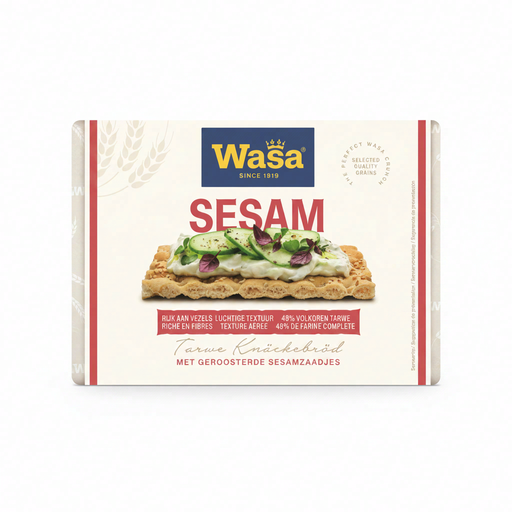 Image unavailable
Wasa Breakfast Biscuits Sesame 250 g
A sesame variety for anyone who wants to take crispbread with their own toppings. The pack states 250 g; check the wholegrain information and allergens on the current label.
View at Joybuy
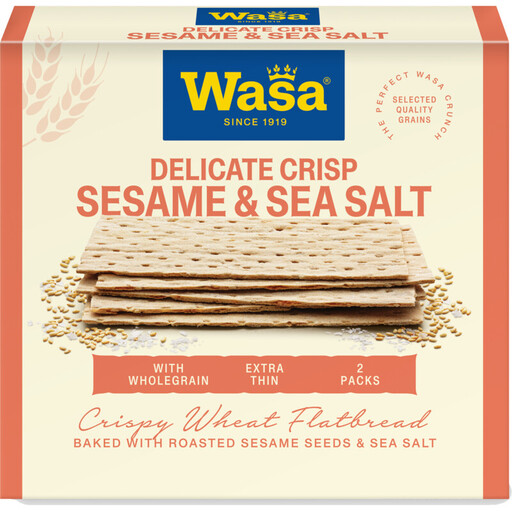 Image unavailable
Wasa Thin Crisp Sesame 190 g
A thin sesame variety for anyone looking for a different texture to go with their lunch toppings. The pack states 190 g; compare fibre and salt only after checking the units on the current label.
View at Joybuy
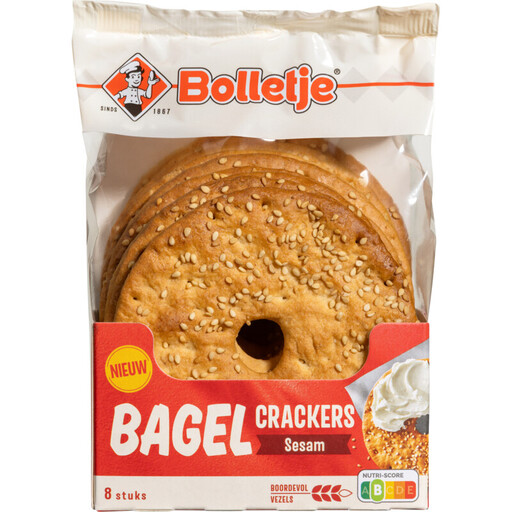 Image unavailable
Bolletje Sesame Bagel Crackers 225 g
Sesame bagel crackers to take with your own toppings if you’re specifically looking for this type of product. The pack states 225 g; check the current label for allergens and the units used in the nutritional information.
View at Joybuy
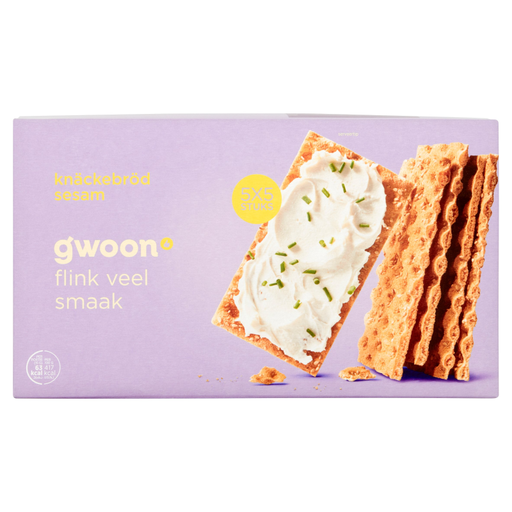 Image unavailable
g'woon Crispbread Sesame 5 pieces
Sesame crispbread for anyone considering a five-piece pack as a lunch base. Check the pack weight if you want to compare it with other packs, and check the current packaging for allergen information.
View at Joybuy
Frequently asked questions
Is sesame crispbread automatically wholegrain?
No. Sesame says nothing about the grain base. According to the Netherlands Nutrition Centre, a cracker can be called wholegrain if it is made from 100% wholemeal flour. So check the label and ingredients for the variety you choose.
Which allergens should I check in sesame crispbread?
At the very least, check the packaging of the exact variety for sesame and cereals containing gluten. Also read any warnings about the possible presence of other allergens. According to the Netherlands Food and Consumer Product Safety Authority, allergens that must be declared have to be clearly shown on the label.
Can I tell from seeded crispbread whether it contains iodine?
No, neither the name nor the presence of seeds tells you that. According to the Netherlands Nutrition Centre, baker’s salt is not compulsory. Check the ingredients if baker’s salt matters to your choice.
How can I take crispbread to university and keep it crisp?
Keep the crispbread dry and pack moist toppings separately until you’re ready to eat. Follow the storage instructions on the packaging; the Jumbo and Wasa product information reviewed advises storing the product in a cool, dry place and sealing the pack securely after opening.


