
Brunch hosts looking for a base for toppings
If you’re serving crispbread with generous sweet or savoury toppings, consider its shape and sturdiness. The seeds can also influence the flavour and texture you’re after.


For a Mother’s Day breakfast with generous toppings, start with wholegrain seeded crispbread, but check that its shape and sturdiness suit what you plan to serve on it. If you’d rather serve smaller, crunchy bites, a thin sesame variety is another option. In either case, compare the seeds, fibre, salt and allergens on the label; seeing ‘salt’ or ‘sea salt’ alone tells you nothing about whether iodine has been added.
If you’re serving crispbread with generous sweet or savoury toppings, consider its shape and sturdiness. The seeds can also influence the flavour and texture you’re after.
For you, the grain base and the fibre listed per 100 g matter more than visible seeds alone. Compare this information on the packs of the varieties you’re considering.
If you’re buying for guests, check the ingredients and allergens for each product. The varieties reviewed show that rye, wheat and sesame may all be relevant; some labels also warn that the product may contain soya or mustard.
First, choose a shape that suits your breakfast or brunch. Then compare the grain base, seeds and nutritional information for each product, especially if you’re serving others.
| What to consider | What to check when buying | Who it matters to |
|---|---|---|
| Wholegrains and fibre | Check which wholegrain ingredients are listed and compare the fibre per 100 g. | If the grain base is my priority, I want to compare that without relying on visible seeds. For around 31% of consumers, wholegrain and fibre information is the deciding factor. |
| Seeds and allergens | Read the ingredients, allergens and any warnings about the possible presence of other allergens. | When I’m buying for a guest, I need to know which grains and seeds the product contains. For around 31% of consumers, this check matters most. |
| Shape and toppings | Look at the shape and thickness, then choose toppings to suit the crispbread. | For a brunch, I want to decide whether to serve generously topped pieces or small, crunchy bites. The presentation is the main consideration for around 23% of consumers. |
| Salt and iodine | Compare the salt per 100 g and, if iodine is relevant to your choice, check whether the label mentions iodised baker’s salt. | I want to compare salt levels without assuming that ‘sea salt’ tells me anything about the iodine content. For around 15% of consumers, this label check comes first. |
The types and quantities of seeds vary between products. For Leksands Seeds & Sea Salt, Albert Heijn lists linseed, millet seed and rapeseed; Ryvita describes Multigrain as a blend of seeds and grains.
Compare the ingredients and, where listed, the percentages of seeds. Check fibre and salt separately per 100 g.
According to the Voedingscentrum, using baker’s salt in bread is not compulsory. So, seeing ‘salt’ or ‘sea salt’ on a crispbread label doesn’t tell you whether iodised baker’s salt has been used.
If iodine is relevant to your choice, check the exact salt information on the pack.
Seeded varieties may also contain cereals containing gluten or sesame. For Leksands Seeds & Sea Salt, Albert Heijn also warns that the product may contain soya and mustard.
If you’re buying for guests with an allergy or coeliac disease, always check the latest ingredient and allergen information for the specific product.
Wasa’s Dutch range includes Sesame as well as several rye and wholegrain varieties.
The Seeds & Sea Salt variety described by Albert Heijn combines wholegrain rye with linseed, millet seed and rapeseed.
Its range includes own-brand crispbread varieties with ingredients such as pumpkin seeds, sunflower seeds and sesame.
Round Crispbread Dark Sesame is an example to consider if you’re also looking at shape and seed mix.
Ryvita’s range includes Multigrain and Pumpkin Seed & Oat, with different combinations of grains and seeds.
These products include crispbread and products described as rusks. For a Mother’s Day breakfast, focus on the difference between a base for toppings and a smaller crunchy bite, and check the ingredients on each pack.
 No image available
Wholegrain crispbread to consider if the grain base is your priority at breakfast. Check the latest packaging for seeds, allergens and the nutritional information you want to compare.
 No image available
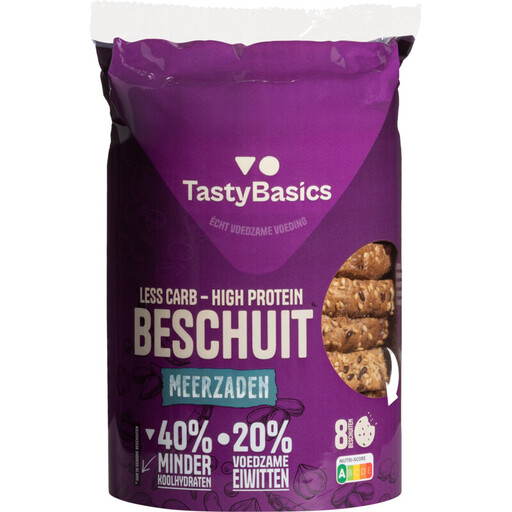
A multiseed option described as rusks, if you’d like to serve a range of seeds. Check the shape, ingredients and allergens before deciding which toppings to serve with it.
 No image available
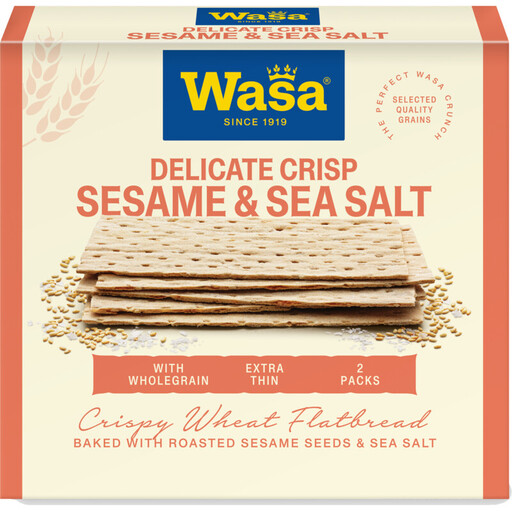
A thin sesame variety to consider if you’re serving smaller topped bites. Don’t assume it will stand up to generous toppings, and check the latest allergen and nutritional information.
 No image available
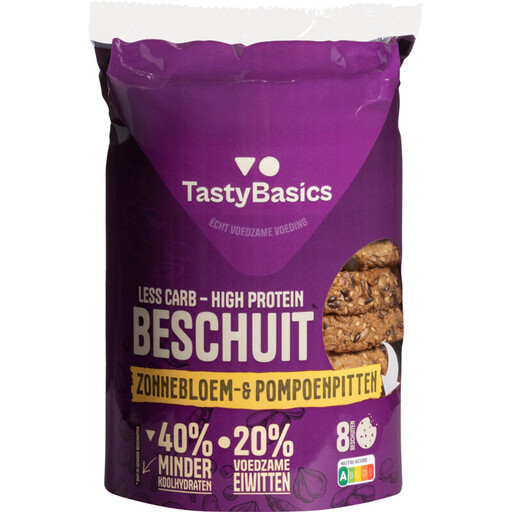
An option described as rusks with sunflower seeds, for anyone looking to compare a different seed variety. Check the other ingredients, allergens and size before choosing your toppings.
No. The presence of seeds or salt doesn’t confirm that iodine has been added. According to the Voedingscentrum, using baker’s salt in bread is not compulsory; check the label to see whether iodised baker’s salt is listed for the product you’ve chosen.
Check the full allergen information for the specific crispbread, including any mention of sesame and cereals containing gluten. For Leksands Seeds & Sea Salt, Albert Heijn lists rye and warns that the product may contain soya and mustard; this information doesn’t automatically apply to other varieties.
Ideally, add the toppings just before serving to keep the crispbread crunchy. Until then, store it as directed on the pack; the product information for Bolletje Round Crispbread Dark Sesame says to store it in a dry, well-sealed place.
No. Seeds alone don’t determine which variety is right for your breakfast. Compare the wholegrain ingredients, fibre and salt per 100 g, then choose a seed mix and shape that suit your guests and toppings.