
Parents comparing wholegrains and fibre
What matters to them is which grains are actually in the base and how much fibre the nutritional information lists per 100 g. Seeds on the outside won’t answer those questions.


Choose seeded crispbread as a change from your toddler’s usual breakfast if they can chew its crunchy texture comfortably. If they’re still finding it difficult, a softer wholemeal option may be more suitable. Check the grain base, allergens and salt content, not just the amount of seeds. The Netherlands Nutrition Centre advises that toddlers should eat sitting down, with an adult nearby.
What matters to them is which grains are actually in the base and how much fibre the nutritional information lists per 100 g. Seeds on the outside won’t answer those questions.
Before packing a snack, they’ll want to check the current allergen information, including details of cereals containing gluten and sesame. They should also ask the school or childcare setting about its requirements.
With a hard cracker, it’s your toddler’s ability to chew that determines whether the texture is suitable. The Netherlands Nutrition Centre advises staying close while a child eats. Serve the cracker with your child sitting down, and break it into smaller pieces if needed.
Start with what your toddler can chew and any allergies they have. Then compare the grain base and nutritional information of the products you’re considering.
| What to consider | What to check when buying | Who is this most important for? |
|---|---|---|
| Wholegrain base and fibre | Check which grains or types of flour are listed in the ingredients and compare the fibre per 100 g of similar products. | I want to be able to see whether the grain base is wholegrain when choosing breakfast for my toddler, rather than relying on visible seeds. For around 42% of consumers, wholegrains and fibre would be the main priority. |
| Allergens and childcare requirements | Check the latest allergen information and ask the school or childcare setting about its rules on bringing in and sharing food. | If I’m packing breakfast for childcare, it needs to meet the requirements there and take account of any allergies. For around 33% of consumers, this would be their main concern when buying. |
| Texture and salt | Consider whether your child can chew the cracker comfortably. Also compare the salt per 100 g and think about the toppings. | I’ll only give my toddler a hard cracker if they can chew it comfortably, and I’ll consider the salt content of the whole breakfast. For around 25% of consumers, serving something suitable while keeping salt in mind would be the main priority. |
A coating of sesame or other seeds doesn’t tell you which types of flour have been used. According to the Netherlands Food and Consumer Product Safety Authority, a food can only be described as wholegrain if its grain ingredient consists entirely of wholemeal flour.
Check for a wholegrain description and read the ingredients list. Don’t rely on the colour or visible grains alone.
Seeded crispbread may also contain cereals with gluten and sesame. The allergens in one product won’t necessarily be the same as those in another version.
Read the latest packaging before serving and take account of relevant allergies and childcare requirements when packing food.
A crunchy texture won’t suit every toddler at the same stage, and larger pieces can be harder to chew.
Make sure your child is sitting down to eat, stay nearby and break the cracker into smaller pieces if needed. Choose something softer if they’re still finding it hard to chew.
Toppings also contribute to the salt content of breakfast. The Netherlands Nutrition Centre advises limiting foods high in salt for children under four.
Compare the salt per 100 g on the label and take the toppings into account when choosing.
Wasa Sesam is a sesame crispbread for anyone comparing grain bases and ingredients.
There are several sesame and wholegrain options in the range. Check the product name and packaging before comparing nutritional information.
ALDI Netherlands describes Robuust knäckebröd as a wholegrain product available in two seeded varieties.
Ryvita Multi-Seed Thins is a different type of product to consider if you’re looking for thin crackers with mixed seeds.
This selection includes crispbread and sesame crackers for anyone considering a crunchy breakfast option. The Bolletje bagel cracker is a different type of cracker, not traditional crispbread. For each product, consider whether its texture is right for your toddler and check the latest packaging.
 No image available
A crunchy option to consider for breakfast, as long as your child can chew it comfortably. Check the grain base and allergens on the latest packaging.
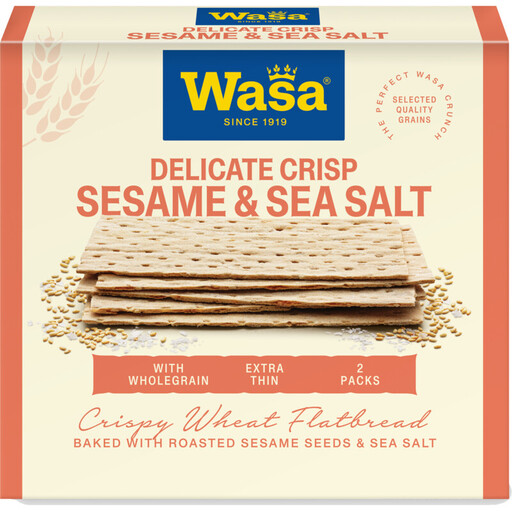 No image available
A thin sesame cracker to consider as a breakfast option if your toddler can manage its crunchy texture. Read the ingredients and compare the salt content on the packaging.
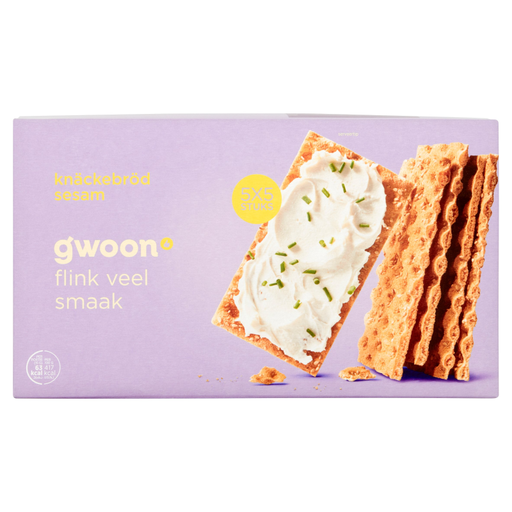 No image available
A sesame cracker to compare if you’re looking for a pack of five. Consider your toddler’s ability to chew when serving it, and check the latest label if they have allergies.
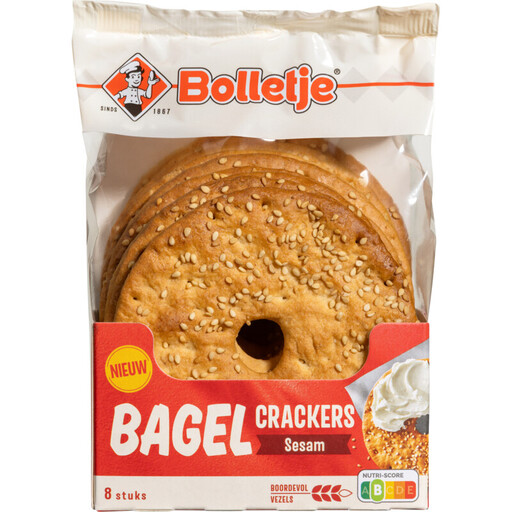 No image available
A sesame bagel cracker to consider as a breakfast option. It isn’t the same type of product as traditional crispbread. Only serve a crunchy cracker if your child can chew it comfortably, while they’re sitting down and with you nearby.
Not necessarily. The Netherlands Nutrition Centre recommends bread for breakfast and lunch for children aged one to three. So, consider a crispbread breakfast as part of what your child eats throughout the day, rather than focusing on the seeds alone.
Yes. As well as sesame, check which grains are in the specific product. The Wasa Sesam described by Jumbo contains wheat; Bolletje Rond Knäckebröd Volkoren Sesam contains wheat, rye and barley, among other ingredients. If your child has allergies, always read the latest packaging.
As the Netherlands Nutrition Centre advises, make sure your child is sitting down and stay nearby while they eat. Break the cracker into smaller pieces if needed, and choose a softer product if they’re still finding it hard to chew.
No, don’t assume it does without checking. The Netherlands Nutrition Centre says that bakers in the Netherlands aren’t required to use iodised baker’s salt. Check the ingredients list for the specific product.