
Students looking to increase their fibre intake
You’re looking for crispbread as a base for breakfast or lunch, and want to compare the grain base, fibre and salt content per 100 g.


Choose wholegrain rye crispbread with seeds if you want a substantial cracker and are looking to increase your fibre intake. Choose a sesame variety if you prefer a lighter cracker. If you need a gluten-free product, look for a pack that is explicitly labelled as such: a gluten-free seeded cracker is not automatically the same product as rye crispbread. When doing your first food shop, also compare the grain base, nutritional information, allergens and storage instructions on the label.
You’re looking for crispbread as a base for breakfast or lunch, and want to compare the grain base, fibre and salt content per 100 g.
Texture and flavour matter to you, and you’re looking for something different from a substantial rye variety. When comparing options, also check how to store the pack once opened.
You’re looking for a pack that is explicitly labelled gluten-free, and you also check the ingredients and allergens, such as sesame, oats and egg.
First, decide whether you need a gluten-free product. Then compare the grain base and texture you enjoy, so your first shop is practical for breakfast or lunch too.
| What to consider | What to check when buying | Who it matters to |
|---|---|---|
| Wholegrains and fibre | Check which grains are used and compare the fibre and salt content per 100 g. | For my usual lunch, I want to know how much wholegrain and fibre the crispbread contains, even if it has seeds on top. For around 45% of consumers, the choice of grain and fibre comes first. |
| Flavour and storage | Compare the type of seeds, texture and storage instructions for once the pack is open. | In my new student room, I want a cracker I enjoy eating and a pack I can seal properly. For around 33% of consumers, flavour, texture and a practical supply are the top priorities. |
| Gluten and allergens | Read the current ingredients and allergen information; if you need a gluten-free product, look for an explicit claim. | If I need to avoid gluten or a particular ingredient, the product has to meet that need before flavour comes into it. For around 22% of consumers, checking for gluten and other allergens comes first. |
Seeds on the front of the pack don’t tell you how much wholegrain or fibre a product contains. According to Albert Heijn’s product information, Leksands Seeds & Sea Salt contains 16 g of fibre per 100 g, while Wasa Sesame contains 11 g per 100 g.
Read the ingredients list and compare the fibre per 100 g in the varieties you’re considering.
You can’t tell from the type of product whether baker’s salt has been used. The Netherlands Nutrition Centre advises checking the label.
If baker’s salt matters to you, check the ingredients rather than assuming it is used in crispbread.
The Leksands and Wasa varieties described by Albert Heijn contain gluten; Wasa Sesame also contains sesame. Albert Heijn’s gluten-free seeded crackers contain oats, egg and sesame, among other ingredients.
Before buying, read the current allergen information and any ‘may contain’ statements on the pack.
Seeds & Sea Salt crispbread is worth considering if you’re looking for a substantial rye cracker with a mix of seeds.
Wasa Sesame is a wheat crispbread to compare if you’re looking for sesame and a lighter texture.
As well as crispbread, Albert Heijn offers a gluten-free seeded cracker. This is a different type of product from classic rye crispbread.
Multiseed Breakfast Crackers are an alternative to compare with crispbread if you’re looking for seeded crackers for breakfast.
Ryvita’s UK range includes Sesame Crispbread and Multigrain Crispbread. Compare the details of the variety you actually intend to buy.
These products are options for comparing sesame and wholegrain crispbread for breakfast or lunch. Check the nutritional information and allergens that matter to you on each pack.
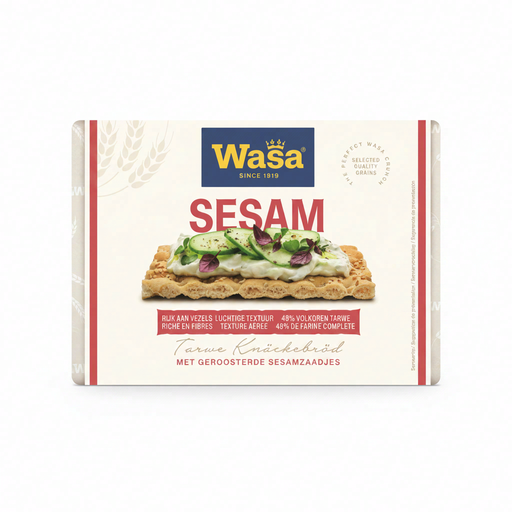 No image available
A sesame variety to consider if you’re looking for something for breakfast and want to compare its texture with other crispbreads.
If you have allergies, check the current label for wheat, sesame and any milk. Compare the fibre and salt per 100 g on the pack.
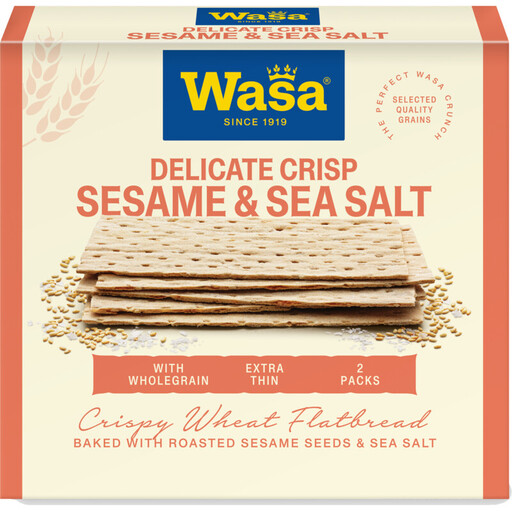 No image available
A thin sesame cracker to compare if crispness matters more to you than a substantial rye base.
If you have allergies, check the label for wheat, barley, gluten, sesame and any milk. Check the nutritional information per 100 g if fibre or salt will influence your choice.
 No image available
An option for breakfast or lunch if you’re looking for a wholegrain base. Check the ingredients list to see which seeds it contains and how much of each is included.
If you have allergies, check the current label for wheat, rye, barley, gluten, sesame and any lupin.
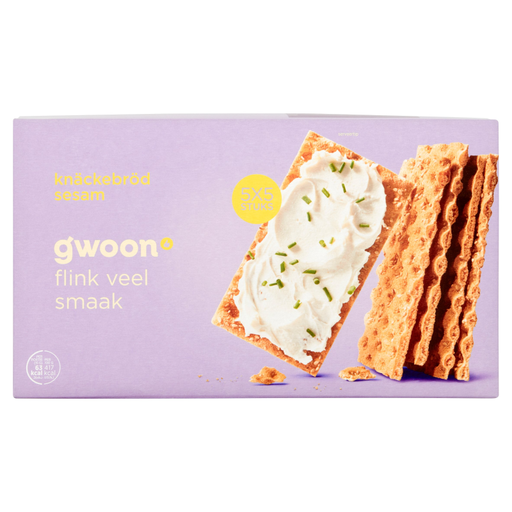 No image available
A sesame variety to compare if you’re looking for crispbread for a light meal or a snack.
Check the nutritional information if the grain base and fibre are deciding factors for you. If you have allergies, check the label for wheat, sesame and any soya.
No, you can’t tell from the type of product. The Netherlands Nutrition Centre recommends checking the label to see whether baker’s salt has been used, so check the pack of the crispbread you buy.
Compare the grain base and fibre per 100 g, not just the visible seeds. According to Albert Heijn, Leksands Seeds & Sea Salt contains 16 g of fibre per 100 g, while Wasa Sesame contains 11 g per 100 g; these are still different varieties, with their own ingredients and allergens.
No, look for a product that is explicitly labelled gluten-free and check the other allergens too. For example, according to Albert Heijn, AH Gluten-free Seeded Crackers contain oats, egg and sesame; ordinary rye or wheat crispbread is not an equivalent gluten-free alternative.
Follow the storage instructions on the pack and seal it well after opening. For Bolletje Multiseed Breakfast Crackers, Albert Heijn advises storing them in a cool, dry place in a sealed pack.