What should you look for when choosing?
Start by checking the ingredients, allergens and school rules. Then compare wholegrain content and nutrition information, and choose a texture and pack size that suit your lunch routine.
| What to consider |
What to check when buying |
Who does this matter to? |
| Allergens and school rules |
Read the current ingredients, allergens and warnings on the packaging. Also check your school or after-school care arrangements. |
If my child needs to avoid sesame or gluten-containing grains, I want to know before packing whether the product and lunch meet the requirements. Around 36% of consumers put this check first. |
| Wholegrains, fibre and salt |
Check which grains are listed as wholegrain, and compare fibre and salt per 100 g. Factor in the topping too. |
For a regular school lunch, I want to be able to identify a wholegrain base and compare the nutrition information of different products. This is the main concern for around 29% of consumers. |
| Texture and ease of eating |
Try a thin or firm variety at home with the topping you plan to use. See whether it’s still enjoyable to eat after the usual time in a lunchbox. |
My child might leave very firm or crumbly crispbread uneaten, so I want to try the combination first. Around 21% of consumers prioritise ease of eating. |
| Packaging and routine |
Check whether the quantity suits how often you use the product, and check the packaging and current range when you buy it. |
If I pack school lunches regularly, I want to buy a suitable quantity without relying on outdated product information. This is the main concern for around 14% of consumers. |
Joybuy products for this lunch choice
These products offer different types of crunchy bread with seeds or sesame, from crispbread to rusks and a filled sandwich snack. Compare the product type and pack with what you’re looking for in a school lunch, and always check the ingredients and allergens on the packaging.
 No image available
Bolletje Whole Grain Crispbread 265 g
An option if you’re looking for wholegrain crispbread for lunch. If you want a seeded variety, check which seeds are listed on the current packaging and whether the ingredients are suitable for any allergies.
Pack size: 265 g.
View at Joybuy
 No image available
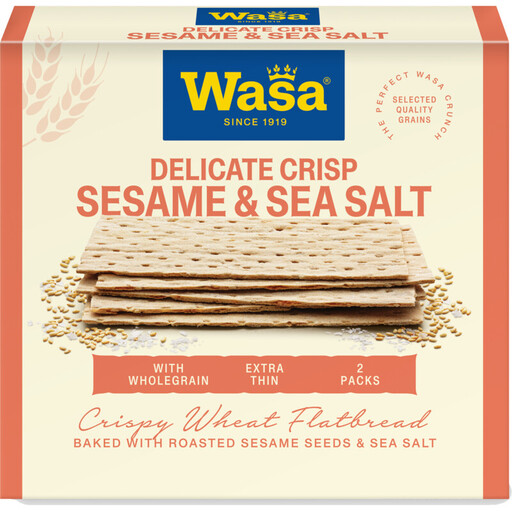
Wasa Thin Crisp Sesame 190 g
A thin sesame variety to try at home with the topping you plan to use for lunch. Don’t choose a sesame product if sesame needs to be avoided, and check the other allergen information too.
Pack size: 190 g.
View at Joybuy
 No image available
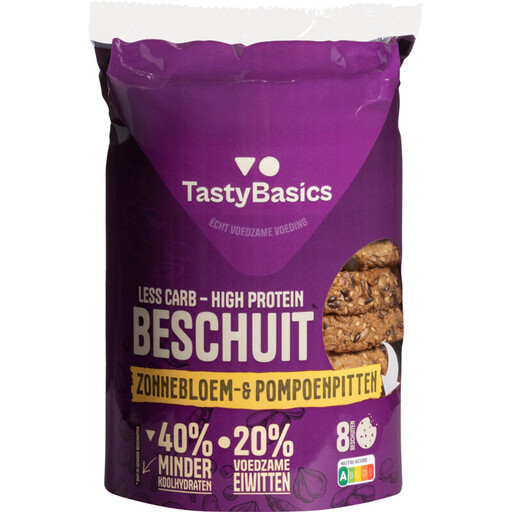
TastyBasics Rusks Sunflower Seed 8 pieces
A sunflower-seed rusk to consider if this type of product suits your lunch. Rusks aren’t the same as regular crispbread, so try the texture and check the latest allergen information.
Pack size: 8 pieces.
View at Joybuy
 No image available
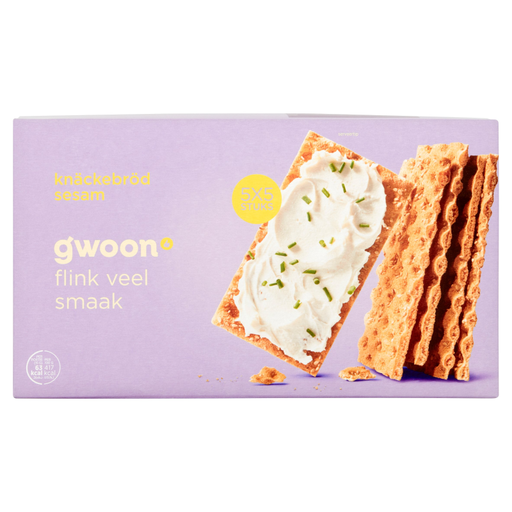
g'woon Crispbread Sesame 5 pieces
A sesame variety if you’d like to try a smaller pack. Before comparing it with other crispbread products, check the latest ingredients, wholegrain content and nutrition information.
Pack size: 5 pieces.
View at Joybuy
 No image available
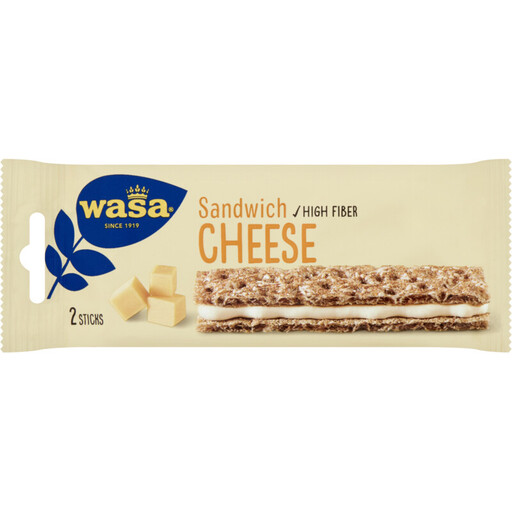
Wasa Cheese Sandwich 3 x 31 g
A filled sandwich snack for anyone considering a ready-to-eat product, rather than plain crispbread to top yourself. Check the ingredients, allergens and school rules for the whole snack, including the filling.
Pack size: 3 x 31 g.
View at Joybuy
Frequently asked questions
Is seeded crispbread suitable for a school lunch?
Yes, wholegrain crispbread can be part of a varied school lunch; the Netherlands Nutrition Centre lists it as an option for school. Don’t choose based on the presence of seeds alone: check the ingredients and topping, and consider what your child enjoys eating.
When should I check crispbread for gluten and sesame?
Before packing lunch, check for gluten-containing grains and sesame if your child needs to avoid them or if your school or after-school care has rules about them. The Netherlands Food and Consumer Product Safety Authority says that allergens which must be declared need to be clearly shown on the label. Also read any warnings about possible cross-contamination on the current packaging.
Does salt on the label mean crispbread contains iodine?
No. The word ‘salt’ doesn’t mean that iodised salt was used. The Netherlands Nutrition Centre says that baking with baker’s salt isn’t compulsory, so check the ingredients of the specific product.
How can I pack crispbread without it going soft or breaking?
Pack the crispbread dry and try taking moist or heavy toppings separately. Test the combination at home after roughly the same amount of time it would spend in a lunchbox, so you can see whether the texture works for your child.


