When choosing seeded crispbread for school lunches, don’t rely on the front of the pack alone: compare the grain base, seeds, fibre and salt per 100 g. If allergies are a concern, check the current ingredients list and any ‘may contain’ warnings, and bear in mind the school’s policy. It’s best to try the crispbread with the chosen topping before the new school term starts, to see whether it’s enjoyable to eat.
Who is this choice important for?
Parents who need to check allergens and school policies
The type of grain, sesame and ‘may contain’ warnings can vary between seeded crispbreads. Read the pack of the product you plan to put in your child’s lunchbox, and check it against the arrangements in place for your child and their school.
Families who want to compare nutritional information
If you’re looking for a wholegrain base, check the ingredients list and compare fibre and salt per 100 g. The words ‘with seeds’ don’t tell you which grains have been used or how much fibre the product contains.
Pupils for whom taste and toppings matter
Thin sesame crispbread and crispbread with mixed seeds can feel different to eat. Try the product with the topping you intend to use before making it a regular lunchbox choice.
What should you look for when choosing?
For a school lunch, start with the ingredients and allergens. Then compare the nutritional information and check whether the texture works with the topping.
| What to consider |
What to check when buying |
Who is this most important for? |
| Allergens and school policies |
Check the current ingredients list for cereals containing gluten and sesame, as well as any ‘may contain’ warnings. Check the school’s policy too. |
If a child needs to avoid certain ingredients, I want to know whether this exact pack meets the arrangements in place. Around 42% of consumers put this allergen and policy check first. |
| Wholegrain base, fibre and salt |
Check which grains appear first in the ingredients list. Compare the fibre and salt in similar products per 100 g. |
For a school lunch, I want a recognisable grain base and nutritional information I can compare fairly. This is the main consideration for around 33% of consumers. |
| Taste and use in a lunchbox |
Consider the type of seed and the thickness, and try the crispbread beforehand with the topping that will go to school. |
The crispbread needs to be enjoyable for my child to eat, even with the chosen topping. This practical consideration comes first for around 25% of consumers. |
Common mistakes
-
Assuming ‘with seeds’ means there are no relevant allergens
The varieties reviewed show that rye and sesame may be present, alongside product-specific ‘may contain’ warnings for other allergens.
Check the current pack of the variety you’ve chosen and compare it with the arrangements in place for your child and their school. According to the Netherlands Food and Consumer Product Safety Authority, allergens that must be declared need to be clearly listed in the ingredients.
-
Comparing fibre and salt per piece only
A serving or crispbread piece won’t necessarily be the same size across different products. This means that per-piece values don’t provide a like-for-like comparison.
First compare the nutritional information per 100 g, as the Netherlands Nutrition Centre also advises when comparing labels. Then consider how much crispbread and topping will actually go in the lunchbox.
-
Assuming that crispbread with salt also contains baker’s salt
According to the Netherlands Nutrition Centre, using baker’s salt is not compulsory. So ‘salt’ or ‘sea salt’ in an ingredients list doesn’t mean that iodised baker’s salt has been used.
If you want to know which type of salt a specific product contains, check the pack or ask the manufacturer. Don’t infer this from the product category.
-
Finding out on the first day of school that your child doesn’t like the texture
The type of seed and thickness affect how crispbread feels to eat. A variety your child enjoys at home without a topping may not work as well with the planned lunch topping.
Before school starts, let your child try a small amount with that topping and choose a suitable variety based on their reaction.
Brands to consider
The details below apply to the specific varieties mentioned, not automatically to every product from each brand. Always check the label on the pack you choose when buying.
Leksands
Leksands Seeds & Sea Salt is an option if you’re looking for wholegrain rye with a variety of seeds.
- Product information from Jumbo and Albert Heijn lists wholemeal rye flour as the first ingredient, along with brown linseed, millet seed and roasted rapeseed, each at 4%.
- This variety contains rye. If allergens are a concern, also check the current pack for any ‘may contain’ warnings.
Wasa
Wasa Thin Rye Wholegrain is a specific thin rye variety with sesame; it is not the same product as the Wasa sesame varieties mentioned below.
- According to Wasa’s product information, Thin Rye Wholegrain contains wholegrain rye and sesame. Wasa lists 21 g of fibre and 1.0 g of salt per 100 g.
- This variety contains rye and sesame and may contain traces of milk. If you have allergies, check the label on the pack.
Ryvita
Ryvita Multigrain Crispbread is a seeded multigrain variety worth comparing if that’s the combination you’re looking for.
- Ryvita’s UK product information lists 18% toasted seeds and grains, including buckwheat, brown linseed, sesame and rye.
- The UK product information doesn’t tell you which pack you’ll find in the Netherlands. Before buying, check the local ingredients and allergen information.
Lidl
Lidl Netherlands lists crispbread varieties with sunflower seeds and pumpkin seeds if you’re looking for seeds other than sesame.
- Lidl Netherlands’ product page lists both seeded varieties in a 264 g pack.
- Check the ingredients, allergens and nutritional information on the pack of the variety you buy.
Crispbread and sesame options at Joybuy
These products include a wholegrain crispbread option and several crunchy sesame varieties to consider for a school lunch. Check the current pack if the grain base, allergens or nutritional values will influence your choice.
 Image unavailable
Bolletje Whole Grain Crispbread, 265 g
Worth considering if a wholegrain crispbread is top of your list for a school lunch. Check the pack to see which grains and allergens apply to this variety.
View at Joybuy
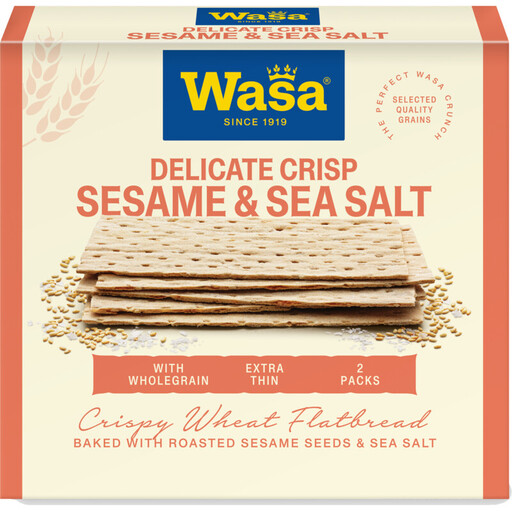 Image unavailable
Wasa Thin Crisp Sesame, 190 g
This thin sesame variety may be a good fit if your child enjoys its texture with the chosen topping. Before packing it, check the current allergen information and compare fibre and salt per 100 g if these matter to your choice.
View at Joybuy
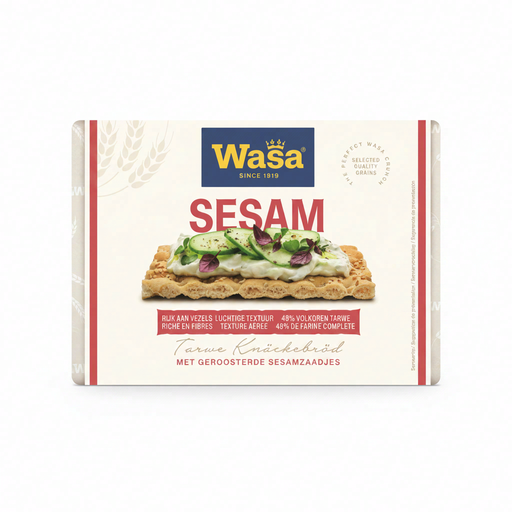 Image unavailable
Wasa Breakfast Biscuits Sesame, 250 g
A sesame variety to try with the planned lunch topping. If you’re looking for a fully wholegrain base, don’t rely on the product name: check the ingredients list on the pack.
View at Joybuy
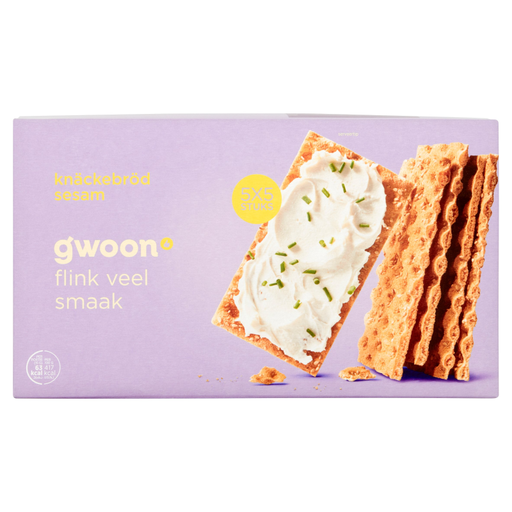 Image unavailable
g'woon Crispbread Sesame, 5 pieces
This pack of five sesame crackers is an option if you’d like to see whether the taste and texture go down well first. Before packing them for school, check the grain base and allergens on the current pack.
View at Joybuy
Frequently asked questions
Is seeded crispbread automatically gluten-free?
No. According to product information from Jumbo, Leksands Seeds & Sea Salt contains wholemeal rye flour; Wasa Thin Rye Wholegrain also contains rye. If gluten needs to be avoided, check the current pack of the specific variety rather than relying on the words ‘with seeds’.
Is the front of the pack enough to identify sesame?
No. Read the ingredients list and any ‘may contain’ warnings on the product you’re buying. The Netherlands Food and Consumer Product Safety Authority says that allergens which must be declared need to be clearly listed in the ingredients.
Does sea salt in crispbread mean it contains baker’s salt?
No. According to the Netherlands Nutrition Centre, using baker’s salt is not compulsory. Check the label or ask the manufacturer which type of salt has been used in the variety you’ve chosen.
How can I keep crispbread crunchy for a school lunch?
Store it according to the instructions on the pack; Leksands’ product information recommends keeping it in a cool, dry place away from light. If keeping it crunchy matters, try packing moist toppings separately or adding them shortly before it’s time to eat.


